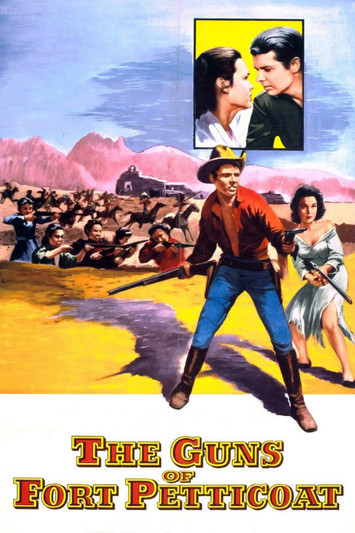
The Guns of Fort Petticoat
1957
No user ratings available yet
Representation score: 0.9 out of 10
Representation Score
Minimal
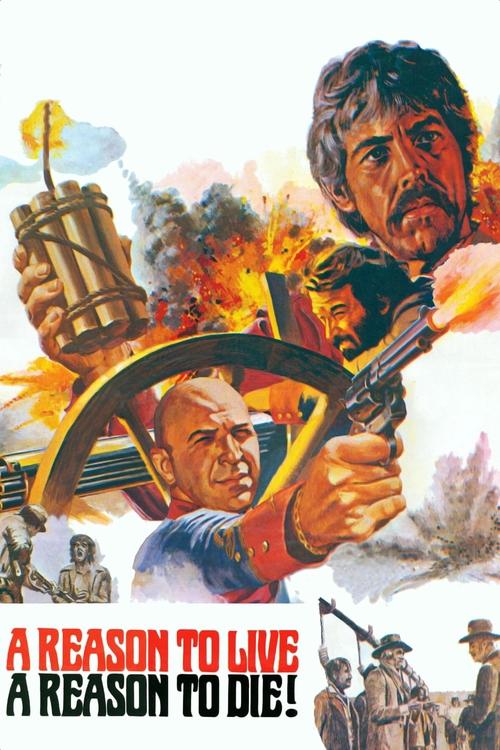
1972
PGDirector
Tonino Valerii
Runtime
92 minutes
Average Rating
No ratings yetNew Showbiz Analysis
A Reason to Live, a Reason to Die is a conventional Spaghetti Western that aligns with the social hierarchies of its era. The narrative centers on traditional masculine archetypes and the backdrop of the American Civil War. While the film critiques institutional authority through themes of vigilantism and personal retribution, it does not challenge identity-based hierarchies. The demographic focus remains narrow, adhering to the genre's standard clichés.
Category Breakdown
The film follows the straight-centered conventions typical of 1970s Spaghetti Westerns. It does not include any non-cisgender identities or same-sex relationships.
Male characters dominate the narrative, holding nearly all the power and driving the plot. Female characters have limited roles and rarely influence the storyline.
The cast is primarily white, reflecting the production standards of the time. The film does not feature diverse ethnic casting.
The film presents a cynical view of traditional institutions and military structures. It delves into moral relativism through a protagonist motivated by personal vendetta.
There are no characters with visible or invisible disabilities, nor are there any neurodivergent or physically disabled individuals featured in central roles.
Present on Screen
Limited or Absent
Official Synopsis
A dishonored Union Army officer leads a group of convicts to retake Fort Holman from the Confederate Army.
1957

1976
1953
1965
1971

1976

1967
1968
No reviews yet. Be the first to share your thoughts on this movie!
Use the rating form above to leave a star rating and optional review.