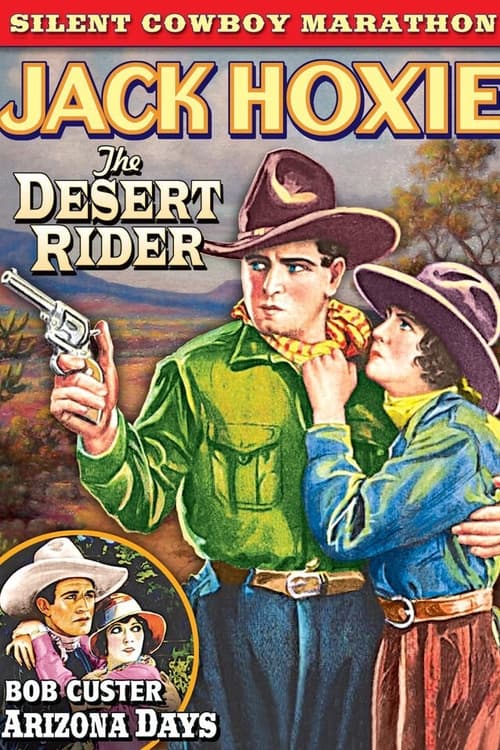
The Desert Rider
1929
No user ratings available yet
Representation score: 1.4 out of 10
Representation Score
Minimal
1932
PassedDirector
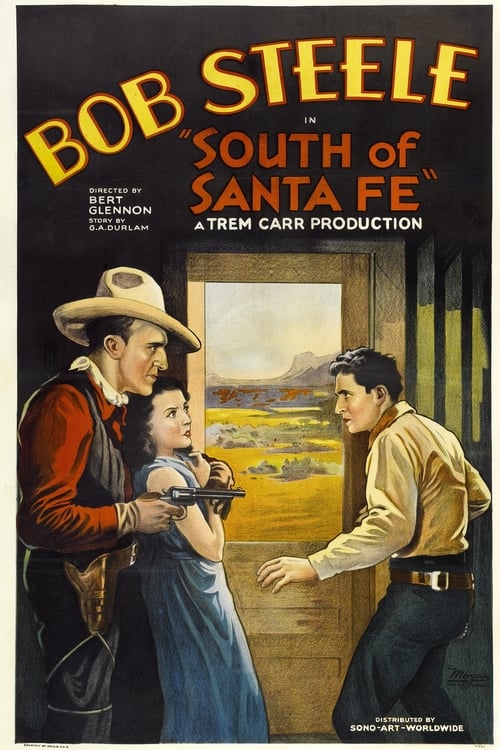
Bert Glennon
Runtime
60 minutes
Average Rating
No ratings yetNew Showbiz Analysis
South of Santa Fe follows a traditional Western narrative structure focused on a gold mine conflict and property disputes. The plot revolves around a map, a death, and a pursuit, adhering to conventional adventure frameworks. The film reinforces traditional hierarchies of gender and ability to act. Female characters are portrayed as catalysts for male protagonists rather than independent actors. Overall, the work reflects the cinematic conventions of the early 1930s. It prioritizes established genre clichés and lacks complexity in representing diverse identities.
Category Breakdown
The film does not include any characters with non-binary gender identities or same-sex relationships. It portrays heterosexual relationships typical of 1930s Westerns.
Beth is shown as a character who needs help rather than someone who can act independently. This portrayal aligns with traditional roles where women are catalysts for male action.
The story centers on a conflict between specific named individuals over gold. It suggests a conventional Western setting historically dominated by Anglo-Saxon protagonists.
The story is driven by individualist pursuits and traditional treasure hunt motifs. It reinforces standard notions of frontier adventure and individual merit without challenging Western institutions.
There are no characters with visible or invisible disabilities mentioned in the narrative.
Present on Screen
Limited or Absent
Official Synopsis
Stone kills Thorton but only gets one half of the map to Thorton's gold mine. Tom arrives and, trying to help Thorton's daughter Beth, sets out after Stone and the half of the map.
1929
1962
1939
1937
1934
1925
1936
1935
No reviews yet. Be the first to share your thoughts on this movie!
Use the rating form above to leave a star rating and optional review.