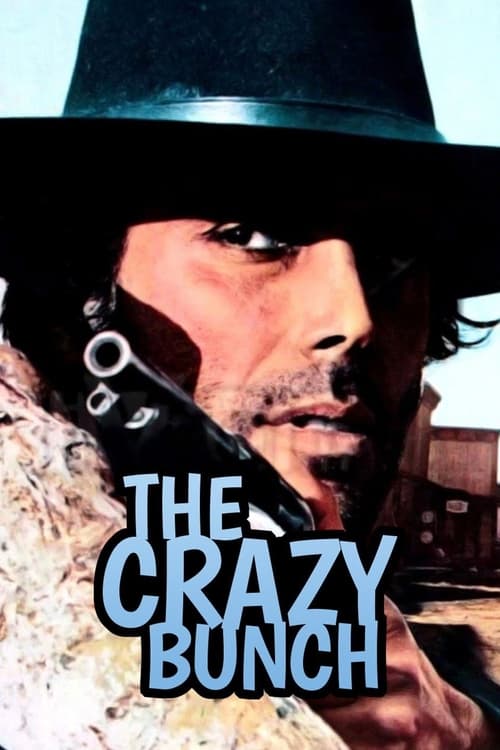
The Crazy Bunch
1974
No user ratings available yet
Representation score: 3.3 out of 10
Representation Score
Minimal
1973
Director
Giuliano Carnimeo
Runtime
87 minutes
Average Rating
No ratings yetNew Showbiz Analysis
This Spaghetti Western functions as a quintessential genre exercise, prioritizing stylized action and traditional archetypes over social complexity. The narrative structure is built upon established masculine clichés and conventional social hierarchies, offering little room for diverse perspectives. The film reinforces the classic Western mythos by focusing on individualist ability to act and personal retribution. It does not attempt to disrupt traditional power dynamics or provide nuanced depictions of underrepresented identities, instead leaning into the standard clichés of the era.
Category Breakdown
The film operates within a strictly straight-centered framework. There is no presence of non-binary identities or same-sex intimacy.
Narrative ability to act is almost exclusively reserved for male combatants. Female characters occupy secondary roles that do not challenge masculine leadership.
The cast adheres to conventional Eurocentric depictions of the Old West. It lacks significant racial complexity or ethnic diversity.
The story emphasizes individualist survival and superhuman hero clichés. It avoids critiques of Western institutions like religion or capitalism.
There is no representation of visible or invisible disabilities. Characters are defined solely by their physical combat readiness.
Present on Screen
Limited or Absent
Official Synopsis
A gunman and his sheriff companion are hired to deliver a million dollars in gold by traveling through gang-infested lands, while in disguise.
1974
1981
1972
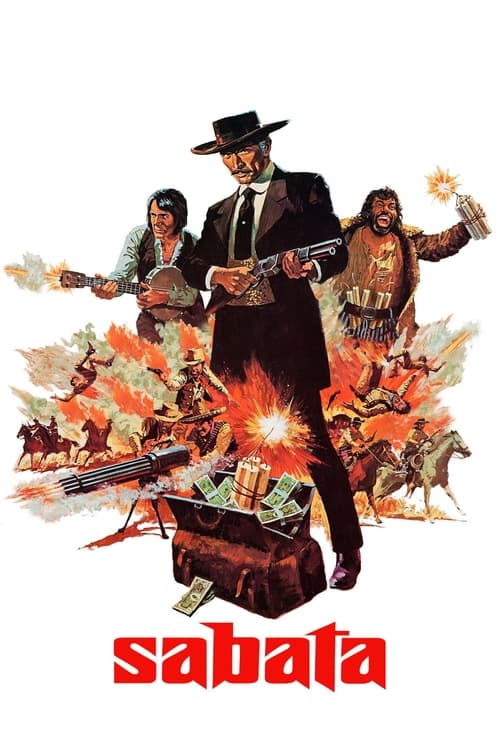
1969
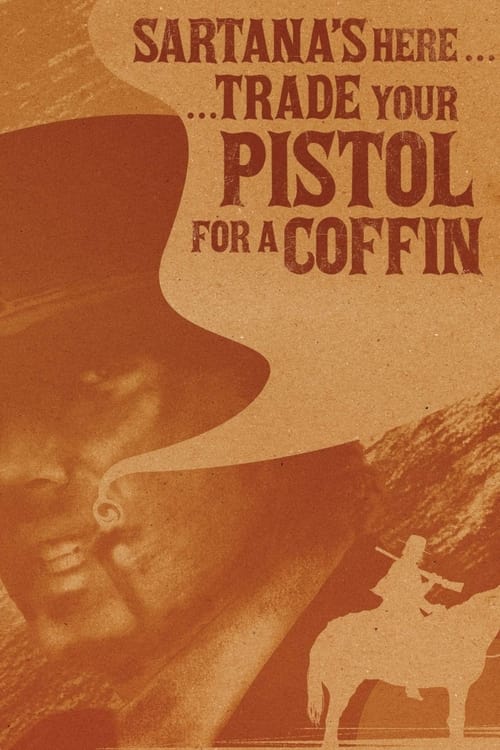
1970
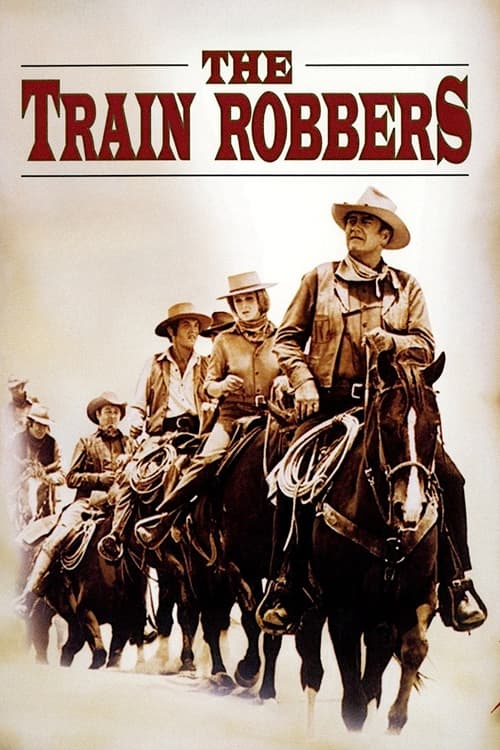
1973

1967
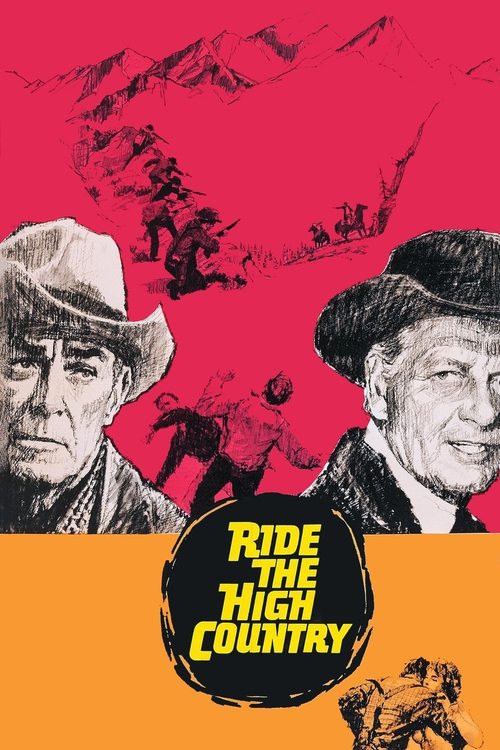
1962
No reviews yet. Be the first to share your thoughts on this movie!
Use the rating form above to leave a star rating and optional review.