
Utsav
1984
No user ratings available yet
Diversity score: 5.5 out of 10
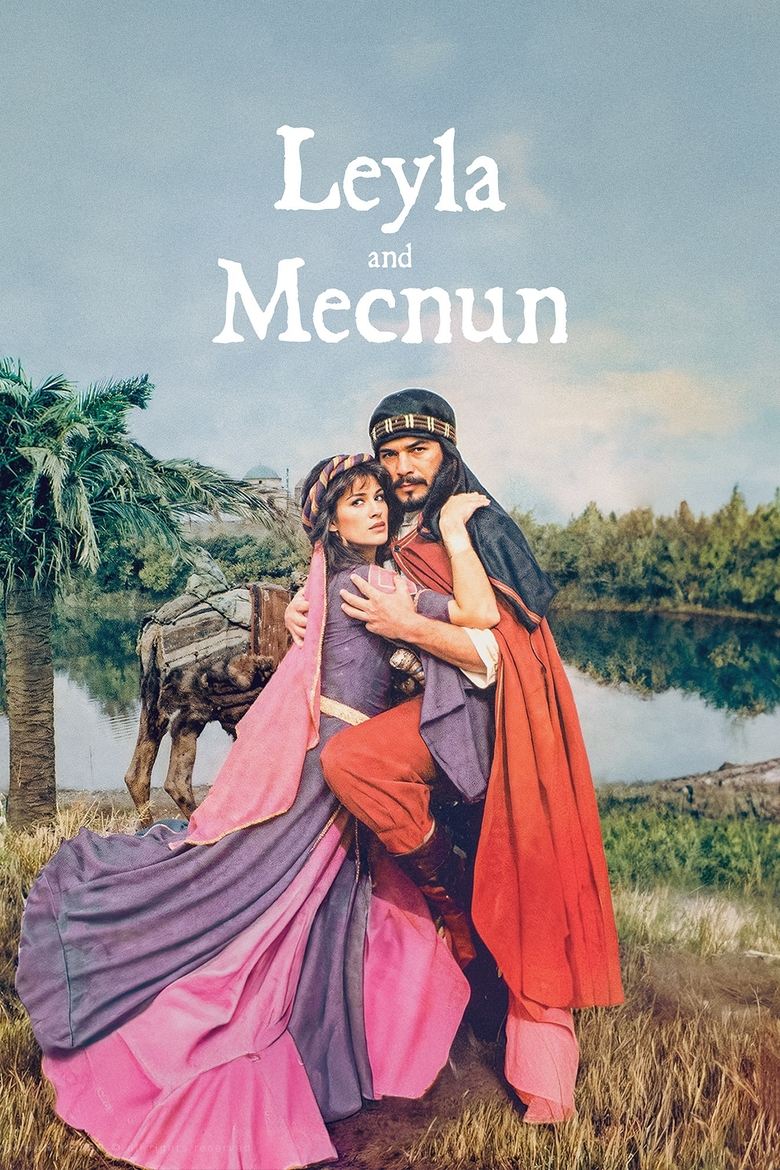
1983
Director
Halit Refiğ
Runtime
95 minutes
Average Rating
No ratings yetSynopsis
A fortune-teller reveals the Sultan that his daughter will get married to somebody poor, born on the same day with her. So, the Sultan gets all the baby boys born on the same day are killed and only Kadir is saved. Kadir and Leyla grow up together. Leyla wants to marry him but the Sultan refuses this idea. He orders Kadir to be killed, yet Kadir survives fatally wounded. Leyla finds Kadir's place where he is kept as a prisoner. As they escape they get caught. Leyla dies and Kadir who has lost her loved one goes to the desert with the image of Leyla alive in his heart.
Overall Score
Fair
Category Breakdown
LGBTQ+ Representation
The film focuses on a traditional romantic tragedy. There is no evidence of non-cisnormative gender identities or same-sex intimacy within the narrative.
Gender Representation
Leyla acts as an emotional catalyst and shows agency by seeking Kadir. However, her arc ends in martyrdom, and power remains heavily skewed toward patriarchal authority.
Racial & Ethnic Diversity
The production is culturally homogeneous, centered on a classical Middle Eastern folk tale. It avoids Western-centric norms but does not utilize diverse casting to disrupt ethnic hierarchies.
Religious & Cultural Diversity
The film critiques centralized authority and class hierarchies by framing the Sultan as a corrupt antagonist. It prioritizes emotional truth over state-driven social structures.
Disability Representation
Kadir is described as fatally wounded, but this serves as a plot device for the tragedy. There is no nuanced exploration of disability agency.
Strengths
Areas for Improvement
AI Analysis
Halit Refiğ’s work utilizes a classical tragic framework to critique systemic oppression. The film's strength lies in its subversion of absolute authority, positioning the state as a source of chaos rather than order. However, the narrative remains bound by traditional tropes. The female protagonist's agency is ultimately curtailed by masculine violence, and the story adheres to heteronormative romantic structures. Ultimately, the film offers a culturally specific critique of power and class, though it lacks modern intersectional representation or diverse casting.
1984

1968

2013
1965
1939
1992
1996

1977

1954
1999
1972
1943
No reviews yet. Be the first to share your thoughts on this movie!
Use the rating form above to leave a star rating and optional review.