
Malang
2020
No user ratings available yet
Diversity score: 4.3 out of 10
1992
Director
Mukul Anand
Runtime
193 minutes
Average Rating
No ratings yetSynopsis
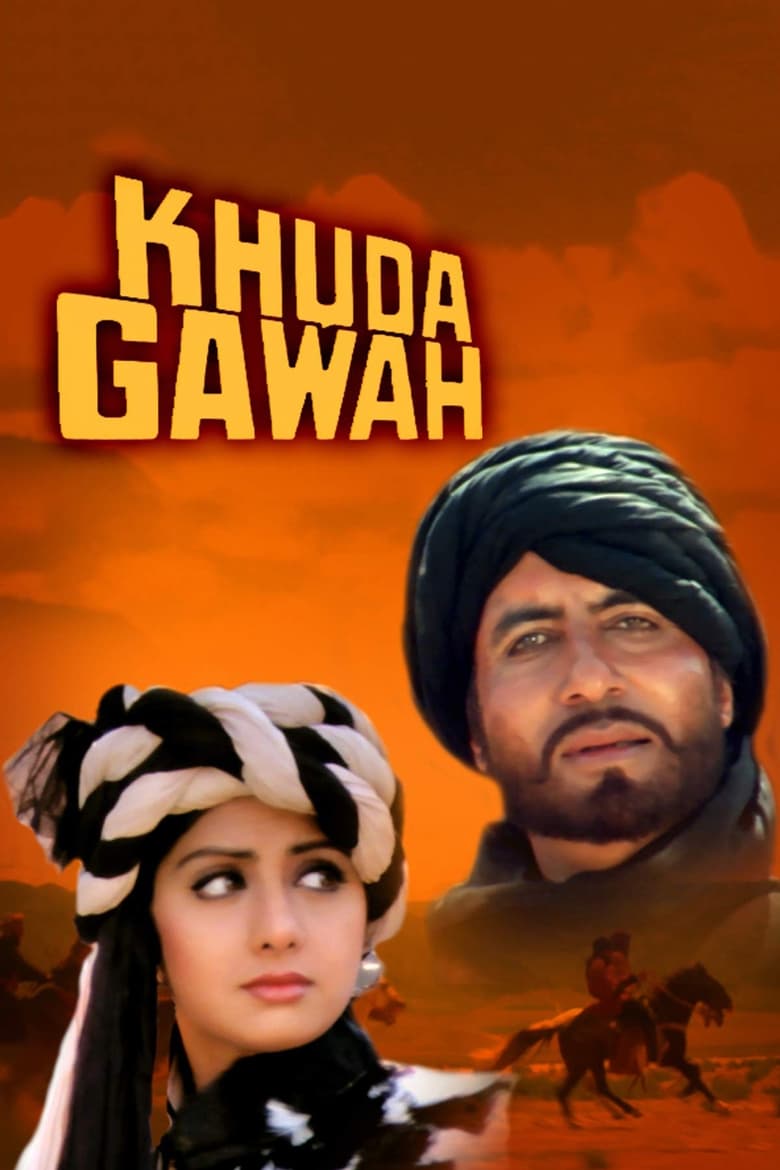
Baadshah Khan falls in love with Benazir, a member of a rival clan who has defeated him in a game of buzkashi. Benazir will not marry him unless he brings back the head of her father's killer, Habibullah, from India. He is successful, but he must return to India. He is then tragically separated from Benazir through a series of incidents that are only resolved years later with the arrival of his daughter, Menhdi, and his release from prison.
Overall Score
Fair
Category Breakdown
LGBTQ+ Representation
The film lacks LGBTQ+ characters or non-heteronormative identities. The romantic plot focuses entirely on a traditional heterosexual pairing.
Gender Representation
Benazir disrupts typical gender hierarchies by dictating the terms of the protagonist's journey. She demonstrates agency by demanding vengeance, challenging the trope of the submissive female lead.
Racial & Ethnic Diversity
The story uses the India-Pakistan border to explore Muslim and Sikh identities. These ethnic and religious boundaries act as active drivers for the characters rather than mere aesthetics.
Religious & Cultural Diversity
The narrative pits personal autonomy against rigid religious and communal laws. It explores the tension between individual romantic truth and the systemic authority of traditional honor structures.
Disability Representation
There are no significant depictions of visible or invisible disabilities within the narrative.
Strengths
Areas for Improvement
AI Analysis
Khuda Gawah explores the friction between individual desire and communal law. It uses the geopolitical landscape of the India-Pakistan border to move beyond a monolithic portrayal of South Asian culture, centering the plot on religious and ethnic intersections. The film succeeds in subverting certain patriarchal mandates through Benazir's agency. However, it remains anchored in the commercial melodrama of its era and lacks representation for LGBTQ+ individuals or people with disabilities. Ultimately, the film functions as a study of identity, using religious friction as a catalyst for character development rather than just a backdrop.
No reviews yet. Be the first to share your thoughts on this movie!
Use the rating form above to leave a star rating and optional review.