
Devdas
1955
No user ratings available yet
Representation score: 4.2 out of 10
Representation Score
Fair
1972
Director
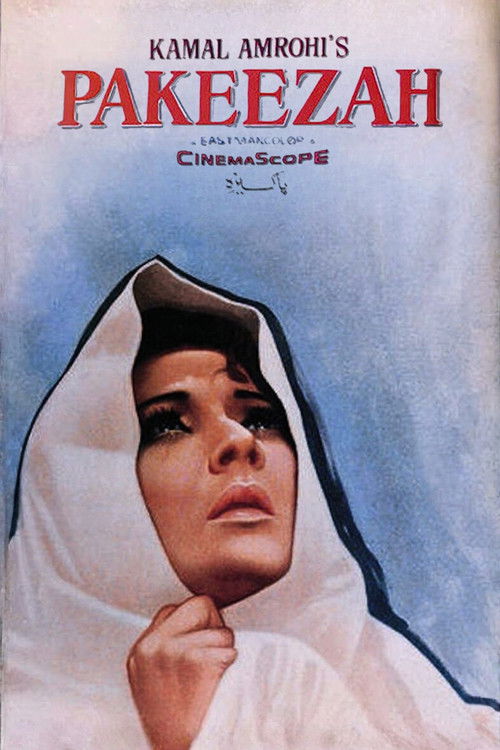
Kamal Amrohi
Runtime
153 minutes
Average Rating
No ratings yetNew Showbiz Analysis
Pakeezah is a sophisticated critique of social stratification and class-based morality. It succeeds by focusing on the emotional ability to act of a woman navigating a systemic hierarchy, rather than treating her as a passive victim. The film's strength lies in its deconstruction of the 'respectable' upper class, exposing the hypocrisy of social institutions. By highlighting the tawaif community, it provides a rich, culturally specific portrayal of a underrepresented subculture. However, the film remains tied to the era's conventional romantic paradigms and lacks modern markers of diversity, such as explicit LGBTQ+ representation.
Category Breakdown
The film follows a traditional romantic storyline and does not include any non-cisgender identities or narratives that challenge the assumption that everyone is straight. There is no representation of LGBTQ+ individuals.
Sahibjaan demonstrates significant emotional intelligence and plays a key role in driving the story within a restrictive patriarchal framework. The film critiques male patrons who exploit the courtesan class while still being respected in society.
The story offers a deep look into Lucknowi culture and the tawaif community. It uses Urdu poetic traditions to highlight a specific linguistic heritage that is often sidelined.
The narrative critiques strict moral binaries and Western-influenced social hierarchies. It challenges the idea of virtue versus sin by showing the protagonist's struggle for dignity.
There are no prominent depictions of physical or neurodivergent disabilities that play a central role in the narrative.
Present on Screen
Limited or Absent
Official Synopsis
A beautiful courtesan is unable to break away from the cycle of prostitution until a forest ranger falls in love with her. Unfortunately, his wealthy parents oppose the union.
1955

1989

1958

2009
1973
1982
1952
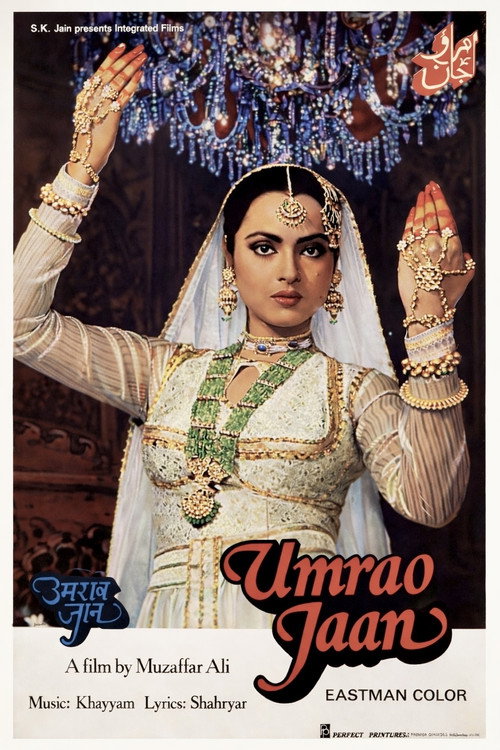
1981
No reviews yet. Be the first to share your thoughts on this movie!
Use the rating form above to leave a star rating and optional review.