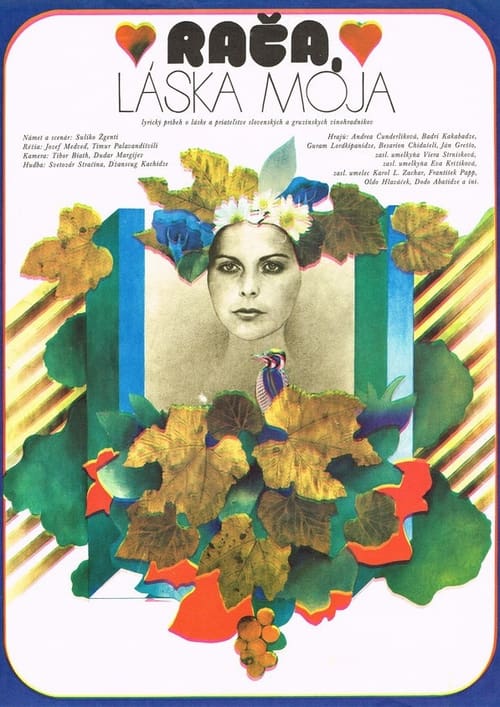
Racha, My Love
1977
No user ratings available yet
Representation score: 3.4 out of 10
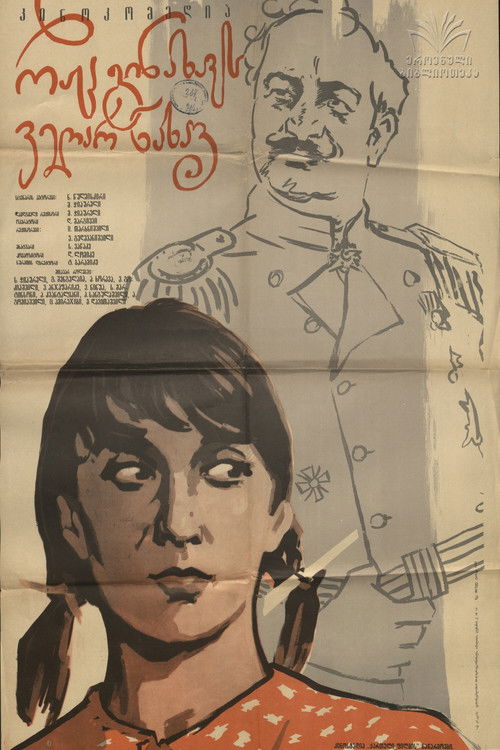
Representation Score
Limited
1965
Director
Mikheil Chiaureli
Runtime
88 minutes
Average Rating
No ratings yetNew Showbiz Analysis
The film functions as a mid-century folk narrative that uses romantic comedy to critique class-based hierarchies. It centers the ability to act of the working class against an oppressive, aristocratic elite. While the film lacks modern representations of LGBTQ+ identities and disabilities, it successfully disrupts traditional notions of social permanence. The narrative structure favors communal values over feudal structures. Ultimately, the work provides a culturally specific perspective that challenges the dominance of Western-style social hierarchies through its focus on regional Georgian identity.
Category Breakdown
The film focuses on a traditional romantic pairing between Gogia and Tasia. There are no queer narratives or non-cisgender identities present.
The plot challenges a male-dominated aristocratic order by subverting gender hierarchies. While Tasia is initially displaced, the narrative centers on the struggle against rigid patriarchal structures.
This Georgian production offers a non-Western lens, centering regional folk identities. It avoids the homogeneous Anglo-Saxon norms common in mid-century Hollywood cinema.
The story critiques feudalism and class-based oppression through a collectivist lens. It prioritizes working-class values and village life over aristocratic stability.
There is no depiction of physical or neurodivergent identities within the film.
Present on Screen
Limited or Absent
Official Synopsis
The young craftsman Gogia and the village girl Tasia fall in love with each other. Arriving in Tasia's village accompanied by a wedding procession, Gogia Can't find his bride anymore, Turns out by the order of Tasia's godmother, the duke's wife, she was taken to the duke's house as a servant. The elderly duke liked Tasia and decided to marry her. Gogia with the help of his friends, Karachokheli, tries to get his bride back.
1977
1967

1957
1938
1939
1948
1932
1956
No reviews yet. Be the first to share your thoughts on this movie!
Use the rating form above to leave a star rating and optional review.