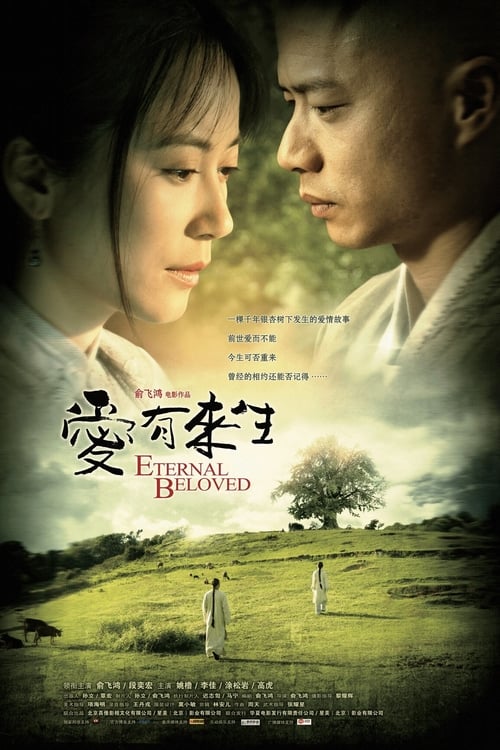
Eternal Beloved
2009
No user ratings available yet
Representation score: 2.3 out of 10
Representation Score
Fair
1996
Director
Kang Je-kyu
Runtime
88 minutes
Average Rating
No ratings yetNew Showbiz Analysis
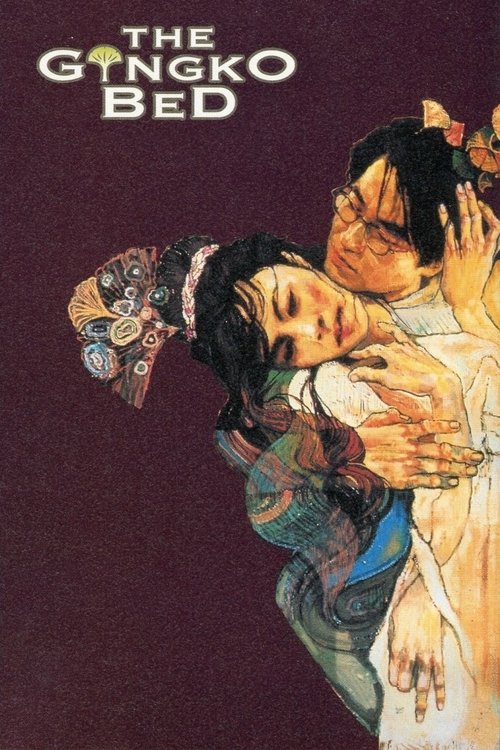
The Gingko Bed blends fantasy with historical critique, examining social hierarchies during the Joseon era. It effectively portrays the female lead's active role in shaping the narrative while challenging institutional corruption. However, the film remains limited by traditional romantic conventions and lacks diverse representation of various identities.
Category Breakdown
The film focuses on a traditional heterosexual relationship. There are no representations of same-sex relationships or non-cisgender identities.
The female lead plays a significant role in driving the story and influencing the protagonist's journey. She avoids being a passive character and instead actively shapes the plot.
The production stays true to its historical Korean setting, focusing on a specific exploration of Korean identity without incorporating diverse ethnic backgrounds.
The film critiques the corrupt political system of the Joseon era. It highlights the moral complexities between the ruling elite and the common people.
There are no prominent depictions of physical or cognitive disabilities that play a central role in the story.
Present on Screen
Limited or Absent
Official Synopsis
A young art professor, Su-hyun lives a contented existence with his pretty girlfriend. Things change, however, when he discovers an antique wooden bed in the garbage and brings it home.
2009

1991
1999
1999
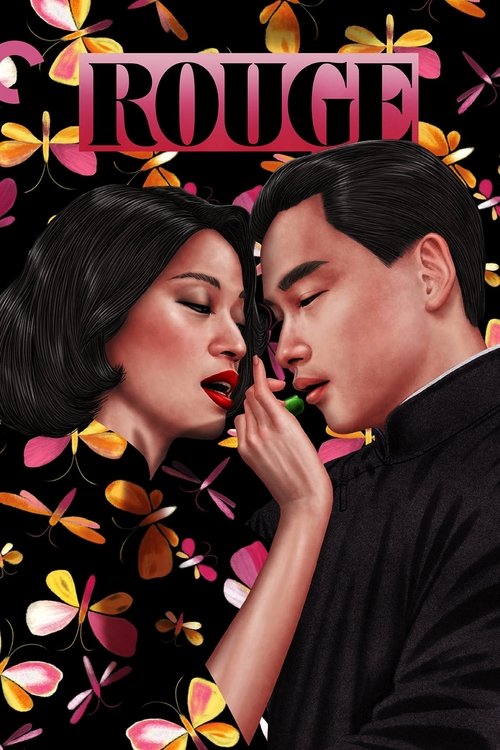
1987
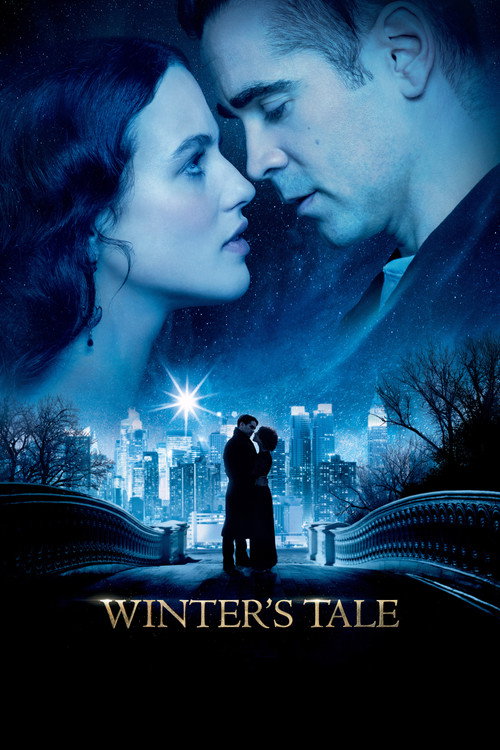
2014

2007
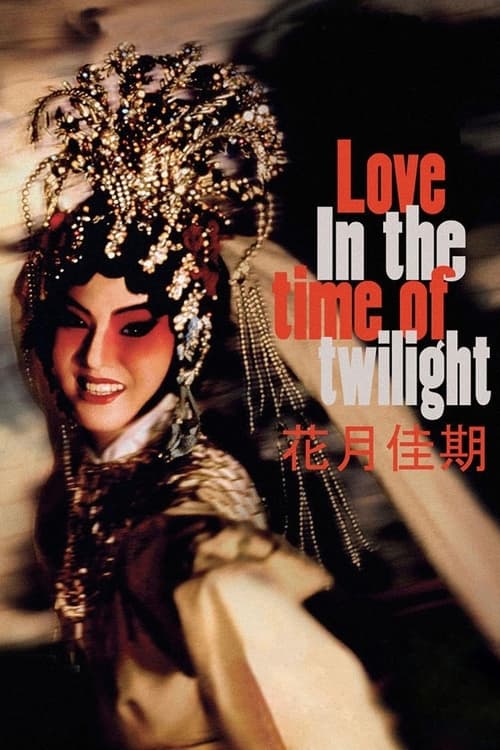
1995
No reviews yet. Be the first to share your thoughts on this movie!
Use the rating form above to leave a star rating and optional review.