
Primavera de la vida
1958
No user ratings available yet
Diversity score: 2.6 out of 10

1968
GPDirector
Arne Mattsson
Runtime
112 minutes
Average Rating
No ratings yetSynopsis
Christer Berg dies in a car crash and is found with a teddy bear named "Bamse". His son, also named Christer finds out that Bamse belongs to his father's lover Barbro Persson. He tries to humiliate her, introducing her to his mother as his new fiancée. But he ends up falling in love with her, and she sees in him the memories of her dead lover. When she finds herself pregnant, they have to decide about their love affair.
Overall Score
Minimal
Category Breakdown
LGBTQ+ Representation
The film adheres to traditional heteronormative structures. There are no depictions of same-sex intimacy or non-cisnormative gender identities.
Gender Representation
The narrative utilizes traditional gender archetypes common to the era. The protagonist embodies a classic masculine ideal of strength used for communal stability.
Racial & Ethnic Diversity
The anthropomorphic forest setting lacks human racial or ethnic identities. The story focuses on a homogeneous community of forest creatures.
Religious & Cultural Diversity
The film emphasizes pro-social behavior and community order. It reinforces traditional morality and social harmony without critiquing Western institutions.
Disability Representation
The characters are anthropomorphic animals in a fable-like setting. There is no discernible depiction of physical or neurodivergent disabilities.
Strengths
Areas for Improvement
AI Analysis
Bamse (1968) functions as a traditional moral fable designed to reinforce social cohesion. The narrative prioritizes kindness and the maintenance of community order over the disruption of existing power dynamics. Because the film utilizes an anthropomorphic animal cast, it lacks human racial, ethnic, or disability representation. The story operates within the established social and cultural frameworks of its time, focusing on archetypal characters rather than intersectional identities. Ultimately, the film's strength lies in its moral clarity, but it offers very little in the way of progressive representation or subversion of traditional gender and social hierarchies.
1958
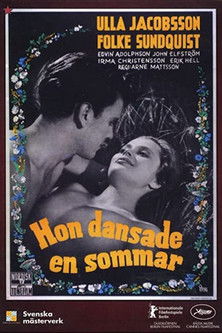
1951

1972
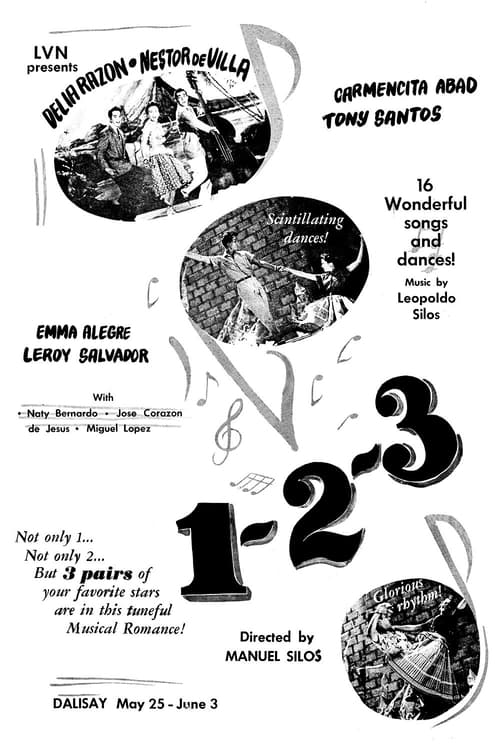
1955

1985

1970

1958
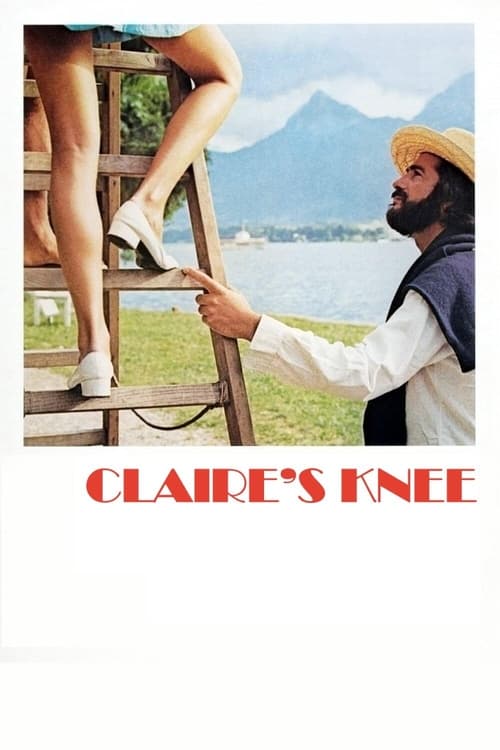
1970

1968

1930

1939

2007
No reviews yet. Be the first to share your thoughts on this movie!
Use the rating form above to leave a star rating and optional review.