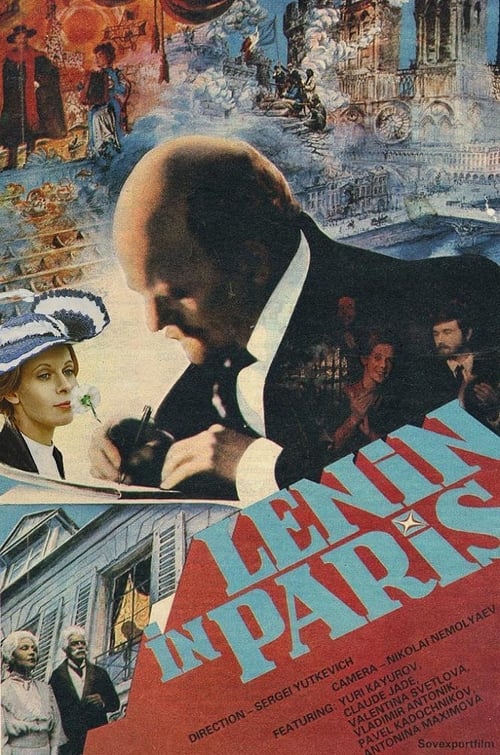
Lenin in Paris
1981
No user ratings available yet
Representation score: 3.5 out of 10
Representation Score
Good
2006
NRDirector
Julie Gavras
Runtime
99 minutes
Average Rating
No ratings yetNew Showbiz Analysis
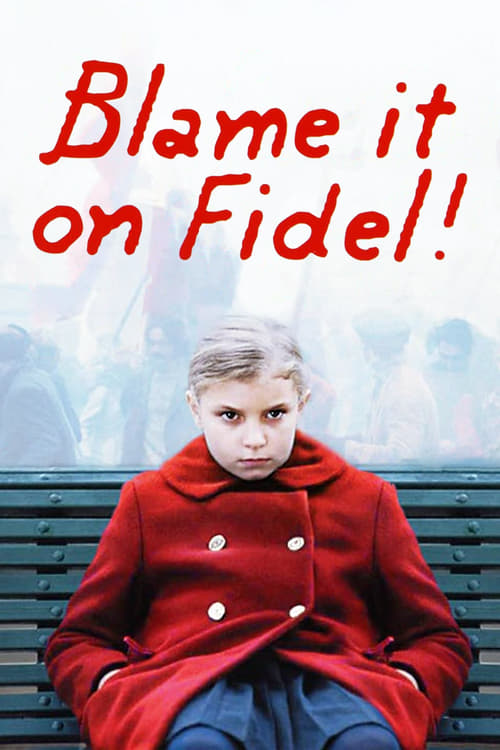
Blame It on Fidel! successfully studies systemic changes through a domestic lens, examining major political shifts. It challenges Western-centric historical narratives by focusing on anti-capitalist and anti-imperialist frameworks. The film excels in exploring how radical ideologies transform family structures and geopolitical hierarchies. However, it remains confined to a specific historical and political context, lacking broader representation of diverse identities.
Category Breakdown
The film does not include explicit stories focused on LGBTQ+ identities or non-binary gender characters. Instead, it centers on the political radicalization of families in 1970s Paris.
The story challenges traditional gender roles by placing the mother at the forefront of political activism. It examines how radical ideas change family dynamics and shared political involvement.
The film offers a non-Western perspective by connecting its themes to the Cuban Revolution. It highlights the actions of Cuban citizens and addresses post-colonial issues.
The film critiques Western dominance and institutional norms. It depicts the shift to socialism through the lens of ideological necessity.
There is no information about the representation of physical or neurodivergent disabilities in the film.
Present on Screen
Limited or Absent
Official Synopsis
A 9-year-old girl weathers big changes in her household as her parents become radical political activists in 1970-71 Paris.
1981
2020

2020
1985

2025

2016

2017

1990
No reviews yet. Be the first to share your thoughts on this movie!
Use the rating form above to leave a star rating and optional review.