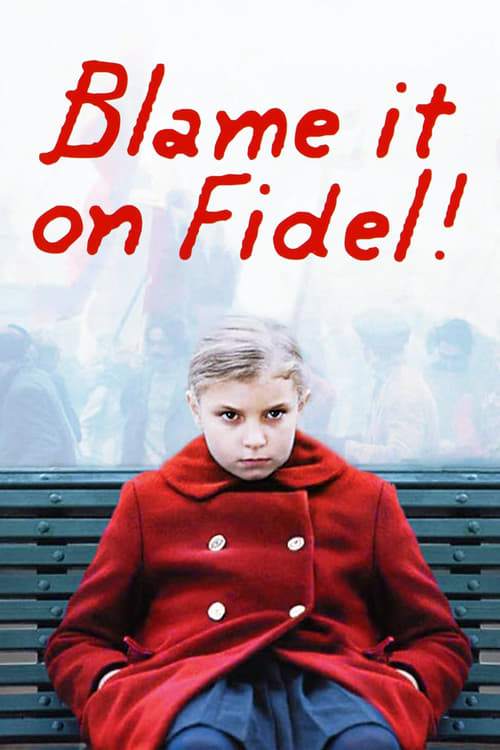
Blame It on Fidel!
2006
No user ratings available yet
Representation score: 6.2 out of 10

Representation Score
Good
2025
Director
Charlène Favier
Runtime
103 minutes
Average Rating
No ratings yetNew Showbiz Analysis
Oxana (2025) is a character-driven drama that emphasizes the ability to act of a underrepresented female activist. By focusing on the real-world figure of Oxana Chatchko, the film challenges traditional historical drama clichés to explore multi-layered activism and the tension between individual ability to act and systemic pressures. The film excels in its portrayal of gender and cultural issues, using themes of blasphemy and political displacement to critique established religious and state hierarchies. It goes beyond a simple biography to provide a sophisticated deconstruction of power dynamics. However, the film's impact on LGBTQ+ diversity and racial representation remains somewhat unclear due to a lack of explicit detail regarding specific identities. While the themes suggest a progressive framework, the absence of clear descriptors for the ensemble limits a higher score in these categories.
Category Breakdown
The film includes encounters with lovers during the protagonist's journey through Paris, though specific identities are not clearly defined. The narrative likely challenges traditional assumptions about relationships through its radical feminist viewpoint.
The film centers on a former FEMEN leader, providing a strong female perspective. It explores the complexities of female leadership and the systemic obstacles women face in radical political spaces.
The protagonist is portrayed as a political refugee, engaging with themes of global migration and displacement. The cast reflects Eastern European origins, shifting the narrative away from a homogeneous Western perspective.
The film directly confronts religious authority through the display of blasphemous icons. It critiques state power and traditional morality by focusing on the protagonist's pursuit of refugee status.
There is no explicit mention of characters dealing with physical or neurodivergent disabilities. While psychological trauma is a theme, there is no specific representation of disabilities.
Present on Screen
Limited or Absent
Official Synopsis
July 23, 2018. An important date for ex-FEMEN leader Oxana Chatchko - the opening of her exhibition of blasphemous icons. So begins a day of wandering across Paris. Amidst encounters with lovers and an art critic, and an appointment to confirm her political refugee status, memories of her past as a feminist activist, and the traumas and betrayals suffered during her fight, resurface. Can she reawaken her desire to live?
2006

2015

2022

2020

2021

2021

2014

2018
No reviews yet. Be the first to share your thoughts on this movie!
Use the rating form above to leave a star rating and optional review.