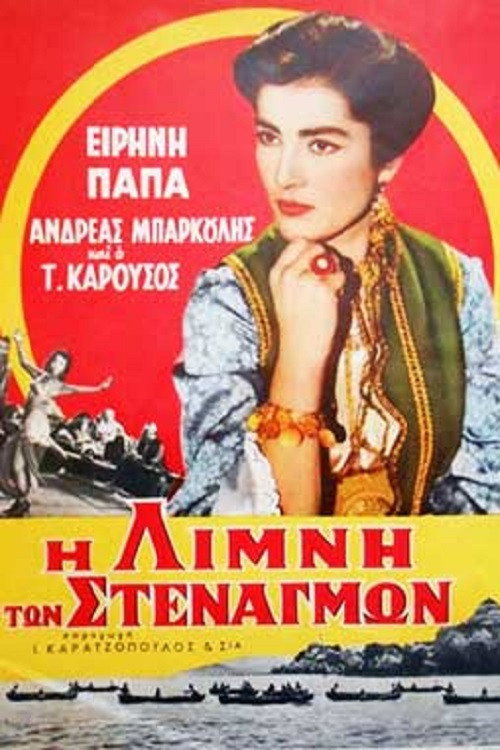
The Lake of Sighs
1959
No user ratings available yet
Representation score: 3.2 out of 10

Representation Score
Fair
2019
RDirector
Van Ling
Runtime
137 minutes
Average Rating
No ratings yetNew Showbiz Analysis
Cliffs of Freedom succeeds in challenging colonialist clichés by emphasizing individual moral complexity and ability to act. Instead of a straightforward good-versus-evil storyline, it delves into the internal contradictions of Ottoman governance through Tariq's perspective. The film's strength lies in its gendered narrative, where a village girl evolves into a political leader. This transformation adds a sophisticated layer of tension within the historical context. However, the film remains anchored in a traditional heterosexual romantic structure and lacks representation for LGBTQ+ identities or characters with disabilities.
Category Breakdown
The story focuses on a heterosexual relationship between Anna Christina and Colonel Tariq. There are no representations of LGBTQ+ identities or non-cisgender narratives in the film.
Anna Christina transforms from a passive romantic figure into an active participant in the Greek rebellion. She becomes a national symbol and drives the plot forward.
The film examines the intersection of Greek and Turkish identities. The casting of Jan Uddin and Raza Jaffrey helps explore the complexities of ethnic identity during the geopolitical conflict.
The narrative avoids simplistic binary clichés by depicting a Turkish officer grappling with moral doubts. It critiques the harsh governance methods of the Ottoman Empire through a nuanced portrayal.
The film does not include any characters dealing with physical, sensory, or neurodivergent disabilities.
Present on Screen
Limited or Absent
Official Synopsis
The timeless story of an ill-fated romance between a young Greek village girl and a conflicted Turkish officer during the dawn of the Greek War for Independence against the Ottoman Empire in 1821.
1959

2004
2012

1995
1955
2019
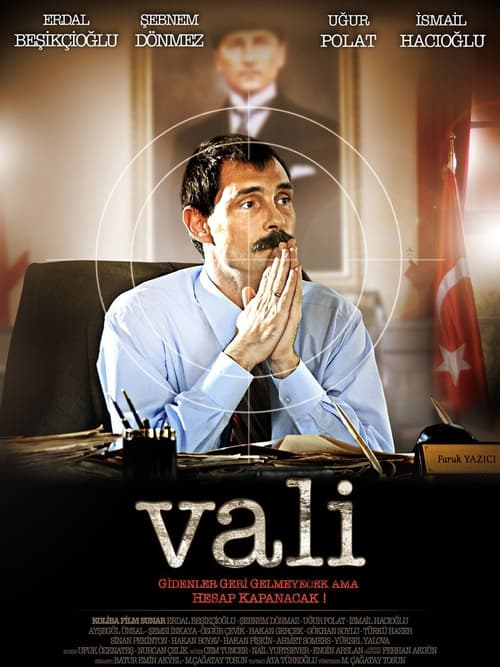
2009
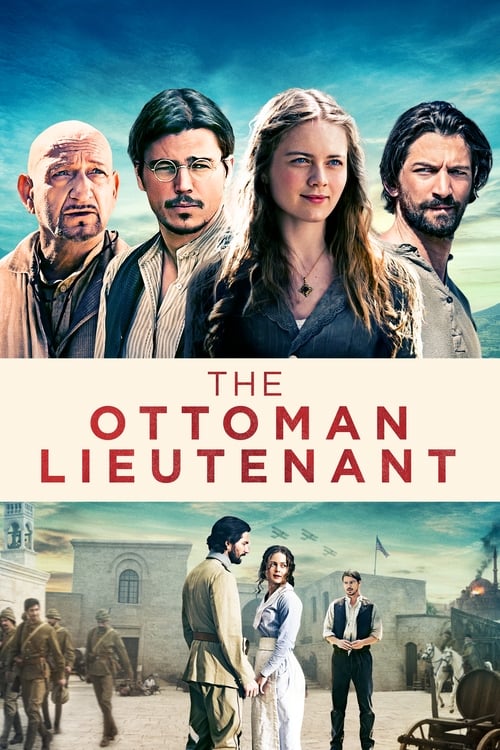
2017
No reviews yet. Be the first to share your thoughts on this movie!
Use the rating form above to leave a star rating and optional review.