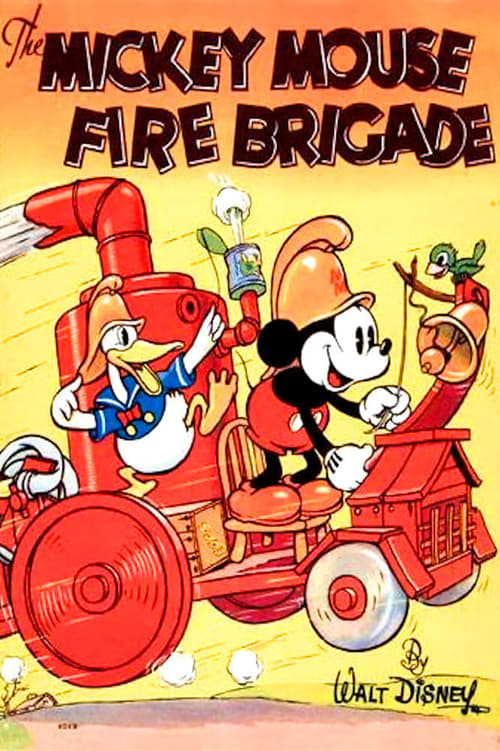
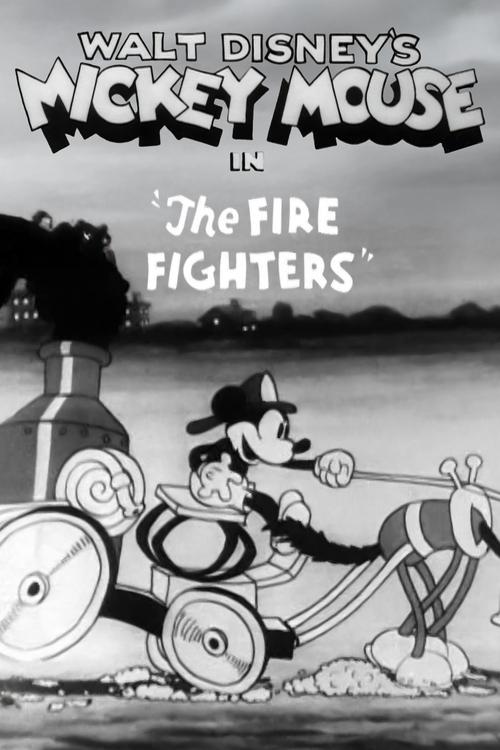
Mickey's Fire Brigade
1935
No user ratings available yet
Representation score: 0.4 out of 10
Representation Score
Minimal
1930
ApprovedDirector
Burt Gillett
Runtime
7 minutes
Average Rating
No ratings yetNew Showbiz Analysis
This animated short is a product of its era, relying heavily on established clichés of the hero and the damsel in distress. The narrative structure is predictable, focusing on Mickey's role as a protector and Minnie's need for rescue. The film reinforces conventional social hierarchies and traditional gender roles. It lacks the complexity needed to address multiple aspects of identity and avoid the standard comedic archetypes of the early 20th century. While technically innovative for its time, the content remains rooted in a homogeneous, Western-centric worldview that avoids any significant social or cultural disruption.
Category Breakdown
The film does not include any LGBTQ+ characters or explore non-straight relationships. The story revolves around the typical rescue scenario between Mickey and Minnie, which aligns with the traditional heterosexual relationship.
Minnie Mouse is portrayed in the passive role of needing rescue, while Mickey Mouse acts as the active hero. This reinforces traditional gender roles and hierarchies.
The cast consists of anthropomorphic animals, and the narrative does not challenge demographic norms. The story reflects a homogeneous, Western-centric comedic style typical of early American animation.
The story highlights traditional Western civic roles through the depiction of a fire department. It presents a straightforward morality where the firefighters are the helpful heroes overcoming a simple problem.
The film does not feature any characters with physical or neurodivergent disabilities. The slapstick humor focuses on physical comedy and exaggerated movements, avoiding any representation of disability.
Present on Screen
Limited or Absent
Official Synopsis
Mickey and others are firemen; they slide down an ostrich's neck when the alarm sounds. A squealing cat whose tail Mickey pulls acts as the siren. The nearest hydrant isn't working too well, so Horace Horsecollar takes drinks from a pond and uses that water to put out the fire. Minnie is trapped on an upper floor; Mickey climbs the neighboring building fire escape and uses a clothesline to cross to Minnie's building.
1935
1938

1931
1940
1931
1932
1933

1931
No reviews yet. Be the first to share your thoughts on this movie!
Use the rating form above to leave a star rating and optional review.