
Old Smokey
1938
No user ratings available yet
Representation score: 1.0 out of 10
Representation Score
Minimal
1937
ApprovedDirector
Allen Rose
Runtime
6 minutes
Average Rating
No ratings yetNew Showbiz Analysis
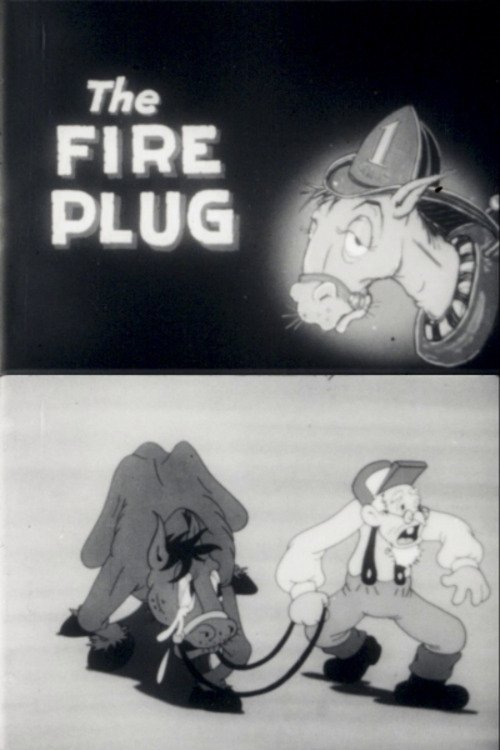
The Fire Plug is a traditionalist narrative centered on the tension between modernization and obsolescence. It follows a standard 1930s framework where technological progress is reconciled with established tradition through proven competence. While the story provides a heartwarming look at the utility of an old fire horse, it lacks any intentionality regarding social disruption. The characters and settings reflect the homogeneous social structures typical of the era's animation. Ultimately, the film prioritizes themes of civic order and utility over diverse representation or the subversion of social hierarchies.
Category Breakdown
The film contains no evidence of non-straight-centered identities or same-sex intimacy. The narrative focuses strictly on the functional relationship between a child, an animal, and municipal services.
The roles in the film follow traditional mid-century archetypes, with the Fire Chief embodying a position of authority. The story adheres to conventional adventure clichés without questioning established gender hierarchies.
The setting seems to depict a standardized municipal environment. There is no indication of a multi-ethnic cast or the inclusion of diverse racial identities within the story.
The film upholds traditional Western values such as civic duty and respect for hierarchy. The resolution supports existing social orders without challenging them.
There is no depiction of characters facing physical, sensory, or neurodivergent experiences. The focus remains on the mechanical and biological utility of the protagonists.
Present on Screen
Limited or Absent
Official Synopsis
Scrappy is playing with the old gray mare who was the town's fire horse until being replaced when the town's fire department purchased a modern motorized fire truck. But when the fire alarm sounds, the old mare responds, and with Scrappy steering the discarded truck, they dash to the fire along with the fire chief in his new truck. After the new truck breaks down, the fire chief admits that the old gray mare is a s good as she used to be.
1938
1941
1940
1954
1939

1933
1930

1929
No reviews yet. Be the first to share your thoughts on this movie!
Use the rating form above to leave a star rating and optional review.