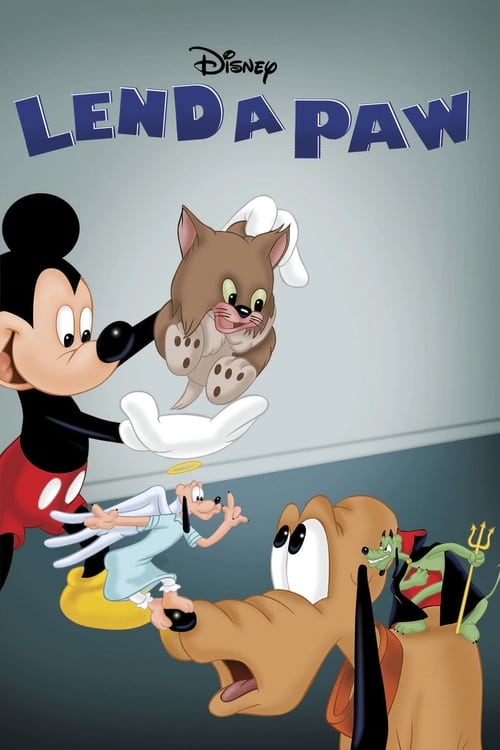
Lend a Paw
1941
No user ratings available yet
Representation score: 0.4 out of 10
Representation Score
Minimal
1933
NRDirector
Burt Gillett
Runtime
7 minutes
Average Rating
No ratings yetNew Showbiz Analysis
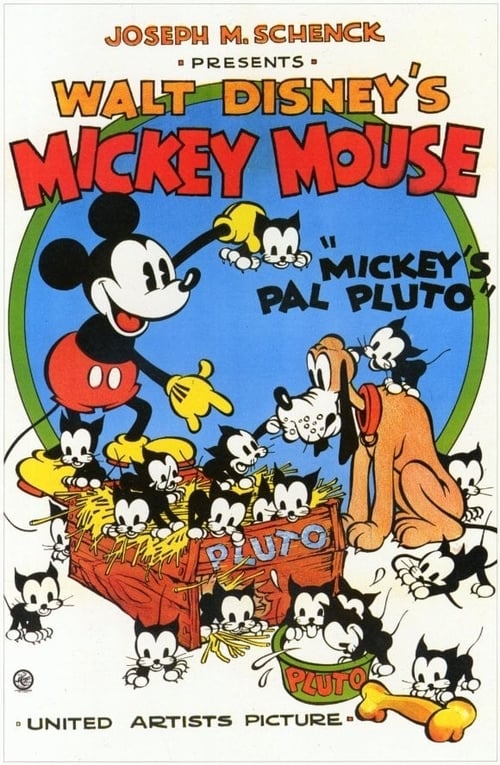
Mickey's Pal Pluto is a foundational piece of early animation that prioritizes physical comedy and character development over social commentary. The narrative operates within a closed ecosystem of anthropomorphic animals, limiting the scope for human-centric social representation. The film relies heavily on traditional moral binaries, such as the personification of good and evil, which provide psychological depth for the protagonist but reinforce conventional storytelling archetypes rather than challenging established social hierarchies. Ultimately, the work reflects the homogeneous, non-specific environment of early 20th-century American animation. It functions as a vehicle for slapstick, lacking the intentionality required for multi-layered or diverse storytelling.
Category Breakdown
The film focuses entirely on anthropomorphic animal slapstick and does not depict any non-cisgender identities or same-sex relationships.
Without human characters, the film relies on a traditional moral structure where angels represent good and devils represent evil, following conventional gender roles.
The cast consists solely of anthropomorphic animals in a domestic setting. There is no racial or ethnic diversity, and species are not used as metaphors for underrepresented identities.
The story uses a standard good versus evil cliché, reinforcing conventional notions of individual morality and domestic heroism through a traditional moral framework.
Physical and emotional struggles serve as drivers for slapstick comedy. There is no nuanced exploration of neurodivergence or lived experiences of disability.
Present on Screen
Limited or Absent
Official Synopsis
Pluto rescues a bag of kittens from the river. He feels rejected, then, as Mickey ignores him and blames him for damage the kittens do. His angel and devil sides argue with him. Pluto gets thrown outside. The kittens also find their way outside, and fall into the well, where Pluto's angel side wins out as he rescues them once again and is finally recognized as a hero.
1941
1934
1942
1948
1936
1947

1936

1929
No reviews yet. Be the first to share your thoughts on this movie!
Use the rating form above to leave a star rating and optional review.