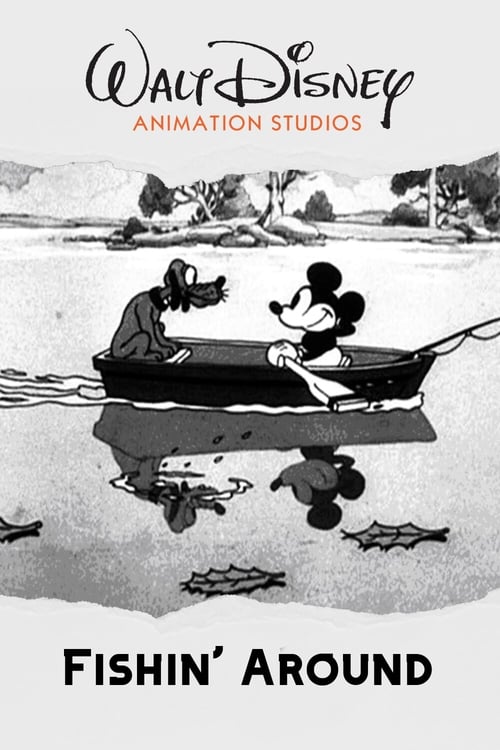
Fishin' Around
1931
No user ratings available yet
Representation score: 1.8 out of 10

Representation Score
Minimal
1931
Director
Burt Gillett
Runtime
7 minutes
Average Rating
No ratings yetNew Showbiz Analysis
Traffic Troubles is a product of early 20th-century animation standards, prioritizing slapstick humor over social complexity. The narrative structure is built around traditional character archetypes and conventional social roles. The film lacks intentionality regarding identity-based representation. It operates within a homogeneous framework that avoids exploring diverse backgrounds, non-traditional gender roles, or disability. Ultimately, the work reflects the era's focus on individual character struggles with physical obstacles rather than any meaningful engagement with storytelling that reflects multiple aspects of identity or social disruption.
Category Breakdown
The film does not include any LGBTQ+ characters or non-cisgender identities. Mickey and Minnie interact through conventional romantic roles typical of the era.
Mickey takes a leading role as the driver, while Minnie plays a supportive role by performing the accordion. The narrative follows traditional 1930s gender roles.
The cast appears uniform, focusing on established characters without any indication of racial or ethnic diversity. The narrative lacks intentional color-blind casting or diverse representation.
The story focuses on slapstick comedy and mechanical obstacles rather than cultural or institutional critiques. It lacks themes of moral relativism or anti-institutionalism.
No characters with visible or invisible disabilities are identified. The physical comedy relies on slapstick physics rather than depicting physical or neurodivergent impairments.
Present on Screen
Limited or Absent
Official Synopsis
Mickey is driving a taxi. His first fare is a very large gentleman. Mickey stops traffic and gets a tongue-lashing from the officer. The cab runs into some bad road, bounces the fare down to almost nothing, then bounces the customer right out of the cab. Mickey pulls up to the curb and picks up his second passenger, Minnie. She plays her accordion while they ride. The cab gets a flat tire, and Mickey uses a pig to pump it up.
1931
1931
1930
1932
1927
1936
1934

1931
No reviews yet. Be the first to share your thoughts on this movie!
Use the rating form above to leave a star rating and optional review.