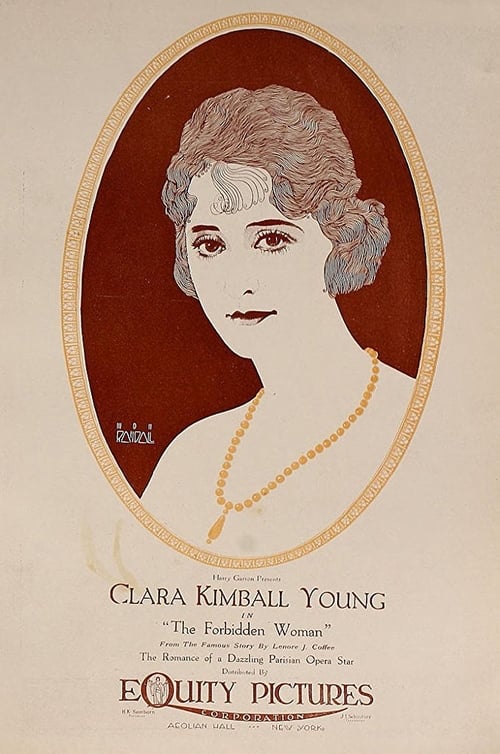
The Forbidden Woman
1920
No user ratings available yet
Diversity score: 3.8 out of 10

1928
PassedDirector
Richard Eichberg
Runtime
107 minutes
Average Rating
No ratings yetSynopsis
Heli's misfortune begins when her mother, the landlady, marries for the second time. The man is bossy and brutal. In an argument between stepfather and brother, Heli intervenes: She throws a hatchet, the stepfather falls and is killed.
Overall Score
Limited
Category Breakdown
LGBTQ+ Representation
The film lacks explicit depictions of non-cisnormative identities or same-sex intimacy. The central conflict relies on a traditional heteronormative framework centered on marriage.
Gender Representation
Heli disrupts conventional gender hierarchies by exerting significant agency. Her violent intervention against a patriarchal figure challenges the trope of the passive, helpless female protagonist.
Racial & Ethnic Diversity
The production reflects the homogeneous social structures of 1928 Germany. There is no evidence of racial blending or diverse casting within the narrative.
Religious & Cultural Diversity
The story critiques authoritarian patriarchal structures through a dysfunctional family unit. However, it leans toward tragic melodrama rather than a deep critique of Western institutions.
Disability Representation
The film provides no information or visible depiction of physical or neurodivergent characters.
Strengths
Areas for Improvement
AI Analysis
Whirl of Youth is a period melodrama that captures the shifting familial power dynamics of Weimar-era Germany. While it adheres to the demographic homogeneity of its time, it offers a surprising subversion of gendered passivity through its female lead. Heli serves as the narrative's primary driver, moving beyond a submissive role to commit a decisive, life-altering act of violence. This agency provides a rare moment of disruption within a traditional domestic setting. Ultimately, the film remains limited by its era's social norms, focusing on domestic tragedy rather than broader intersectional representation.
1920
1911
1921

1949

1924
1934
1919
1932

1929
1925

1929
1917
No reviews yet. Be the first to share your thoughts on this movie!
Use the rating form above to leave a star rating and optional review.