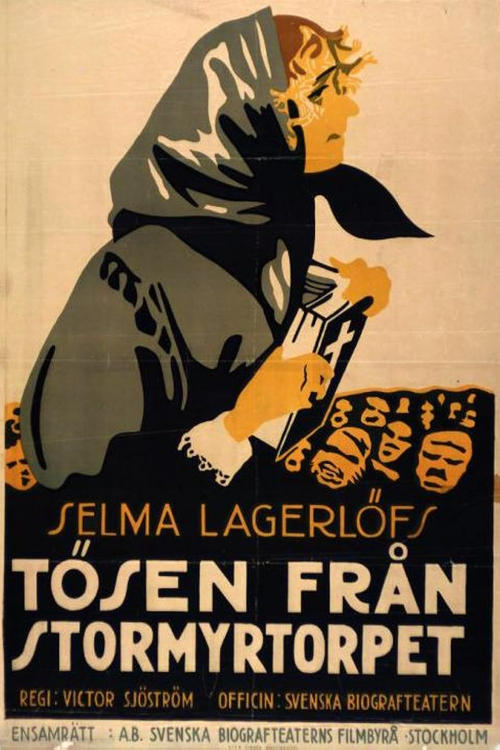
The Girl from the Marsh Croft
1917
No user ratings available yet
Representation score: 2.1 out of 10
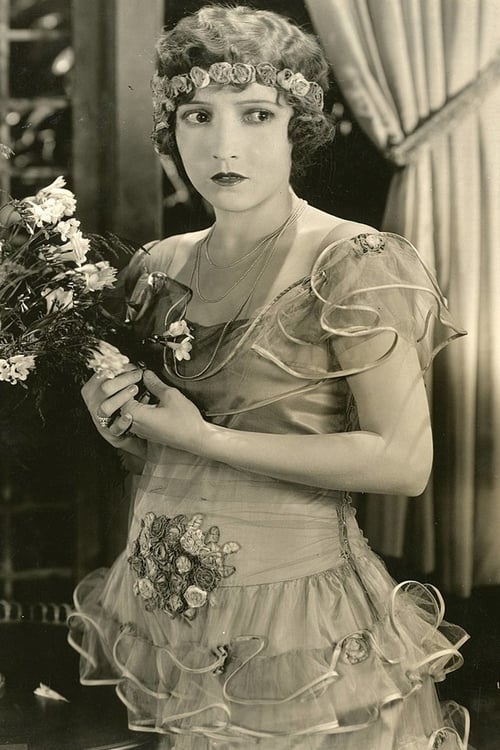
Representation Score
Limited
1924
PassedDirector
Harry O. Hoyt
Runtime
70 minutes
Average Rating
No ratings yetNew Showbiz Analysis
The film highlights women taking active roles instead of being passive victims. It challenges the idea of institutional authority and social pressure by showing a woman standing up to an all-male jury. However, the film lacks diverse representation, especially in terms of LGBTQ+ identities and racial diversity, which reflects the standards of its time.
Category Breakdown
The film doesn't show any non-straight relationships. It focuses on a man leaving a woman due to a betrayal.
The movie challenges traditional gender roles by putting two strong women at the center. One fights back violently, while the other stands up to an all-male jury.
The film likely reflects the homogeneous casting standards of 1924. There is no evidence of racial blending or non-white casts used to challenge social norms.
The story questions societal and legal norms by highlighting personal moral choices over public opinion.
There is no information available regarding the portrayal of physical or neurodivergent disabilities in this production.
Present on Screen
Limited or Absent
Official Synopsis
The story of a woman on trial for her life for shooting the man who had promised to love her but had deserted her...and of a woman on the jury who refused to condemn her when eleven men had voted guilty...a woman brave enough to defy public opinion, brave enough to lose the loss of the love of her husband by baring her soul to the world in order to save the girl on trial.
1917
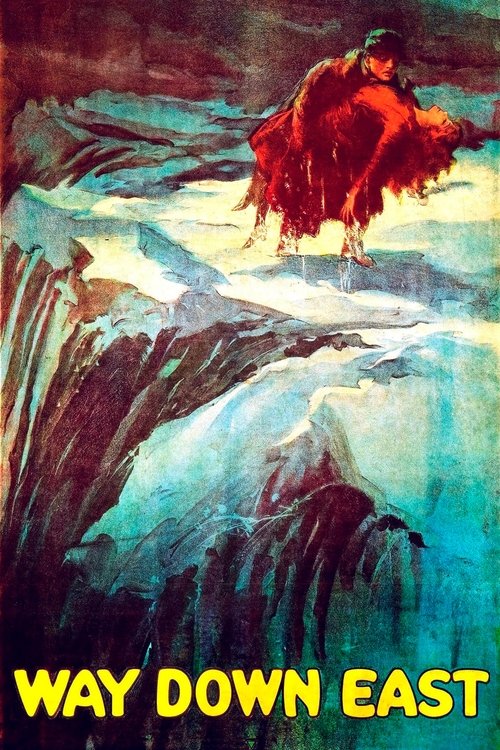
1920
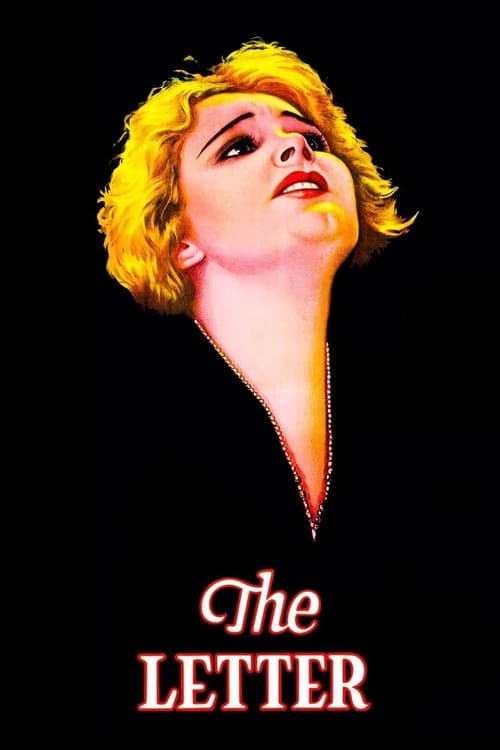
1929

1929
1929
1927
1929
1923
No reviews yet. Be the first to share your thoughts on this movie!
Use the rating form above to leave a star rating and optional review.