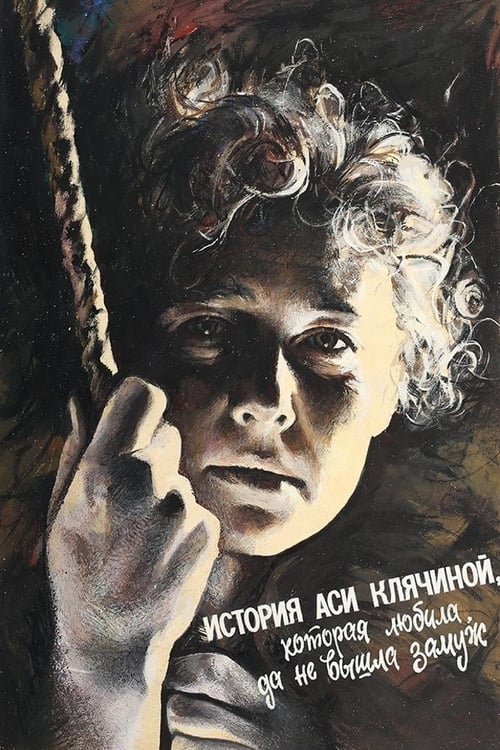
The Story of Asya Klyachina, Who Loved, But Did Not Marry
1966
No user ratings available yet
Diversity score: 5.8 out of 10
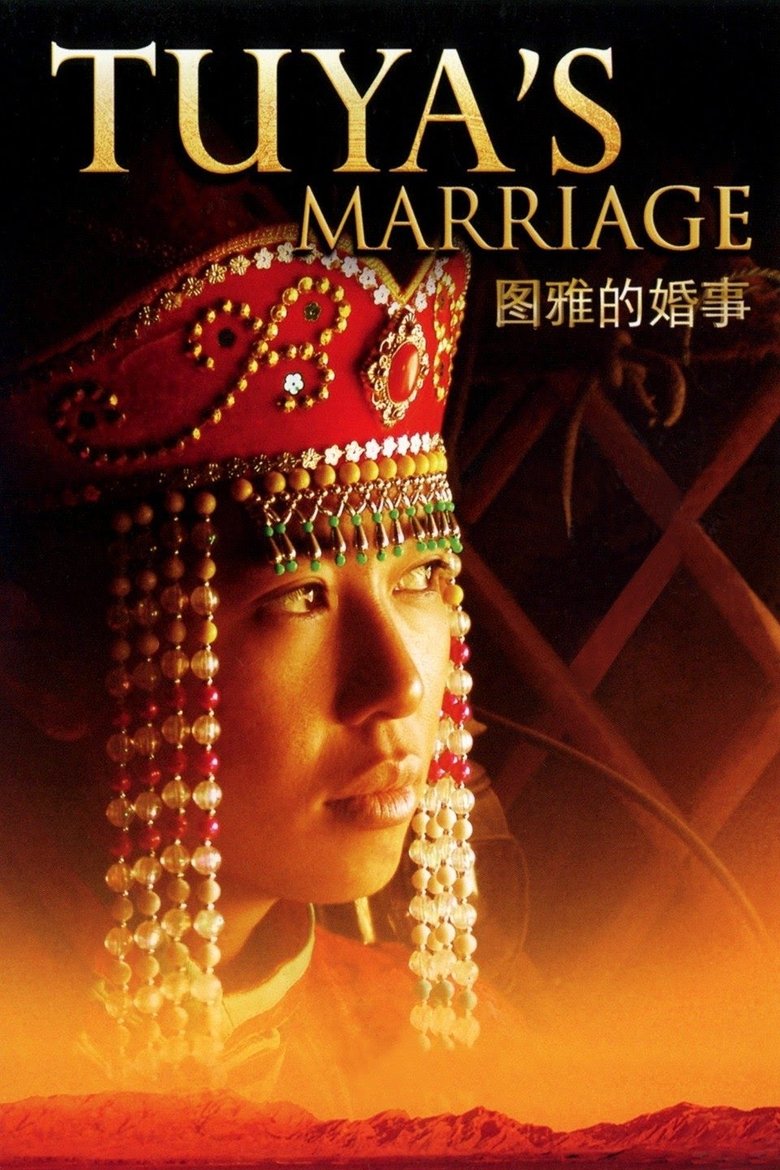
2006
Not RatedDirector
Wang Quan'an
Runtime
96 minutes
Average Rating
No ratings yetSynopsis
Set in Inner Mongolia, a physical setback causes a young woman to choose a suitor who can take care of her, as well as her disabled husband.
Overall Score
Fair
Category Breakdown
LGBTQ+ Representation
The film focuses strictly on traditional marital and familial structures in rural Northwest China. It does not feature LGBTQ+ characters or non-heteronormative identities.
Gender Representation
Tuya serves as the narrative's primary driver, centering the female experience of endurance. Her survival-driven decisions challenge patriarchal hierarchies and subvert the trope of the stable male leader.
Racial & Ethnic Diversity
The film provides an authentic, unvarnished portrayal of a specific regional identity on the Loess Plateau. It depicts a culturally specific, ethnically homogeneous Han Chinese rural population.
Religious & Cultural Diversity
The story critiques systemic poverty and deconstructs romanticized views of rural life. It presents family through a lens of duty and burden rather than an idealized institution.
Disability Representation
Disability is a central, functional element of the story rather than a mere plot device. The disabled husband is portrayed as a realistic factor in the protagonist's socioeconomic reality.
Strengths
Areas for Improvement
AI Analysis
Wang Quan'an utilizes social realism to document the lives of those on the periphery of society. The film succeeds by granting agency to a female protagonist navigating extreme hardship, shifting focus away from traditional power structures. While the film lacks engagement with modern Western identity politics or LGBTQ+ themes, it offers progressive value through its deconstruction of patriarchal stability. It provides a rigorous look at systemic socioeconomic oppression. The narrative avoids romanticizing rural existence, instead presenting a cycle of hardship and situational morality. It treats disability and gendered labor as factual, lived realities of the characters' environment.
1966

2016

2011
2009
2022

2002

1995
2009
1986

2009

2017

2009
No reviews yet. Be the first to share your thoughts on this movie!
Use the rating form above to leave a star rating and optional review.