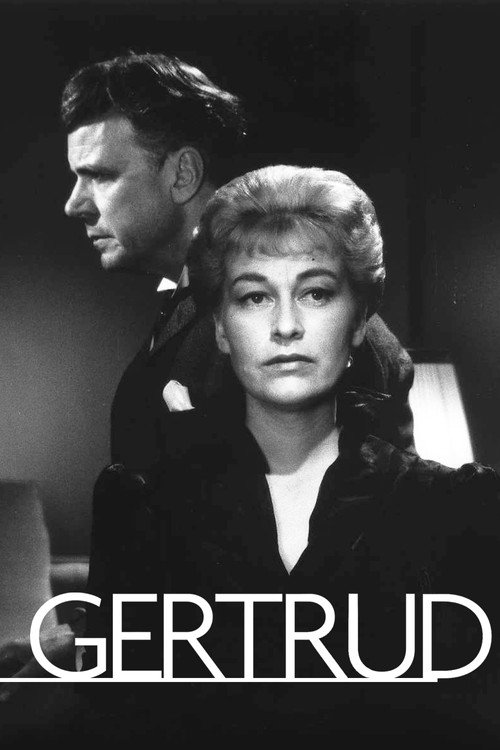
Gertrud
1964
No user ratings available yet
Diversity score: 4.3 out of 10

2001
RDirector
Michael Haneke
Runtime
131 minutes
Average Rating
No ratings yetSynopsis
Erika Kohut, a sexually repressed piano teacher living with her domineering mother, meets a young man who starts romantically pursuing her.
Overall Score
Fair
Category Breakdown
LGBTQ+ Representation
The film focuses on a dysfunctional heterosexual relationship between Erika and Walter. It explores unconventional desires but lacks LGBTQ+ characters or a queer lens to critique heteronormativity.
Gender Representation
Erika Kohut is a professional woman whose agency is complicated by psychological repression. The film subverts traditional feminine tropes and replaces the nurturing maternal archetype with a domineering, suffocating mother.
Racial & Ethnic Diversity
The setting is a homogeneous, white, middle-class European environment in Vienna. The narrative scope is intentionally narrow, focusing on a specific socioeconomic class without racial blending.
Religious & Cultural Diversity
Haneke uses a clinical lens to critique Western institutions like high culture and classical music. The film avoids imposing a singular moral or Christian framework on its transgressive characters.
Disability Representation
Neurodivergence and trauma are explored through Erika’s self-harm and voyeurism. These elements are framed as psychological pathologies that drive the film's dark thematic exploration.
Strengths
Areas for Improvement
AI Analysis
The film is demographically traditional, lacking racial and LGBTQ+ diversity, which pulls the score down significantly. However, it is structurally disruptive, using its narrow focus to deconstruct gendered and cultural norms. It succeeds in subverting the 'stable female' trope and critiques the veneer of Western civilization. The portrayal of the family unit as a site of oppression further challenges conventional social hierarchies. Ultimately, the work trades demographic breadth for thematic depth, offering a clinical look at psychological pathology rather than a diverse social tapestry.
1964

1999

1967

1976

1988
1981

2004

2003

2007

2004

1983

2007
No reviews yet. Be the first to share your thoughts on this movie!
Use the rating form above to leave a star rating and optional review.