A Distant Place
2010
No user ratings available yet
Representation score: 5.1 out of 10
Representation Score
Good
2002
RDirector
Agnieszka Holland
Runtime
113 minutes
Average Rating
No ratings yetNew Showbiz Analysis
Agnieszka Holland presents a sophisticated historical drama that avoids simplistic, heroic clichés often found in frontier stories. By prioritizing women's ability to drive the story and exploring the tensions of settlement and post-colonial themes, the film offers a nuanced perspective on the 19th-century social landscape. While the film provides a detailed look at the racial diversity of the time, it lacks representation of LGBTQ+ identities. Additionally, the depiction of illness serves mainly as a plot device rather than a thorough exploration of disability.
Category Breakdown
The film focuses on heterosexual and cisgender relationships, with no representation of LGBTQ+ identities or narratives involving non-binary gender identities.
Julie actively drives the story, navigating economic and social independence while challenging patriarchal hierarchies and securing her own emotional autonomy.
The film includes a diverse cast, featuring enslaved African Americans and interactions with indigenous populations, providing a realistic view of the 19th-century American frontier.
It explores post-colonial themes, critiquing Western institutions by highlighting the unreliability of formal social structures in the frontier context.
Pediatric cancer serves as a key plot device, initiating the protagonist's journey, but the illness itself is not explored deeply in terms of the lived experience of disability.
Present on Screen
Limited or Absent
Official Synopsis
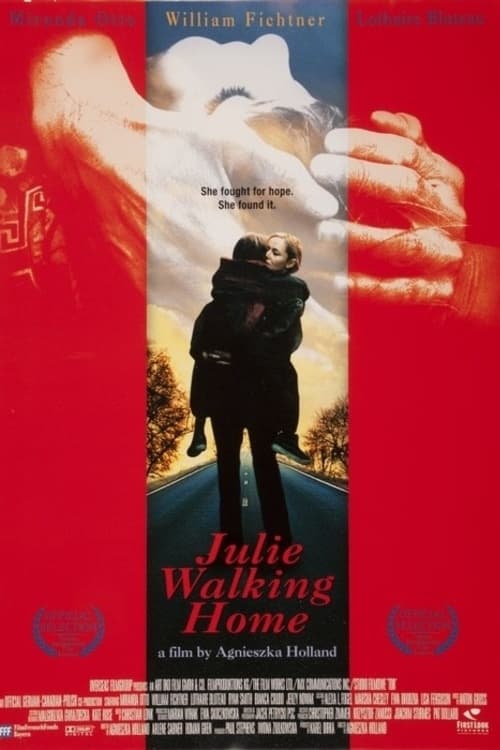
Julie's son is dying of cancer and her marriage falling apart. She goes to Poland in search of a man who can heal using his hands. Julie finds not only a magical cure for her son, but also comes across a love so pure it begins to heal the aching in her heart.
2010

2008

2004

2002

2001
1999

2012
1998
No reviews yet. Be the first to share your thoughts on this movie!
Use the rating form above to leave a star rating and optional review.