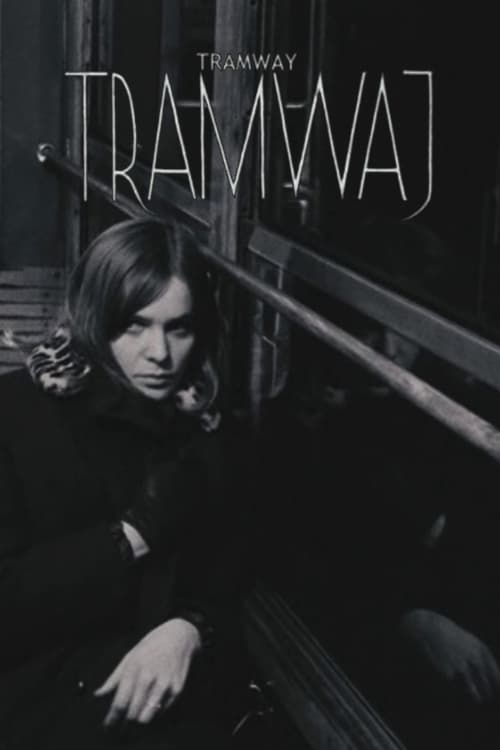
Tramway
1966
No user ratings available yet
Representation score: 4.5 out of 10

Representation Score
Good
1988
Not RatedDirector
Krzysztof Kieślowski
Runtime
87 minutes
Average Rating
No ratings yetNew Showbiz Analysis
Krzysztof Kieślowski’s work emphasizes psychological depth and philosophical questions over broad demographic representation. By focusing on Magda’s complex emotional journey, the film subverts traditional gender roles. However, the narrative is confined by its historical and geographical context. The absence of LGBTQ+ and racial diversity reflects the localized social realism of late-communist Poland rather than a wider inclusive perspective. Ultimately, the film uses intimate domestic settings to explore perception and challenge traditional moral certainties.
Category Breakdown
The film focuses on heterosexual relationships and does not include LGBTQ+ characters or narratives that challenge the assumption that everyone is straight or cisgender.
Magda is shown as an independent woman with strong social and sexual freedom. Her character challenges the stereotype of women being passive objects by emphasizing her active role and intellectual depth.
The cast is mostly made up of people from similar backgrounds, reflecting the demographics of late-communist Poland. This lack of diversity fits the film's realistic portrayal of local society.
The film emphasizes existential and secular themes over religious ones. It uses moral relativism to question the idea of a universal morality through personal experiences.
The film does not prominently depict physical or neurological disabilities. Instead, it explores psychological conditions like obsession and loneliness as universal human experiences.
Present on Screen
Limited or Absent
Official Synopsis
19-year-old Tomek whiles away his lonely life by spying on his opposite neighbour Magda through binoculars. She's an artist in her mid-thirties, and appears to have everything - not least a constant stream of men at her beck and call. But when the two finally meet, they discover that they have a lot more in common than appeared at first sight...
1966

1966
2002

1970
2007

1987

2013

1971
No reviews yet. Be the first to share your thoughts on this movie!
Use the rating form above to leave a star rating and optional review.