Impossibly Yours
2007
No user ratings available yet
Representation score: 6.7 out of 10
Representation Score
Fair
2002
RDirector
Susanne Bier
Runtime
113 minutes
Average Rating
No ratings yetNew Showbiz Analysis
Susanne Bier’s drama succeeds in challenging traditional gender roles by emphasizing emotional vulnerability over masculine stoicism. The film’s strength lies in its psychological complexity and its avoidance of moral clichés regarding infidelity. However, the film is limited by a highly homogeneous social environment. The lack of racial diversity and the absence of queer identities result in a narrow demographic focus that lacks multi-layered depth. Ultimately, while the film offers a nuanced look at human frailty and disability, its localized, white-centric setting prevents a broader spectrum of representation.
Category Breakdown
The film operates within a framework that assumes everyone is straight or cisgender. Narrative tension comes from traditional romantic entanglements and disruptions to heterosexual unions.
The story challenges traditional hierarchies by focusing on the emotional journey of female protagonists. It explores women's desires and fulfillment outside of marital duties.
The cast is almost entirely white, reflecting a middle-class Danish social setting. The film lacks intentionality regarding multi-ethnic or characters who reflect more than one aspect of diversity.
The narrative avoids binary morality by framing infidelity through situational ethics. It critiques the rigidity of traditional institutions by showing the family unit as inherently fragile.
Disability is used as a catalyst to explore shifting power dynamics within a relationship, rather than as a source of sentimentalized heroism.
Present on Screen
Limited or Absent
Official Synopsis
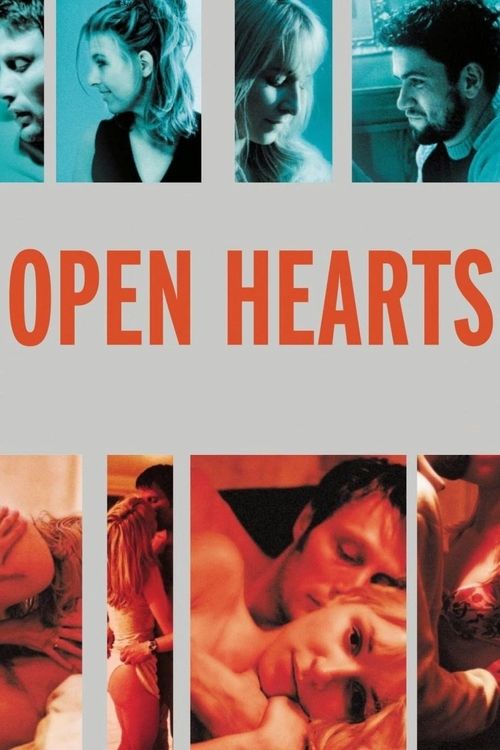
Cecilie and Joachim are about to get married when a freak car accident leaves Joachim disabled, throwing their lives into a spin. The driver of the other car, Marie, and her family don’t get off lightly, either. Her husband Niels works in the hospital where he meets Cecilie and falls madly in love with her.
2007
2002

2005
2001

2014
2006
1997

2020
No reviews yet. Be the first to share your thoughts on this movie!
Use the rating form above to leave a star rating and optional review.