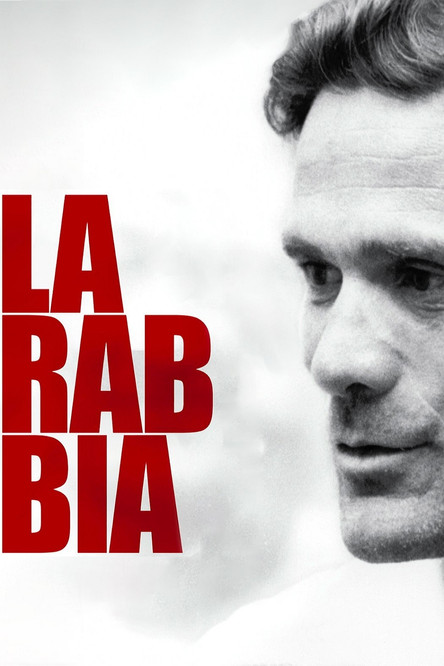
La Rabbia di Pasolini
2008
No user ratings available yet
Representation score: 6.9 out of 10
Representation Score
Good
2006
Director
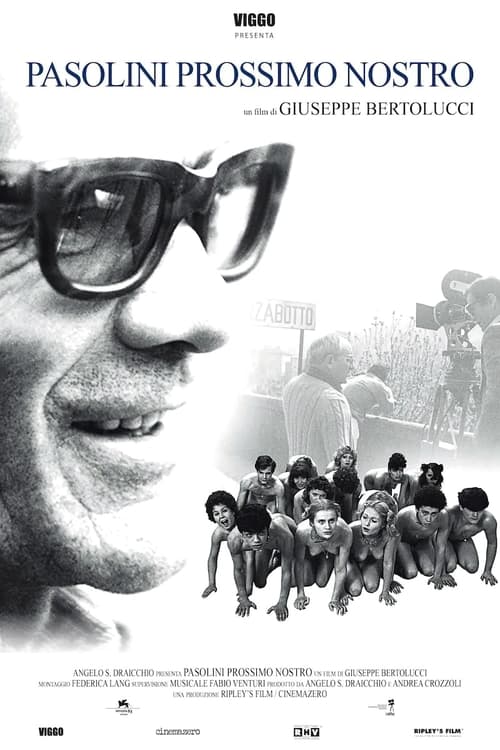
Giuseppe Bertolucci
Runtime
58 minutes
Average Rating
No ratings yetNew Showbiz Analysis
Giuseppe Bertolucci’s documentary is a sophisticated intellectual study that uses Pasolini’s life to challenge mainstream cultural narratives. It weaves together queer theory and Marxist critiques to question the dominance of Western modernity. The film excels in its deep exploration of non-straight relationships and its critique of systemic institutional power. It moves beyond simple biography to offer a profound reflection on how identity intersects with social critique. While the film provides a rich socio-cultural perspective, its focus remains primarily within a Mediterranean context. This limits its demographic breadth compared to its deep thematic engagement with class and culture.
Category Breakdown
The film centers on Pasolini's queer identity, exploring the tension between his personal experiences and the straight-centered expectations of mid-20th-century Italy.
It examines Pasolini’s subversions of traditional gender roles in his films, emphasizing intellectual empowerment over submissive or domestic archetypes. Gender is presented through a lens of complexity.
Diversity is shown through socio-cultural lenses, focusing on underrepresented subcultures and the peasantry. The film challenges bourgeois norms by centering those displaced by modernization.
The film rigorously critiques the Catholic Church and bourgeois morality. It portrays consumerism as a destructive force that undermines authentic community and human connections.
There is no significant evidence of visible or invisible disabilities being portrayed as central themes.
Present on Screen
Limited or Absent
Official Synopsis
We are on the set of "Salò or the 120 days of Sodom". Pasolini lets a small camera team led by the journalist Gideon Bachmann follow him around engaging him in a long and extraordinary interview/conversation. The interview turns into a long, clear-sighted and violent attack on society that accompanies photos of the set in a surprising juxtaposition of film and reality, revealing Pasolini's metaphorical portrait of modernity.
2008
1965
1985
2003
2020
2006
1981
2000
No reviews yet. Be the first to share your thoughts on this movie!
Use the rating form above to leave a star rating and optional review.