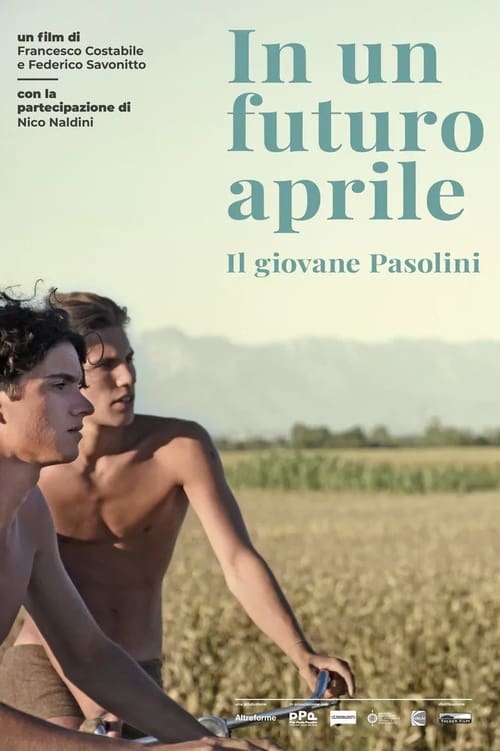
In a Future April: The Young Pasolini
2020
No user ratings available yet
Representation score: 6.8 out of 10

Representation Score
Fair
2000
TDirector
Daniele Ciprì, Franco Maresco
Runtime
18 minutes
Average Rating
No ratings yetNew Showbiz Analysis
Arruso serves as a transgressive film that rejects polished historical narratives. By focusing on the intersection of queer identity and Pasolini's legacy, the directors emphasize fragmented, subjective truths over objective records. The film's strength lies in its refusal to offer mainstream social comforts. Instead, it delves into the complex and sometimes dissonant realities of underrepresented interpersonal histories through a non-conformist lens. However, its scope is inherently limited by its focus on historical figures and a localized Sicilian context.
Category Breakdown
The film focuses on queer intimacy and identity through imagined interviews, exploring non-traditional romantic connections and personal experiences.
The work challenges traditional gender roles by focusing on a male-centric queer history outside the typical family structure. However, the documentary format restricts the exploration of broader gender issues.
Set in Palermo, the film provides a localized perspective that highlights specific Sicilian identities, avoiding mainstream Western biographical styles.
The film critiques religious certainty by embracing existential skepticism and moral relativism. It uses Pasolini's outsider status to challenge systemic social and religious institutions.
There is no significant portrayal of physical or neurodivergent disabilities in this work.
Present on Screen
Limited or Absent
Official Synopsis
In relation to some of Pasolini's visits to Palermo for this last film, in 2000 Ciprì and Maresco shot Arruso, which begins with a phrase by Pasolini ("I banished the word hope from my vocabulary") and consists of imaginary interviews with some local characters who are presumed to have had homosexual relationships with the director. The two record the testimonies, sometimes affectionate others less, of those who had the opportunity to meet him and know the trends on the occasion of that trip.
2020
1965

1985
2006

1981

2008

2004

2016
No reviews yet. Be the first to share your thoughts on this movie!
Use the rating form above to leave a star rating and optional review.