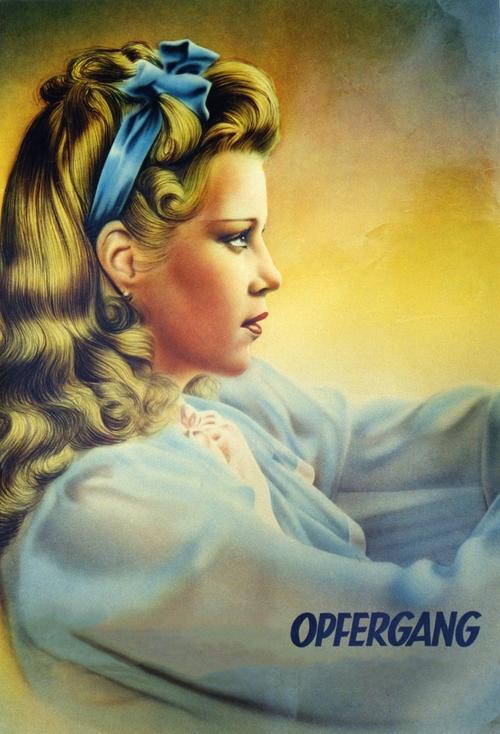
The Great Sacrifice
1944
No user ratings available yet
Diversity score: 1.0 out of 10
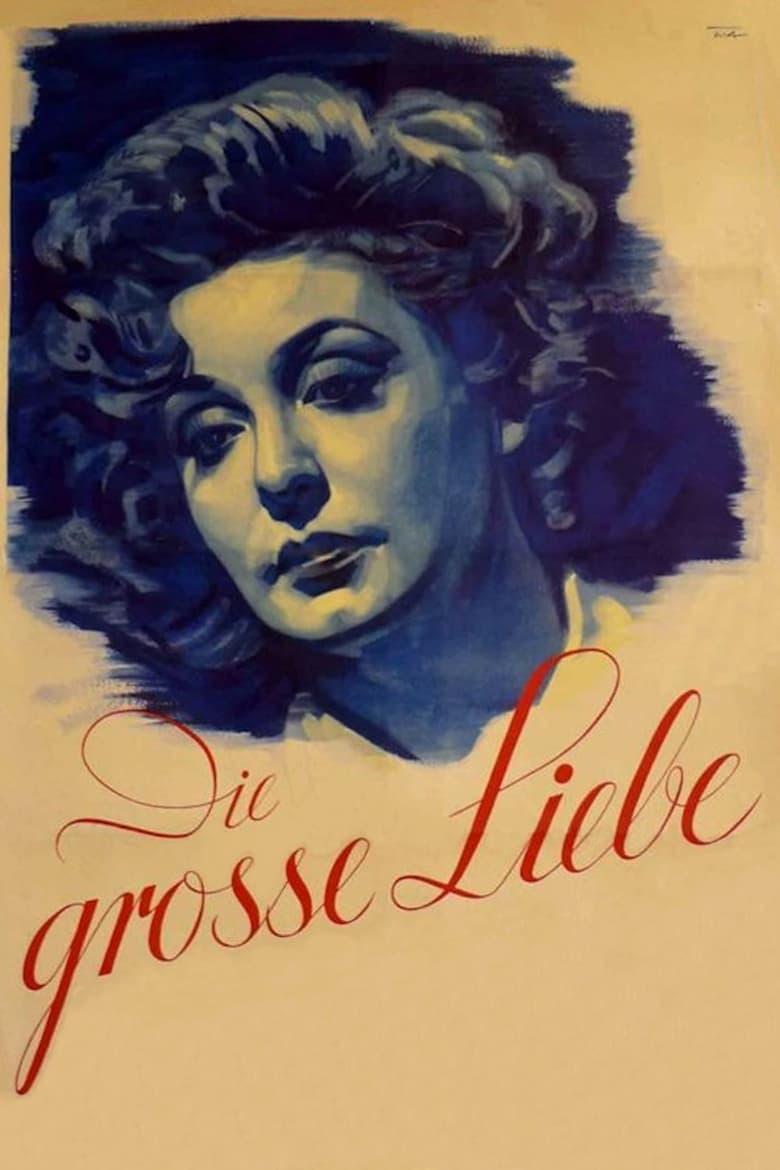
1942
Director
Rolf Hansen
Runtime
100 minutes
Average Rating
No ratings yetSynopsis
The attractive Oberleutnant Paul Wendlandt is stationed in North Africa as a fighter pilot. While in Berlin to deliver a report he is given a day's leave, and on the stage of the cabaret theatre "Skala" sees the popular Danish singer Hanna Holberg. For Paul it is love at first sight. When Hanna visits friends after the end of the performance, he follows her, and speaks to her in the U-Bahn. After the party in her friends' flat, he accompanies her home and chance throws them further together when an air raid warning forces them to take cover in the air raid shelter. Hanna reciprocates Paul's feelings, but after a night spent together Paul has to return immediately to the front. There now follows a whole series of misunderstandings, and one missed opportunity after another. While Hanna waits in vain for some sign of life from Paul, he is flying on missions in North Africa. When he tries to visit her in her Berlin flat, she is giving a Christmas concert in Paris.
Overall Score
Minimal
Category Breakdown
LGBTQ+ Representation
The film follows a strictly heteronormative trajectory. The central conflict relies on a traditional romantic bond between a male officer and a female performer.
Gender Representation
Hanna Holberg possesses professional agency as a singer, yet her arc remains tethered to her romance. Power dynamics favor the male protagonist's high-stakes military agency.
Racial & Ethnic Diversity
The social landscape is highly homogeneous. The cast reflects Eurocentric standards of the era, with no visible inclusion of non-white characters in roles of agency.
Religious & Cultural Diversity
The narrative reinforces traditional Western values and military hierarchy. It frames personal sacrifice within a framework of national necessity and social stability.
Disability Representation
There is no discernible representation of physical or neurodivergent disabilities. Characters function as able-bodied archetypes within a romantic drama.
Strengths
Areas for Improvement
AI Analysis
The Great Love functions as a reinforcement of the social status quo through a traditionalist lens. It relies on conventional romantic tropes and maintains a homogeneous view of identity, gender, and culture typical of its 1942 release. While the female lead shows professional success, the narrative structure prioritizes military duty and heteronormative romance. The film lacks any intentionality to challenge the systemic power dynamics or the Eurocentric standards of the period.
1944

1936
1939
1942

1934
1932

1934
1956

1994
1933
1957

1941
No reviews yet. Be the first to share your thoughts on this movie!
Use the rating form above to leave a star rating and optional review.