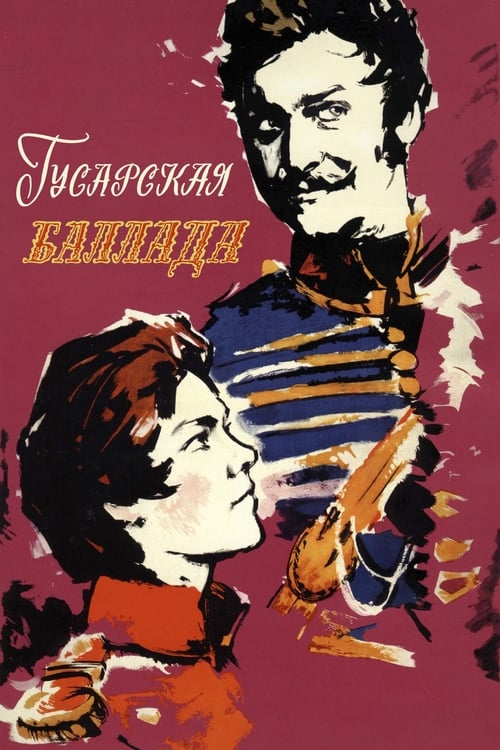
Ballad of a Hussar
1963
No user ratings available yet
Representation score: 5.7 out of 10
Representation Score
Fair
1959
Director
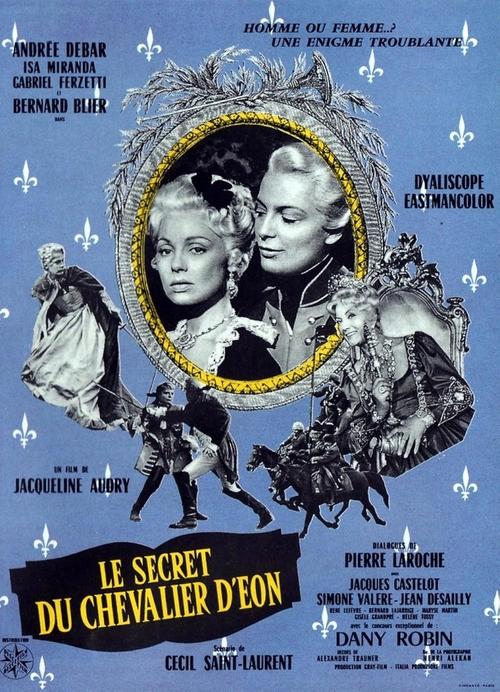
Jacqueline Audry
Runtime
98 minutes
Average Rating
No ratings yetNew Showbiz Analysis
The film offers a sophisticated look at gender performativity, using the 'disguised hero' cliché to critique the systemic limitations placed on women. Geneviève's journey from a hidden daughter to a high-ranking envoy highlights her intellect and ability to act. While the narrative effectively deconstructs gendered power structures, it remains confined by its historical setting, resulting in a lack of racial and ethnic diversity. The film succeeds as a subversive comedy that explores the fluidity of identity, even within a culturally homogeneous period framework.
Category Breakdown
The film features a protagonist who adopts a male persona to navigate the 18th century, challenging traditional gender roles and expectations.
Geneviève showcases superior intellect and tactical skills compared to the men around her, demonstrating that leadership is not determined by biological sex.
The cast reflects the historical homogeneity of 18th-century European aristocracy, focusing primarily on French and Russian elites without much racial blending.
The story critiques patriarchal structures and corrupt inheritance systems, emphasizing the performative nature of identity over traditional family honor or religious morality.
There are no clear depictions of physical or neurodivergent disabilities within the narrative.
Present on Screen
Limited or Absent
Official Synopsis
Burgundy 1728. Old count Antoine d'Eon is overjoyed. His daughter-in-law has finally given birth to a boy and he will at long last be able to transmit his inheritance to his son Pascal. At least this is what he thinks, for Pascal has concealed from his father the fact that his son was ... a daughter, his eighth daughter! Well, enough is enough and Geneviève has no other choice but become a boy first, then a soldier and even the special envoy of Louis XV, King of France, to Catherine II, the Czarina of Russia.
1963
1973

1980
1997
1956
2009
1969
1918
No reviews yet. Be the first to share your thoughts on this movie!
Use the rating form above to leave a star rating and optional review.