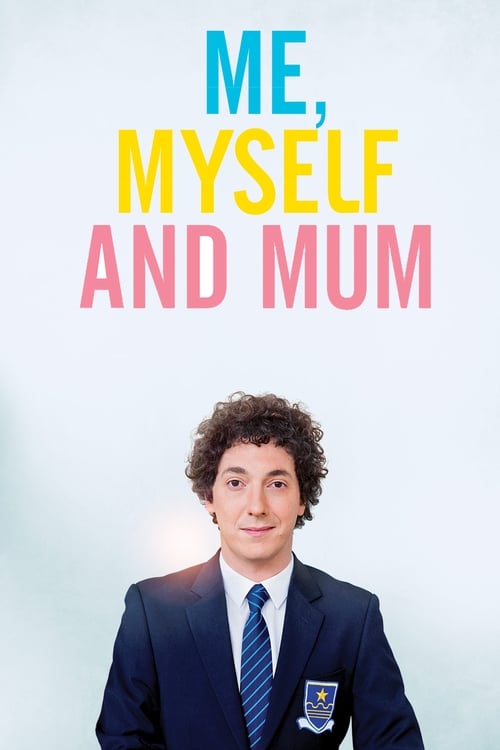
Me, Myself and Mum
2013
No user ratings available yet
Representation score: 8.0 out of 10
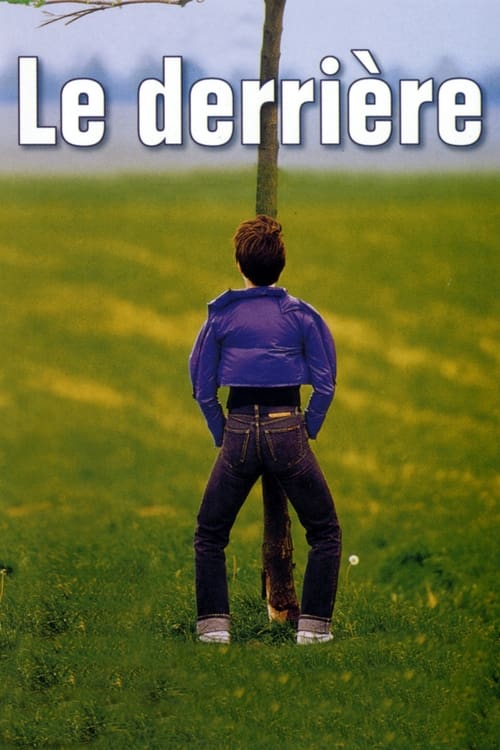
Representation Score
Fair
1999
Director
Valérie Lemercier
Runtime
102 minutes
Average Rating
No ratings yetNew Showbiz Analysis
Valérie Lemercier’s comedy uses a gender-bending premise to explore the fluidity of identity. By placing a female protagonist in a male-only queer space, the film offers a nuanced look at social performance and the subversion of traditional gender roles. However, the film’s narrow focus on the French upper class limits its engagement with broader racial and ethnic diversity. Ultimately, the film is a study of masks, deconstructing social hierarchies and gendered expectations, though it does not delve deeply into multi-layered or racial issues.
Category Breakdown
The film focuses on queer social environments and the performance of gender identity. It explores non-traditional gender expressions and the complexities of gay social circles through the protagonist's adoption of a masculine persona.
The narrative challenges traditional gender roles by emphasizing a woman's journey of self-discovery. It portrays masculinity as a performative act rather than a biological fact through the 'Frédéric' persona.
The film seems to be a localized comedy centered around the French upper class. The setting and cast reflect a homogeneous social environment with little indication of diverse racial backgrounds.
The story critiques the superficiality and vanity of Western bourgeois institutions. It views identity as a fluid, subjective performance rather than a fixed social or moral constant.
There is no evidence of visible or invisible disabilities being used as central plot devices or character themes.
Present on Screen
Limited or Absent
Official Synopsis
Frédérique's mother has died recently leaving her the family stud farm. She's never met her father, doesn't even know his name. But she finds it on the back of an old photo. She sets off for Paris. She stays with her gay dancer pal Marc. Marc and friends decide to go to their favourite gay bar... but it's men only. So Frédérique becomes Frédéric, an effeminate gay boy... Frédérique follows her father. Pierre Arroux is an art curator - and gay. She introduces herself to him, but as Frédéric. So while Frédéric is quite an awkward young man and an embarrassment to his father, Frédérique is secretly meeting with her old boyfriend now living in Paris..
2013
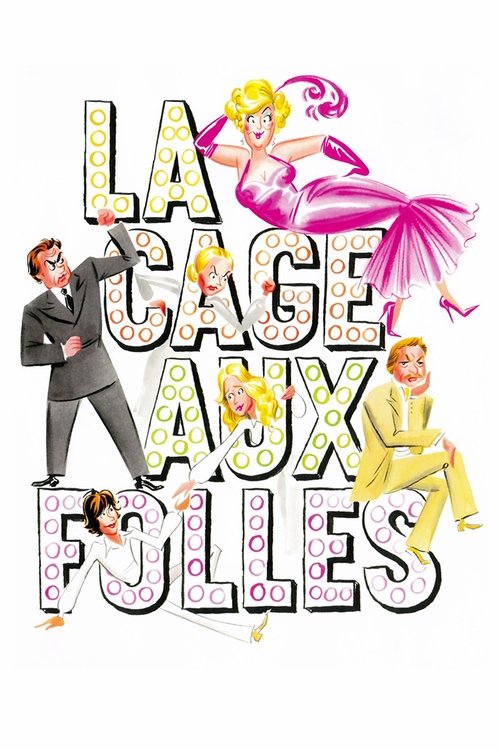
1978

1995

2014
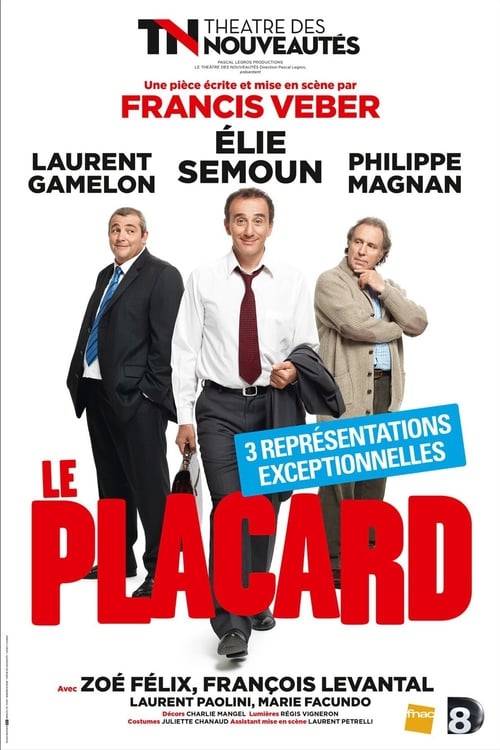
2015
2005
2023
1996
No reviews yet. Be the first to share your thoughts on this movie!
Use the rating form above to leave a star rating and optional review.