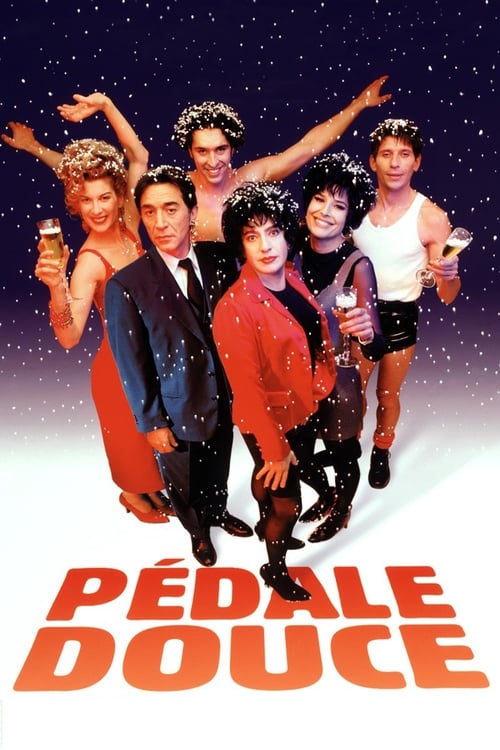
What a Drag
1996
No user ratings available yet
Representation score: 5.0 out of 10

Representation Score
Fair
2015
Director
Dominique Thiel
Runtime
85 minutes
Average Rating
No ratings yetNew Showbiz Analysis
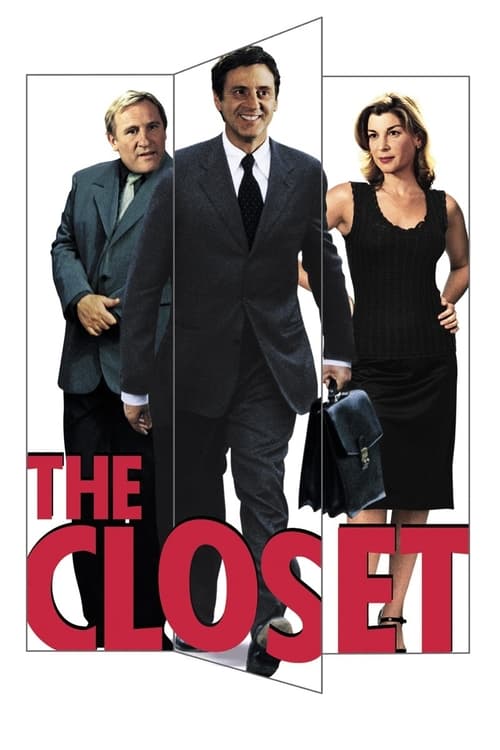
Le Placard operates as a sharp social satire that examines the performative nature of identity. By focusing on a protagonist who creates a persona to avoid termination, the film highlights the intersection of identity politics and institutional behavior. While the film effectively challenges traditional masculine clichés and corporate rigidity, it remains limited in scope. The narrative lacks significant racial diversity and fails to engage deeply with gendered power structures beyond the male protagonist's experience. Ultimately, the film's value lies in its commentary on how social identities are utilized within modern professional environments, even if its demographic reach is narrow.
Category Breakdown
The film portrays a protagonist who adopts a non-straight identity to navigate modern social protections and professional security. This coming-out process is used strategically for corporate survival.
The story challenges traditional masculine stereotypes through a shy, discreet protagonist. However, it does not delve deeply into gender hierarchies or provide substantial development for female characters.
The narrative seems to take place in a relatively homogeneous social environment. There is no indication of a multi-ethnic ensemble or diverse casting driving the plot.
The film critiques modern institutional structures and workplace political correctness. It looks at how social identities can be used to challenge traditional corporate power dynamics and authority.
The film does not depict physical or neurodivergent disabilities.
Present on Screen
Limited or Absent
Official Synopsis
François Pignon, an accountant in a condom factory, learns that he is going to be fired. Already overwhelmed by personal problems, he decides to throw himself out the window. He is stopped in his tracks by his next-door neighbor who suggests an unexpected plan to keep his job: pretend to be a homosexual. Assuming that in this age of political correctness, one does not fire a gay man, he manages to convince Pignon to play along while remaining a discreet and shy little man... What will change is the way others look at him. Pignon will thus benefit from an unusual reintegration by coming out of a closet where he had never entered.
1996
1978
2001

2013

2016

1997

1999

2012
No reviews yet. Be the first to share your thoughts on this movie!
Use the rating form above to leave a star rating and optional review.