
Una madre pura... y otra pura madre
2017
No user ratings available yet
Representation score: 4.3 out of 10
Representation Score
Fair
2018
Not RatedDirector
Niclas Bendixen
Runtime
90 minutes
Average Rating
No ratings yetNew Showbiz Analysis
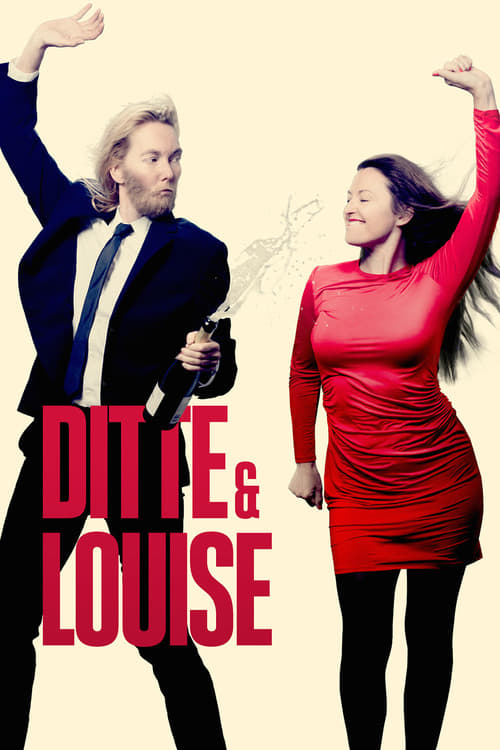
Ditte & Louise is a character-driven exploration of autonomy that prioritizes queer identity and the subversion of gendered roles. By centering on a lesbian relationship, the film challenges assumptions about straight relationships and uses the protagonists' connection to drive the plot. The film effectively critiques the patriarchal limitations of the acting industry, where women are often confined to narrow archetypes. Ditte’s use of masculine presentation provides a significant disruption of traditional gender norms. However, the film's progressive impact is limited by a lack of racial diversity. The predominantly white cast results in a narrow narrative scope regarding ethnic diversity.
Category Breakdown
The film focuses on a lesbian relationship, making queer intimacy central to the story. It goes beyond simple inclusion to explore the complexities of maintaining a relationship while facing social constraints.
The story challenges traditional gender roles by emphasizing female empowerment against a patriarchal industry. Ditte’s choice to adopt a more masculine appearance disrupts gender norms to overcome professional barriers.
The production features a predominantly white, cisgender cast. The absence of diverse ethnic representation limits the film's diversity profile in this category.
The narrative critiques restrictive socioeconomic structures by framing rebellion as a quest for freedom. It prioritizes individual desire and autonomy over traditional Western social stability.
The film explores mental and emotional vulnerability but does not specifically address visible or invisible disabilities. Struggles are framed through socioeconomic and romantic instability.
Present on Screen
Limited or Absent
Official Synopsis
Ditte and Louise are two middle-aged actresses who realize that the only thing the industry has left to offer them are roles like mothers or as elderly prostitutes. That is why Ditte makes a radical decision: She dresses up like a man.
2017
2013
2011
2015
1956
2005
2014

2022
No reviews yet. Be the first to share your thoughts on this movie!
Use the rating form above to leave a star rating and optional review.