
An Italian in America
1967
No user ratings available yet
Representation score: 5.1 out of 10

Representation Score
Good
1973
Director
Pasquale Festa Campanile
Runtime
110 minutes
Average Rating
No ratings yetNew Showbiz Analysis
Little Funny Guy uses comedic farce to explore themes of social mobility and identity. The protagonist's decision to cross borders while disguised as a woman serves as a key mechanism for both advancing the plot and challenging 1970s gender norms. The film effectively highlights the disruptive nature of migration and the fragmentation of the traditional family unit. It emphasizes individual empowerment over reinforcing established social or religious structures. However, the film's impact is constrained by its reliance on comedic clichés. The focus remains on Mediterranean migration and class issues, with little exploration of racial diversity or deeper identity beyond humor.
Category Breakdown
The film features a character who disguises themselves as a woman to create comedic situations. This disguise challenges traditional gender norms and highlights the character's non-traditional gender expression.
The movie breaks down traditional gender roles by having the male lead adopt a female persona to gain independence. This shift from strict masculine norms challenges the era's expectations of male behavior.
The story focuses on the immigrant experience and the pursuit of the American Dream. However, there is no indication of a diverse cast or significant exploration of multiple racial backgrounds.
The plot examines the breakdown of the traditional family structure after the father abandons his family. It portrays the immigrant's journey as a struggle against systemic obstacles rather than a celebration of cultural stability.
There is no information about the portrayal of physical or cognitive disabilities in this film.
Present on Screen
Limited or Absent
Official Synopsis
Movie starts with a small boy watching his father boarding a ship to America. Years later, all grown up and in colour, Pippolo Cavallo (Adriano Celentano) takes the same route (dressed as a woman) to search for his father and begin a new life.
1967
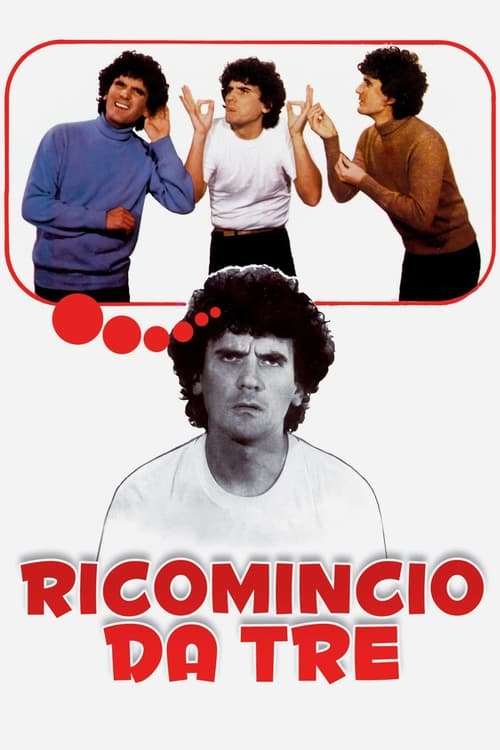
1981

1981
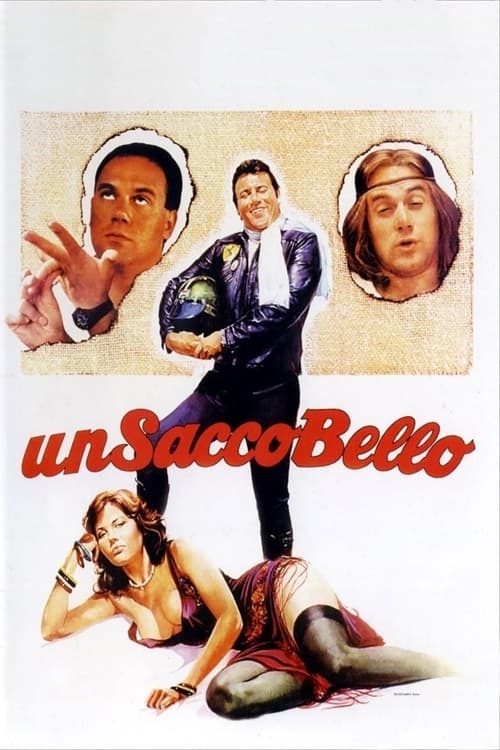
1980
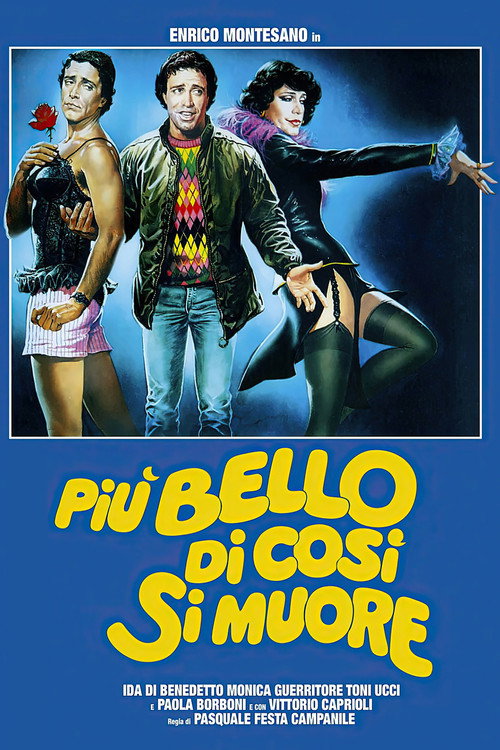
1982
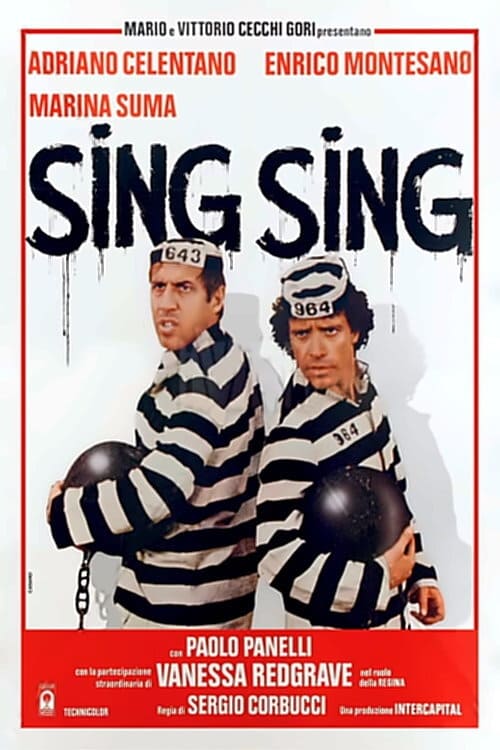
1983

1968
1996
No reviews yet. Be the first to share your thoughts on this movie!
Use the rating form above to leave a star rating and optional review.