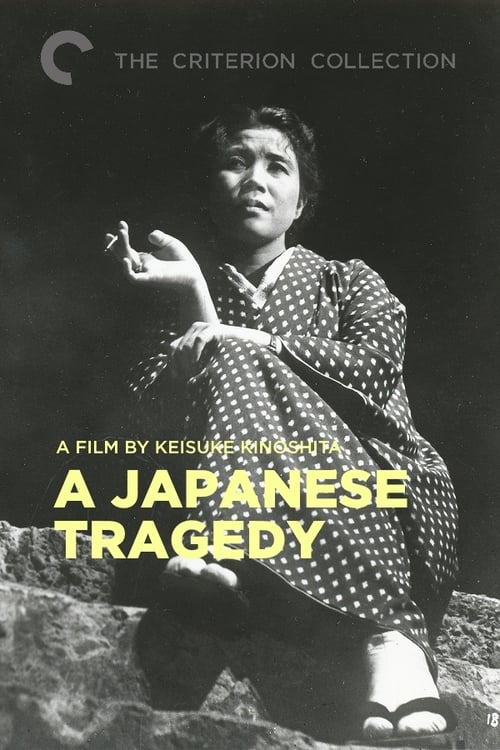
A Japanese Tragedy
1953
No user ratings available yet
Diversity score: 4.9 out of 10

1970
PGDirector
Jules Dassin
Runtime
102 minutes
Average Rating
No ratings yetSynopsis
A single mother raises her son in impossible circumstances first in Leningrad, then Krakow, and then France, and is over-ambitious about him but never gives in.
Overall Score
Fair
Category Breakdown
LGBTQ+ Representation
The film lacks evidence of LGBTQ+ characters or non-heteronormative narratives. The story focuses primarily on the maternal bond and the son's development.
Gender Representation
The narrative disrupts patriarchal structures by centering on a single mother. Her ambition and resilience position her as the primary driver of survival rather than a passive trope.
Racial & Ethnic Diversity
The film traverses diverse European geographies including Russia, Poland, and France. While it moves across borders, it does not explicitly confirm a non-white majority cast.
Religious & Cultural Diversity
The story embraces moral complexity by depicting lives shaped by war and shifting borders. It emphasizes survival and human agency over traditional patriotic or religious adherence.
Disability Representation
There is no information available regarding the depiction of physical or neurodivergent characters in this work.
Strengths
Areas for Improvement
AI Analysis
Promise at Dawn is a character-driven drama that explores the resilience of a single mother navigating mid-20th-century geopolitical upheavals. By moving the setting from Leningrad to Krakow and finally to France, the film deconstructs traditional nationalist narratives in favor of a transnational human experience. The film succeeds in subverting passive feminine tropes, presenting a protagonist who actively drives her family's trajectory through impossible circumstances. This focus on gendered agency provides a strong foundation for a complex, systemic exploration of survival. However, the narrative's diversity is limited by its specific European focus and a lack of information regarding racial or disability representation. While it critiques the stability of the nation-state, it remains centered on a specific historical and geographic context.
1953

1950
1975
1949

2011

1934
1936
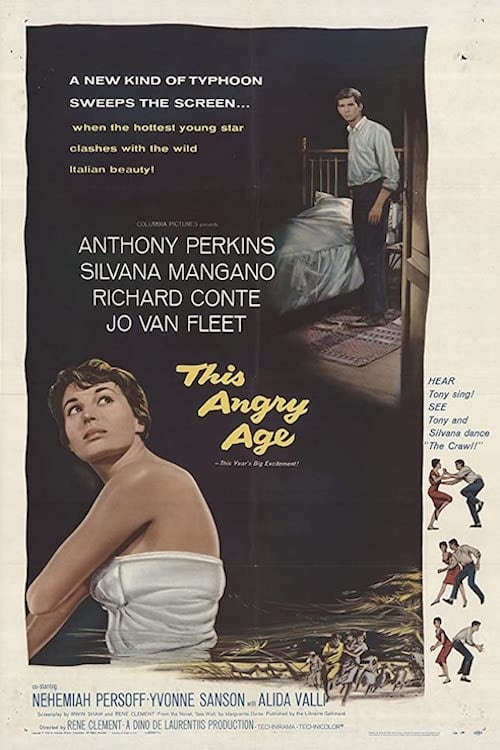
1957
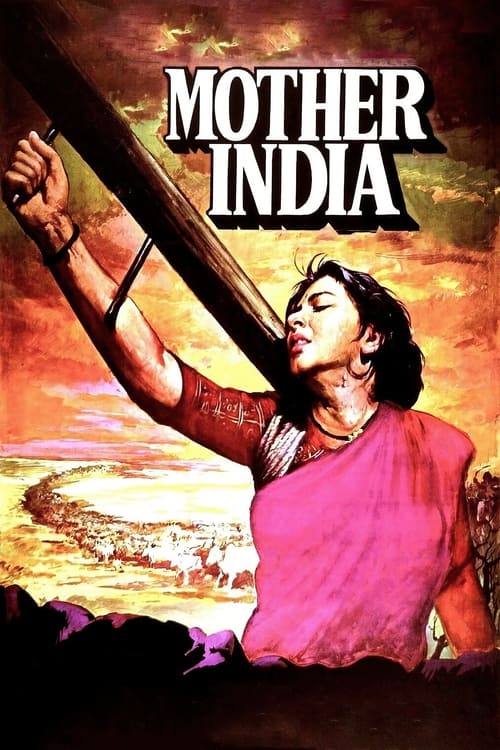
1957

1976

1982

1951
No reviews yet. Be the first to share your thoughts on this movie!
Use the rating form above to leave a star rating and optional review.