
Rob Roy, The Highland Rogue
1953
No user ratings available yet
Representation score: 1.3 out of 10

Representation Score
Minimal
1953
NRDirector
William Keighley
Runtime
90 minutes
Average Rating
No ratings yetNew Showbiz Analysis
The Master of Ballantrae is a classic period adventure that prioritizes historical realism and traditional masculine-driven plot arcs. It functions as a study of fraternal rivalry, relying heavily on established social hierarchies and mid-century cinematic conventions. The film reinforces conventional archetypes rather than challenging them. By focusing on individual honor and the chaos of rebellion within a structured social order, the narrative avoids exploring multiple layers of identity or progressive experimentation. Ultimately, the work serves as a representative example of 1950s storytelling, where character roles are largely tied to traditional gender roles and a homogeneous cultural backdrop.
Category Breakdown
The film focuses on traditional romantic and fraternal connections, without including non-cisgender identities or same-sex intimacy.
Women in the film primarily serve as domestic anchors or romantic motivators. They do not play a significant role in driving the central conflict, which centers around masculine struggles over honor and passion.
The cast is ethnically homogeneous, reflecting the 18th-century Scottish setting. The film maintains an Anglo-centric focus without introducing diverse perspectives or using color-blind casting.
The story emphasizes themes of lineage and aristocratic stability within a Western framework. It does not critique traditional institutions or offer any challenges to religious morality.
There is no significant depiction of physical or neurodivergent characters. Consequently, there is no meaningful way to assess character's ability to drive the story or the use of disability clichés.
Present on Screen
Limited or Absent
Official Synopsis
Scottish highlander Jamie Durie falls into a life of piracy after joining the failed rebellion of Bonnie Prince Charlie against the British crown.
1953

1955
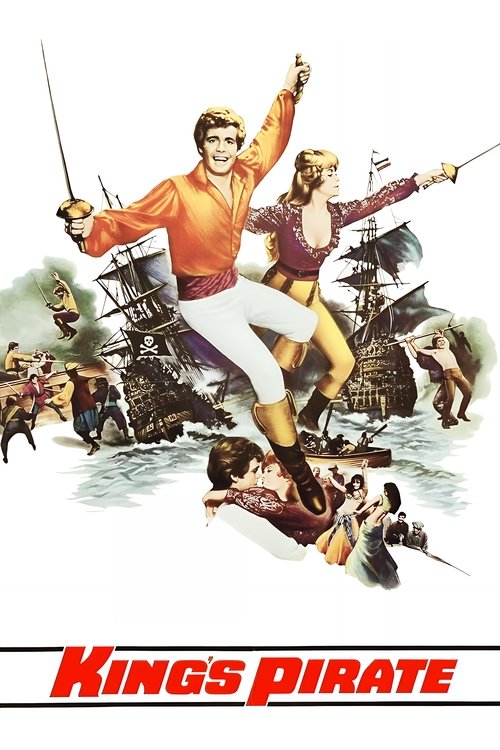
1967
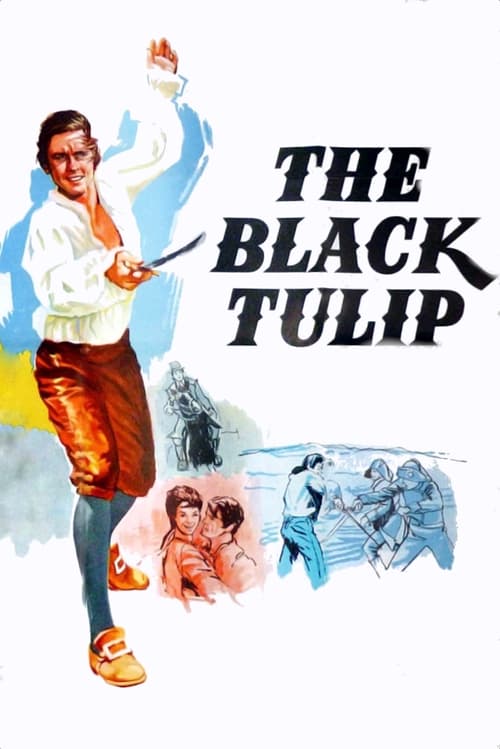
1964
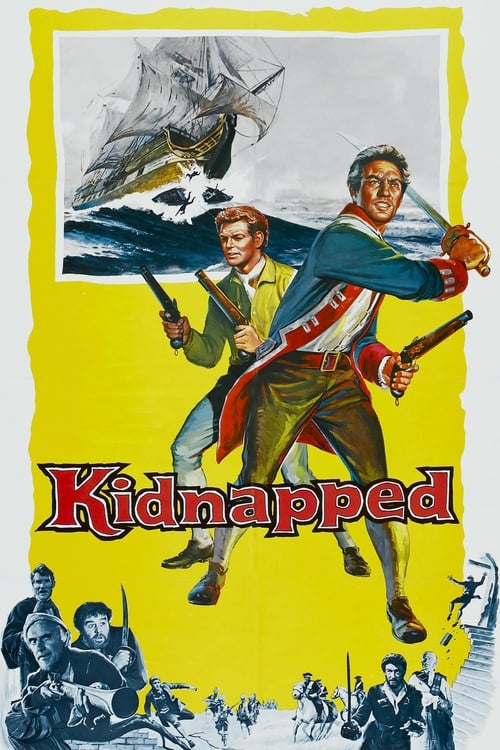
1960
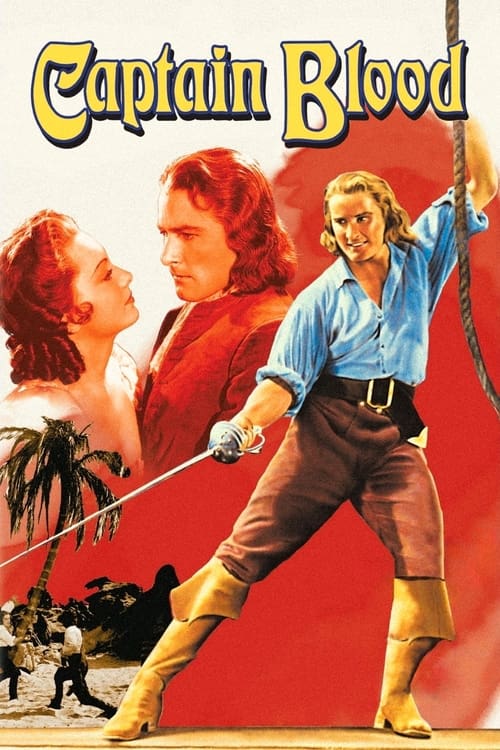
1935
1971
1935
No reviews yet. Be the first to share your thoughts on this movie!
Use the rating form above to leave a star rating and optional review.