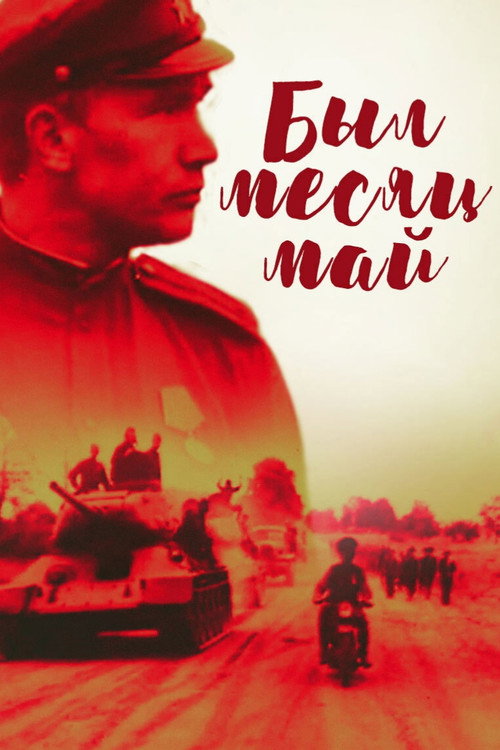
It Was In May
1970
No user ratings available yet
Representation score: 2.8 out of 10
Representation Score
Minimal
1959
Director
Stanislav Rostotsky
Runtime
95 minutes
Average Rating
No ratings yetNew Showbiz Analysis
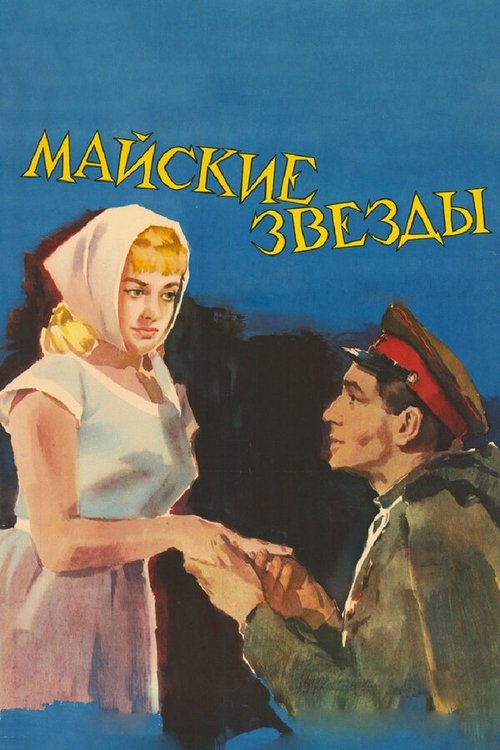
May Stars is a lyrical ensemble piece that prioritizes historical communalism over identity-driven narratives. It uses individual stories to explore the transition from wartime trauma to the hope of peace in post-war Prague. The film operates within a traditional framework of national identity and historical heroism. While it offers a nuanced look at the human condition through various archetypes, it lacks subversive or multi-layered elements. Ultimately, the work emphasizes social cohesion and the sanctity of peace, focusing on the collective triumph of liberation rather than diverse individual perspectives.
Category Breakdown
The film does not include any non-straight or non-cisgender identities. It focuses on traditional romantic relationships and the shared experience of wartime liberation.
The story centers on Soviet soldiers and ordinary people, emphasizing masculine roles. However, themes of unexpected love suggest room for women's emotional experiences.
The film shows interactions between Soviet soldiers and Czech civilians, serving as a proxy for ethnic and cultural diversity within the 1945 geopolitical context.
The narrative is grounded in era-specific values like patriotism and collective memory. It reinforces traditional institutions and a shared sense of honor for those who fell.
There is no specific evidence of the portrayal of physical or neurodivergent disabilities in the film.
Present on Screen
Limited or Absent
Official Synopsis
May 1945. On the outskirts of Prague, ordinary people meet Soviet soldiers-liberators with tears of joy in their eyes. In the early days of the lull, someone sadly recalls a pre-war life; someone unexpectedly meets his love; someone is returning from enemy dungeons looking hopefully into the future; and someone, having moved from a tank into a Czech tram, warmly recalls his craft as a car driver... These days, all those who survived the Great War fire swear an oath to keep peace on Earth forever, honoring the memory of those who gave their lives for simple human happiness.
1970

1959
1959
1962
1949
1954
1976
1966
No reviews yet. Be the first to share your thoughts on this movie!
Use the rating form above to leave a star rating and optional review.