Find another title
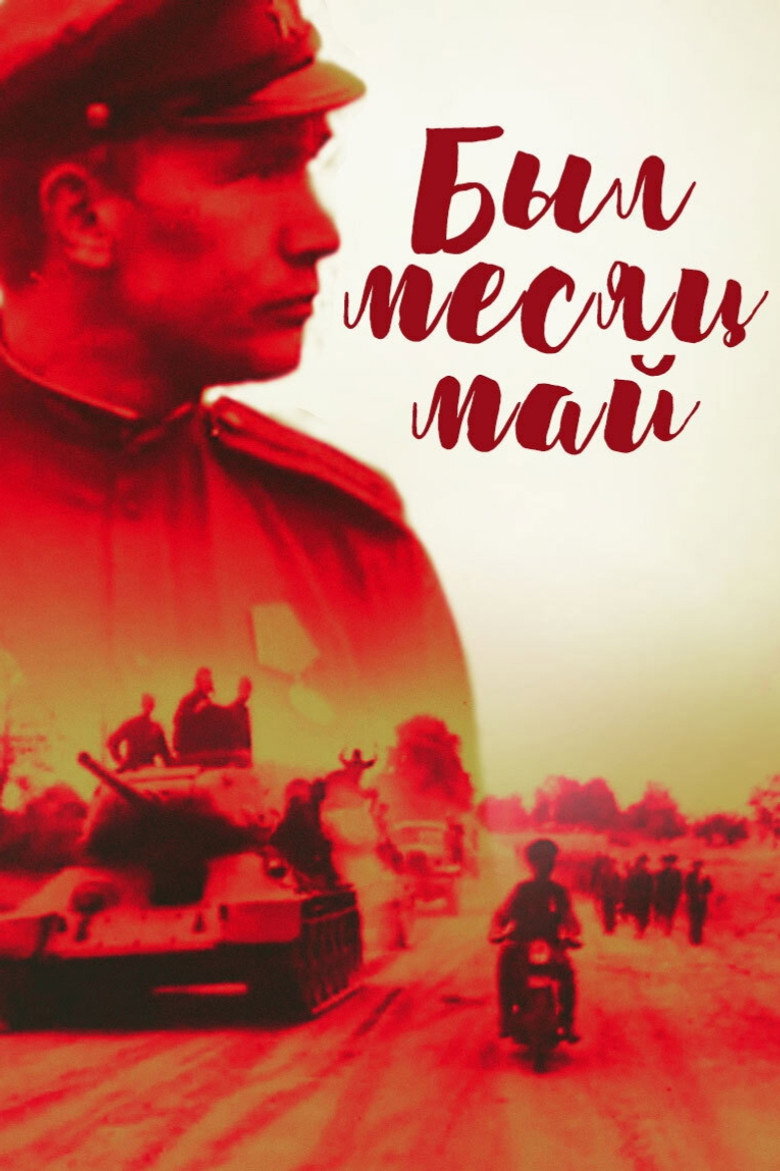
It Was In May
1970
Director
Marlen Khutsiyev
Runtime
110 minutes
Average Rating
No ratings yetSynopsis
A few days after the unconditional surrender of German troops, a group of Soviet soldiers is billeted at a farmyard which the war somehow never seems to have reached. This apparently peaceful picture is eerily undermined when the Red Army soldiers are confronted with the full extent of Nazi terror.
Where to Watch
Diversity & Representation
Overall Score
Limited
Category Breakdown
LGBTQ+ Representation
The film contains no evidence of non-heteronormative identities or queer narratives. The story focuses on the visceral impact of war and interpersonal connections within a Soviet military context.
Gender Representation
Female characters are granted psychological depth and agency rather than serving as mere background symbols. This approach disrupts traditional tropes of women as simple victims or patriotic icons.
Racial & Ethnic Diversity
The narrative focuses on a specific farmyard and Red Army soldiers, reflecting the homogeneous casting common to regional Soviet dramas of this era. No significant non-Anglo-Saxon majority casting is documented.
Religious & Cultural Diversity
The film prioritizes subjective morality and existential struggle over religious or state dogma. It emphasizes humanistic values and the fragility of human structures through a poetic cinematic lens.
Disability Representation
There is no documented evidence of characters with visible or invisible disabilities serving as central agents or plot drivers in this work.
Strengths
- Disrupts traditional war movie tropes by focusing on the psychological depth and agency of female characters.
- Replaces state-driven propaganda with a sophisticated, humanistic approach to individual emotional landscapes.
- Utilizes a poetic cinematic language to explore subjective morality and existential struggle.
Areas for Improvement
- Lacks representation of LGBTQ+ identities or non-heteronormative narratives.
- Shows limited racial and ethnic diversity, reflecting the homogeneous casting of the era.
- Provides no documented representation of characters with visible or invisible disabilities.
AI Analysis
Marlen Khutsiyev’s work moves away from the rigid, didactic structures of Socialist Realism to focus on psychological interiority. By prioritizing the individual's emotional landscape, the film offers a more nuanced, humanistic perspective than typical state-mandated war epics. However, the film lacks specific demographic markers. It does not feature LGBTQ+ representation or characters with disabilities, and the casting appears largely homogeneous, reflecting the era's regional focus. This limits its intersectional breadth. Ultimately, the film's value lies in its departure from heavy-handed propaganda. It functions as a lyrical character study that explores the human condition through personal trauma rather than patriotic triumphalism.
Rate this Movie
Reviews
No reviews yet. Be the first to share your thoughts on this movie!
Use the rating form above to leave a star rating and optional review.