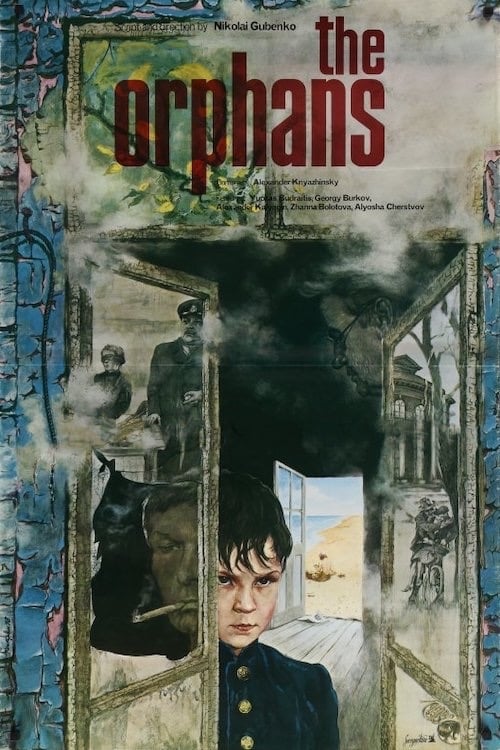
The Orphans
1977
No user ratings available yet
Representation score: 4.4 out of 10
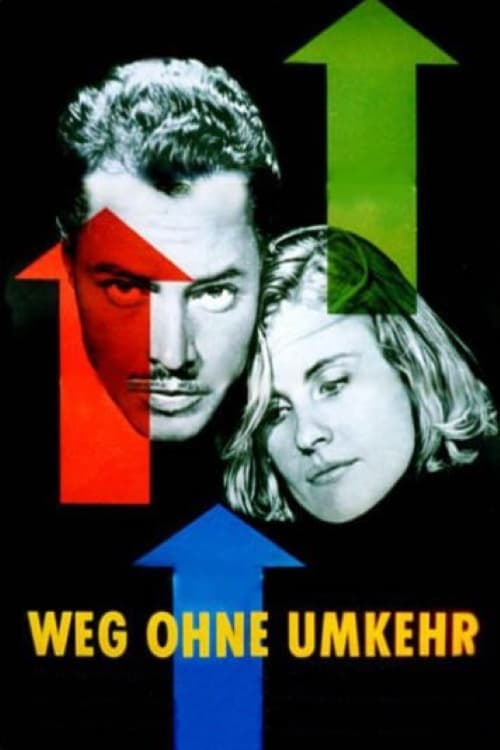
Representation Score
Limited
1954
Director
Victor Vicas
Runtime
95 minutes
Average Rating
No ratings yetNew Showbiz Analysis
No Way Back is a mid-century psychological drama that emphasizes individual memory and the trauma of war. The film operates within the traditional narrative constraints of 1954, focusing on a singular male perspective rather than a diverse ensemble. While the film provides a non-Hollywood perspective by centering on Eastern European and Russian identities, it does not explore multi-layered complexity. The characters and themes align with the established cinematic norms of the post-war European period. Ultimately, the film functions as a character study of a soldier's past, lacking the representation of underrepresented identities or the disruption of social hierarchies necessary for a higher diversity rating.
Category Breakdown
The film does not feature any LGBTQ+ characters or non-straight relationships. The story revolves around a romantic memory, sticking to traditional structures.
The story centers on a male Russian army officer and his emotions. The female character serves mainly as an emotional catalyst but does not have much defined influence.
The film focuses on Eastern European and Russian identities. It lacks multi-ethnic ensembles or characters who reflect more than one aspect of diversity of different races.
The story explores post-war sadness and the mental burden of conflict. It follows the conventional dramatic weight of its time.
There is no information about the portrayal of physical or neurodivergent disabilities in this work.
Present on Screen
Limited or Absent
Official Synopsis
A Russian army officer is haunted by the memory of a girl he met during the war.
1977

1959
1964
1970

1984
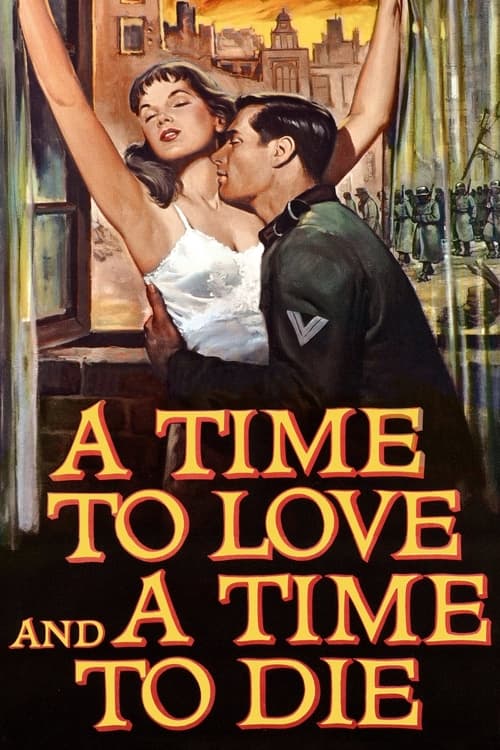
1958
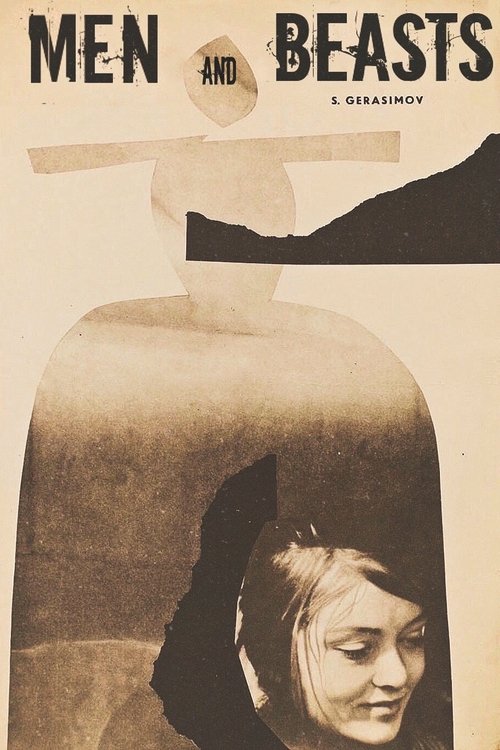
1962
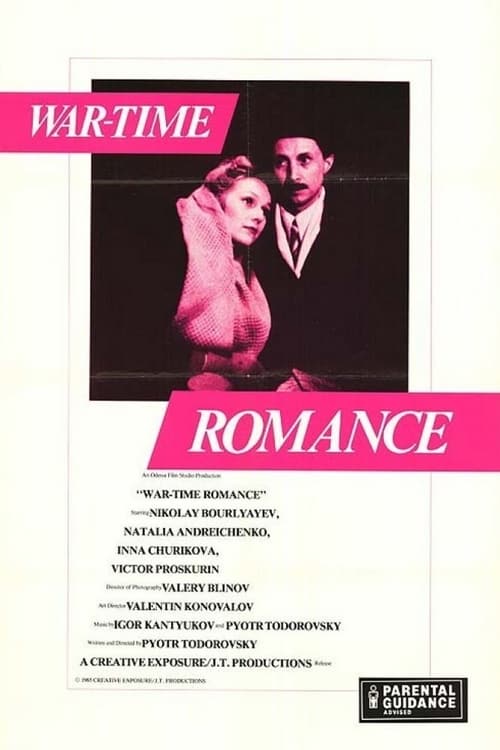
1983
No reviews yet. Be the first to share your thoughts on this movie!
Use the rating form above to leave a star rating and optional review.