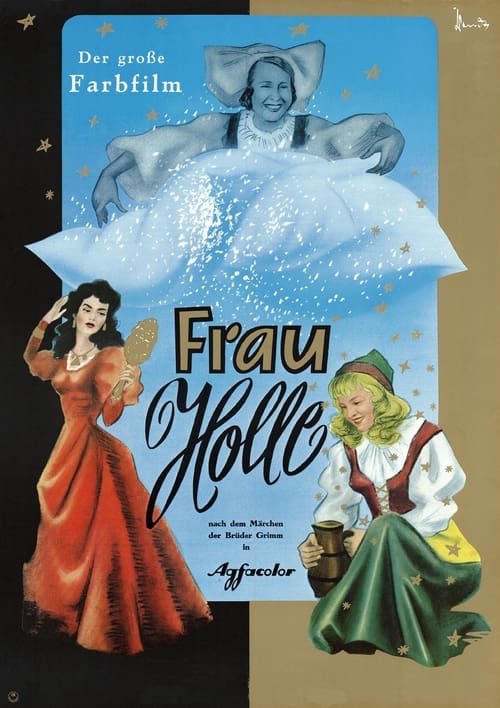
Mother Holly
1954
No user ratings available yet
Representation score: 0.4 out of 10
Representation Score
Minimal
1955
Director
Fritz Genschow
Runtime
79 minutes
Average Rating
No ratings yetNew Showbiz Analysis
Fritz Genschow’s adaptation of the classic German children's book functions as a didactic tool for social and moral conformity. The film relies on extreme, punitive consequences to enforce obedience, reinforcing existing hierarchies rather than challenging them. The production is deeply traditionalist, presenting a singular, homogeneous view of mid-19th-century European life. It lacks any characters who reflect more than one aspect of diversity, focusing instead on the restoration of social stability through miraculous or divine intervention. Ultimately, the film upholds established cultural and social norms through a rigid, moralistic lens.
Category Breakdown
There are no visible or implied LGBTQ+ characters in the film. The narrative focuses solely on traditional family and social structures.
Characters are defined using a strict binary of boys and girls, reinforcing traditional gender roles and hierarchies through discipline.
The cast and setting are uniformly white and European, presenting a single ethnic normative view of the period.
The story emphasizes obedience to parental and social authority, using religious motifs to reinforce a traditional moral order.
Physical trauma is used as a plot device for moral lessons. There is no meaningful representation of neurodivergence or chronic illness.
Present on Screen
Limited or Absent
Official Synopsis
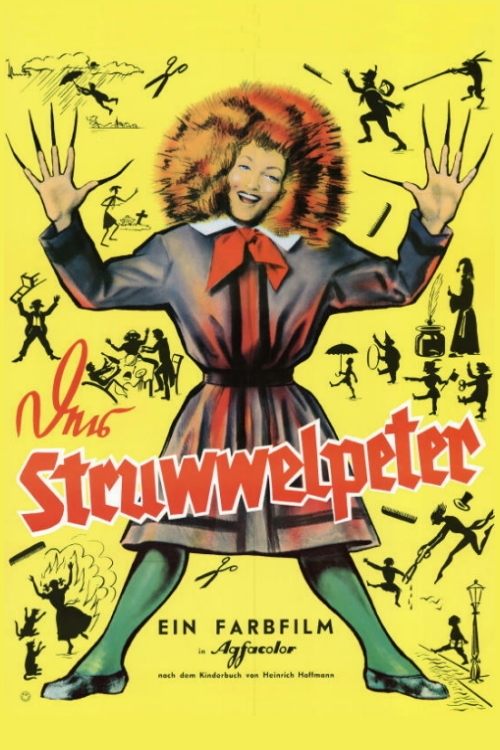
Der Struwwelpeter is a popular German children's book. It comprises of ten illustrated and rhymed stories, mostly about children. Each has a clear moral that demonstrates the disastrous consequences of misbehavior in an exaggerated way. Writer/director Fritz Genschow adapted Hoffmann's book to the big screen. He made a career doing such films, he had done Hansel and Gretel and would go on to adapt Cinderella, Sleeping Beauty and other family films. Der Struwwelpeter, however, is weirder and darker than the Grimms' tales. They are heavy morality lessons in which children are burned to death, starved to death, or have their thumbs cut off. In Hoffmann's world the punishment usually far outweighs the crime. Genschow provided a happy ending: through the wonders of reverse action children are brought back from their fiery deaths, their thumbs are reattached, and their misdeeds undone through the power of St. Nicholas and some sort of Christmas miracle. (via forcesofgeek.com)
1954
1961
1956
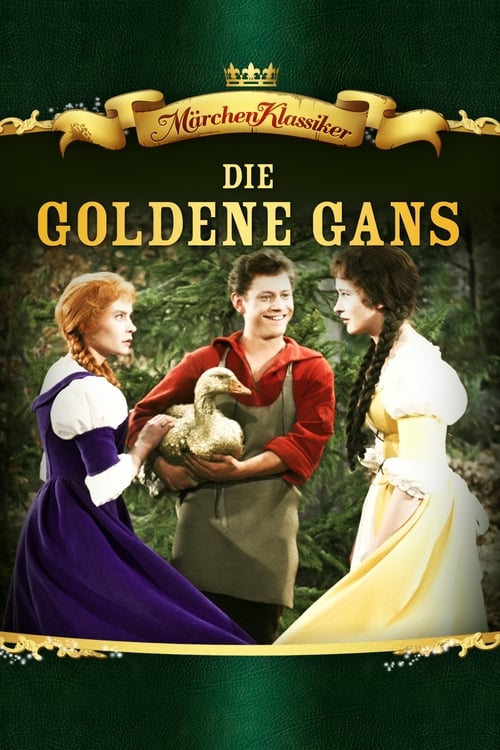
1964

1959
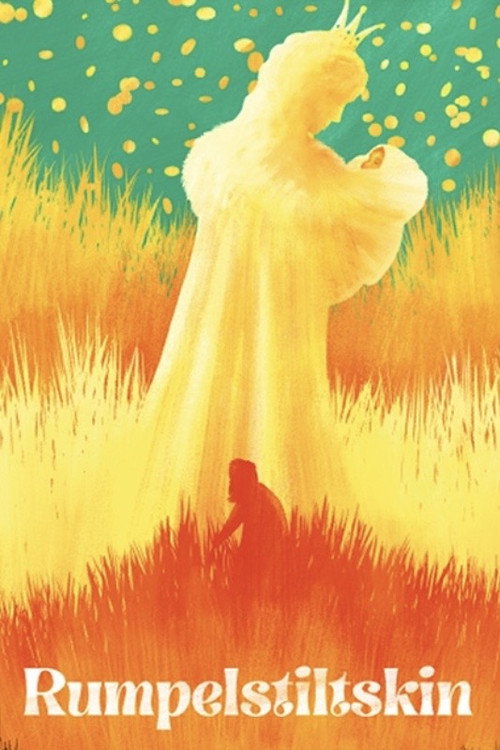
1960
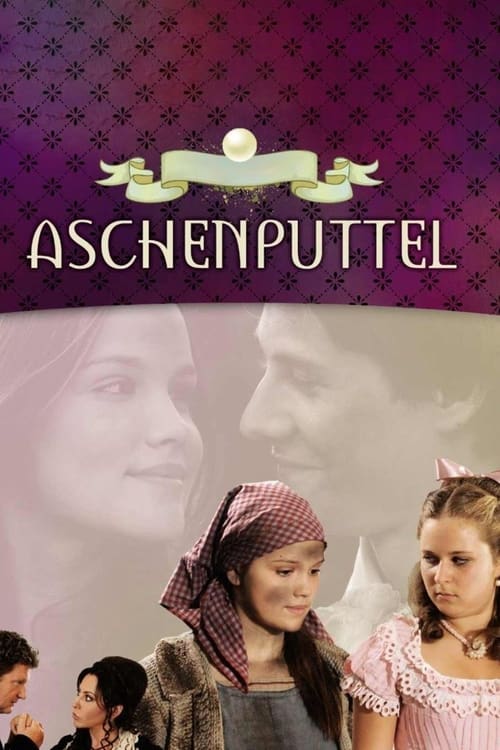
2010
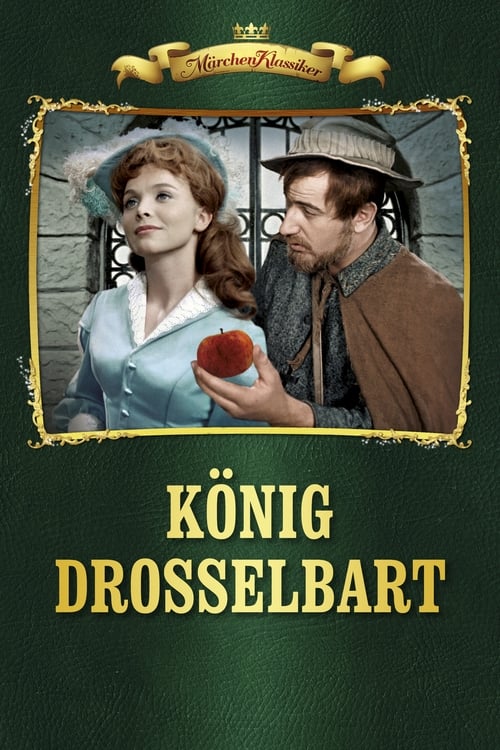
1965
No reviews yet. Be the first to share your thoughts on this movie!
Use the rating form above to leave a star rating and optional review.