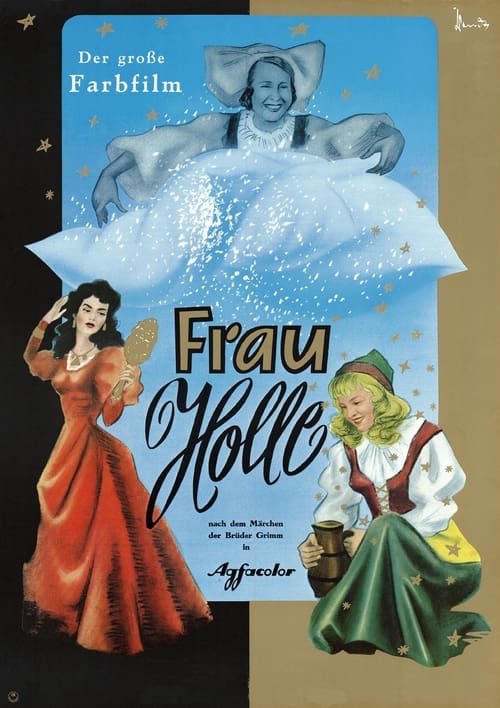
Mother Holly
1954
No user ratings available yet
Representation score: 0.4 out of 10
Representation Score
Minimal
2010
Director
Susanne Zanke
Runtime
85 minutes
Average Rating
No ratings yetNew Showbiz Analysis
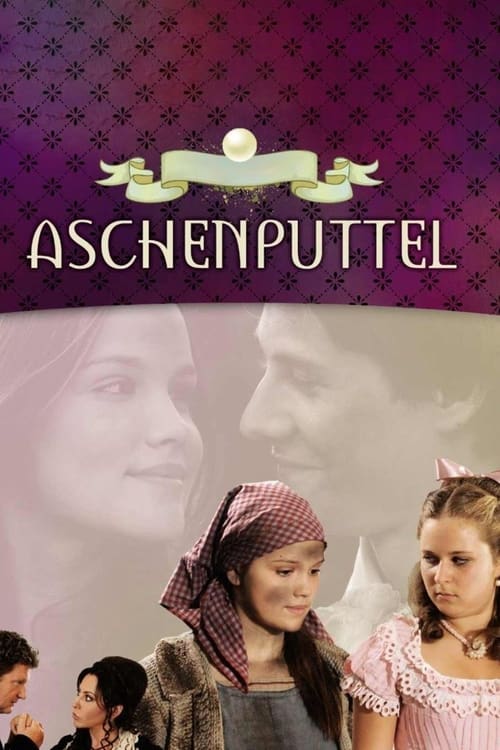
Aschenputtel is a traditionalist reimagining of Grimm folklore that prioritizes archetypal storytelling over social deconstruction. It functions as a preservation of European heritage, adhering to established fairy-tale clichés and moral binaries. The film lacks intentionality regarding modern representation. It maintains a homogeneous demographic and a heterosexual romantic arc, focusing on individual resilience within a domestic hierarchy rather than challenging systemic structures. While the protagonist demonstrates ability to act, the narrative remains rooted in conventional social mobility and traditional gender roles, offering little in the way of multi-layered or progressive perspectives.
Category Breakdown
The film follows a strictly heterosexual and cisgender framework. The central romance focuses entirely on the relationship between Marie and Prince Leonhard, with no queer subtext or non-binary identities present.
Marie shows resilience against domestic oppression, yet the story relies on the 'persecuted maiden' archetype. The conflict centers on a female antagonist, focusing on individual character rather than systemic gender issues.
The casting and setting are overwhelmingly homogeneous, reflecting traditional Germanic folklore. There is no evidence of diverse ethnic backgrounds or multi-layered casting within this visual aesthetic.
The narrative preserves Western cultural heritage by reinforcing traditional moral binaries. It celebrates the restoration of social order through nobility rather than offering a critique of Western social structures.
There are no prominent depictions of visible or invisible disabilities. Characters are defined by their moral alignment and socioeconomic status rather than physical or neurodivergent traits.
Present on Screen
Limited or Absent
Official Synopsis
Little Marie is turned into a maid, a Cinderella, by her stepmother, while her stepsister Clothilde is pampered. One day, Prince Leonhard and his friend Peter appear, both disguised as servants, and present Clothilde with an invitation to a masked ball. Cinderella falls in love with Leonhard and fights to be allowed to go to the ball because she wants to see her supposed servant again. However, the ambitious stepmother only gives her own daughter a beautiful dress. But the magic tree on Marie's mother's grave throws down a beautiful dress. Cinderella shines at the ball and enchants the prince, but just before midnight, before the spell expires, she flees. Will the prince be able to love a Cinderella?
1954
1961
1964
1960
2015
2008
2021

2023
No reviews yet. Be the first to share your thoughts on this movie!
Use the rating form above to leave a star rating and optional review.