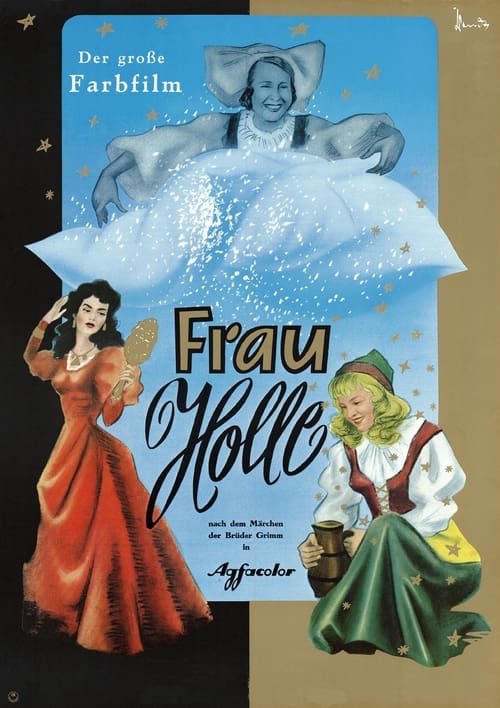
Mother Holly
1954
No user ratings available yet
Representation score: 0.4 out of 10
Representation Score
Limited
1964
Director
Siegfried Hartmann
Runtime
67 minutes
Average Rating
No ratings yetNew Showbiz Analysis
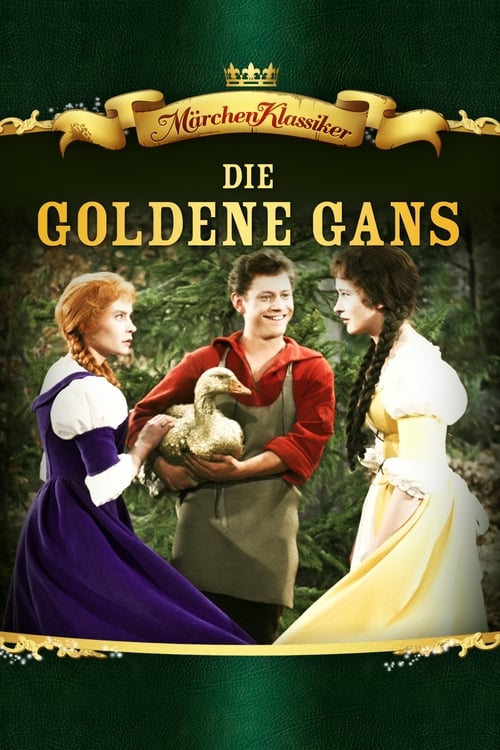
The Golden Goose is a traditional folk tale that emphasizes moral lessons over social complexity. It relies heavily on established archetypes, such as the kind laborer and the greedy brothers, to convey its message. Operating within a mid-century European fantasy framework, the film maintains a conventional social hierarchy reflecting historical norms rather than challenging them. Ultimately, the film functions as a standard moral fable, focusing on a singular cultural perspective and traditional gender and racial roles.
Category Breakdown
The film follows a traditional structure focused on brotherhood and does not include any queer themes or characters with diverse gender identities.
Male characters dominate the story through a group of brothers. The female presence is limited to a single, stereotypical elderly woman who serves as a plot catalyst.
The setting is a homogenous European village with an ethnically uniform cast. The film lacks multicultural representation and diverse racial backgrounds.
The story adheres to a Western moral code emphasizing kindness and hard work. It reinforces traditional communal values and individual industriousness.
The narrative does not feature any characters with visible or invisible disabilities.
Present on Screen
Limited or Absent
Official Synopsis
Klaus lives with his two brothers Kunz and Franz in a little village. Together, they ply their trade as cobblers in a small workshop. But the workload rests mainly on the shoulders of ill-treated Klaus. When Kunz and Franz go off into the forest to chop wood for fuel they run into an old woman who asks them for some wine and bread. Rudely and gruffly, they refuse her request and return home without any wood. Klaus then has to set out and he meets the old woman as well. He gladly offers her his frugal meal which is suddenly turned into pancakes and good wine. In addition, he receives a golden goose for his kindness. The bird possesses a an unusual characteristic: all those who are prying, nosy, envious and rapacious get stuck to it and become glued to one another.
1954
1964

1959
1961
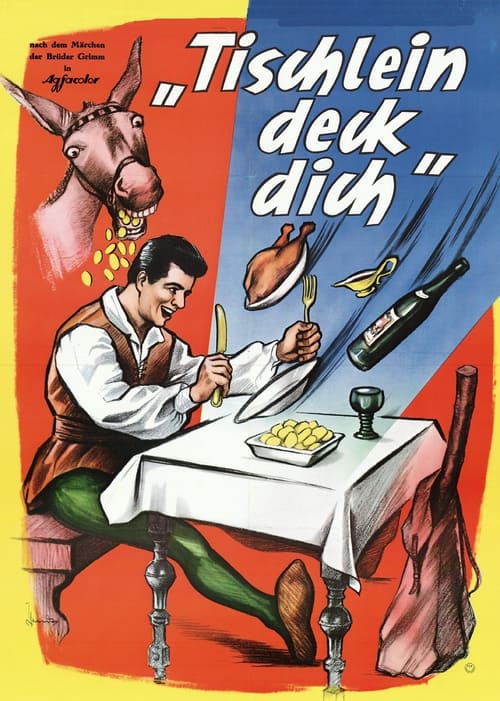
1956
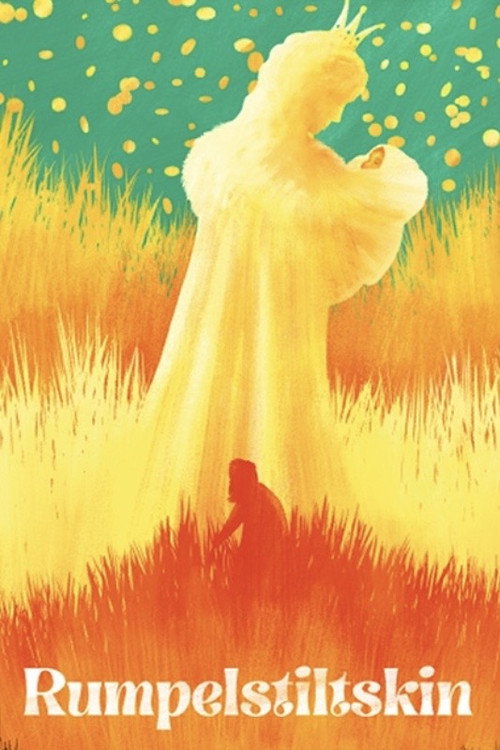
1960
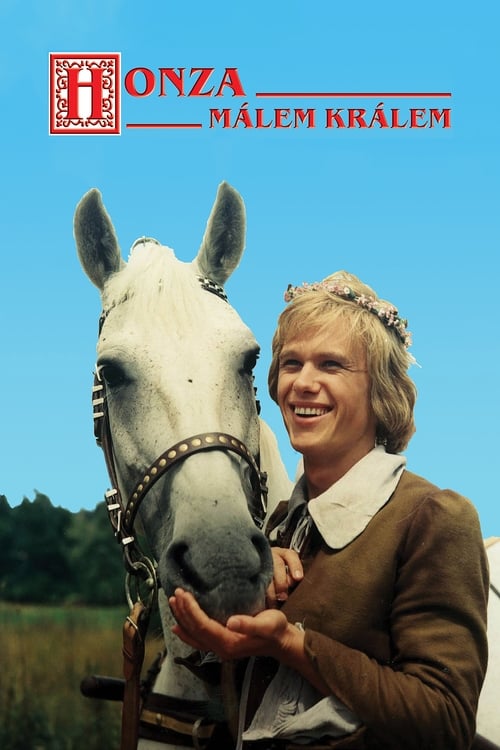
1977
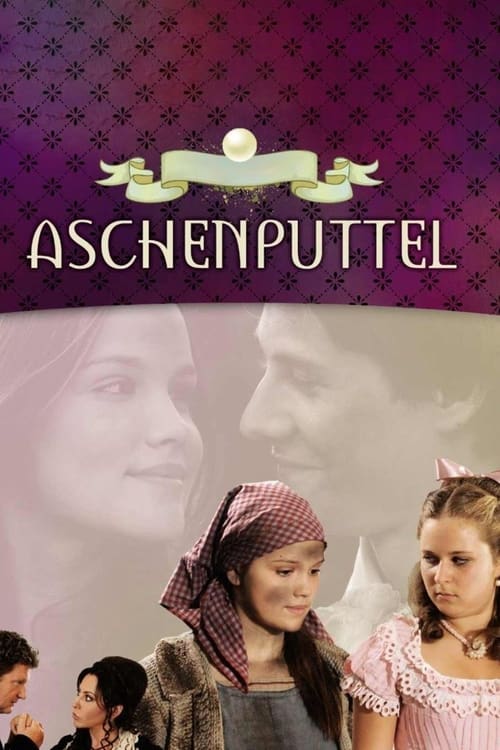
2010
No reviews yet. Be the first to share your thoughts on this movie!
Use the rating form above to leave a star rating and optional review.