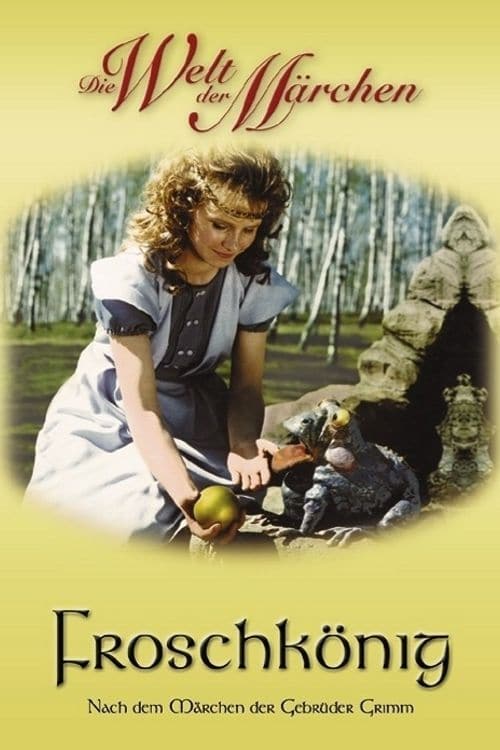
The Frog Prince
1988
No user ratings available yet
Representation score: 2.5 out of 10
Representation Score
Minimal
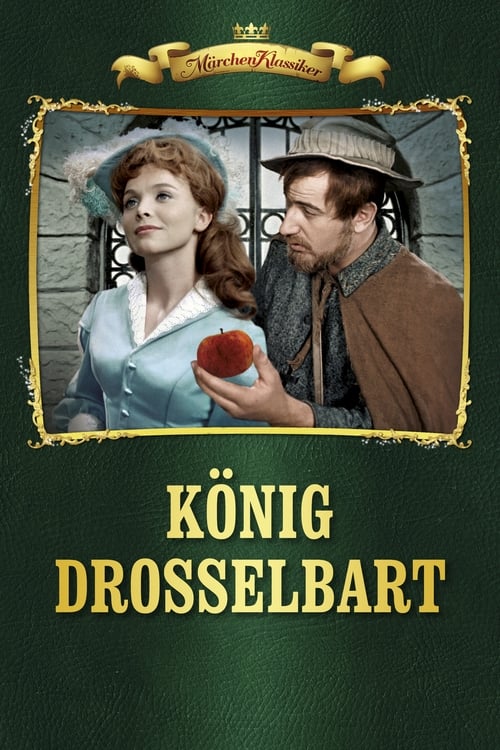
1965
Director
Walter Beck
Runtime
74 minutes
Average Rating
No ratings yetNew Showbiz Analysis
King Thrushbeard is a traditional musical fantasy that serves as a moral lesson. While the main character changes significantly, the story is designed to reinforce established social and moral norms rather than challenge them. The film lacks complexity in addressing multiple aspects of identity, focusing instead on a single cultural message about class and character. The subversion of traditional archetypes is used to guide the protagonist to a conventional, virtuous ending within a stable social order. Overall, the film adheres to the storytelling standards of the mid-20th century, emphasizing traditional virtues like humility and domesticity over critiques of systemic structures or diverse identities.
Category Breakdown
The film does not include any representation of LGBTQ+ identities or non-cisgender gender expressions. Romantic and social interactions follow traditional heterosexual norms.
Princess Anna gets plenty of screen time, but her journey focuses on changing from a haughty princess to a submissive wife. King Thrushbeard behaves as a trickster, which ultimately helps Anna conform to traditional domestic roles.
The film has a cast that is entirely white and European, typical of its 1965 production and roots in Grimm folklore. It does not use race-blind casting or metaphors to represent ethnic diversity.
The story upholds traditional Western social hierarchies and virtue ethics. It emphasizes humility and the sanctity of marriage without questioning the morality of the monarchy or socio-economic status.
The film does not feature any characters with visible or invisible disabilities. Characters with disabilities are not used as plot devices.
Present on Screen
Limited or Absent
Official Synopsis
A fairy-tale about a beautiful but very haughty princess Anna who cruelly mocks each of her suitors. Finally she is forced by the king to marry a beggar. The poor life, hard work and love teach the princess a lesson and turn her into a loving and kind person.
1988
1970

1979
1965
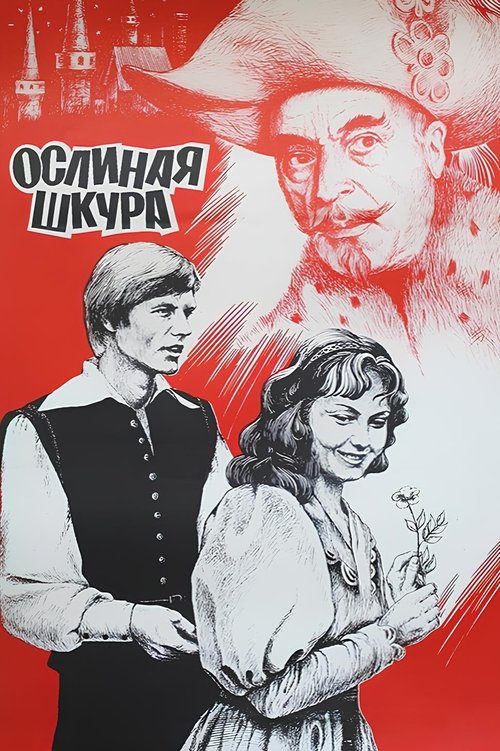
1982
1950
1954
1956
No reviews yet. Be the first to share your thoughts on this movie!
Use the rating form above to leave a star rating and optional review.