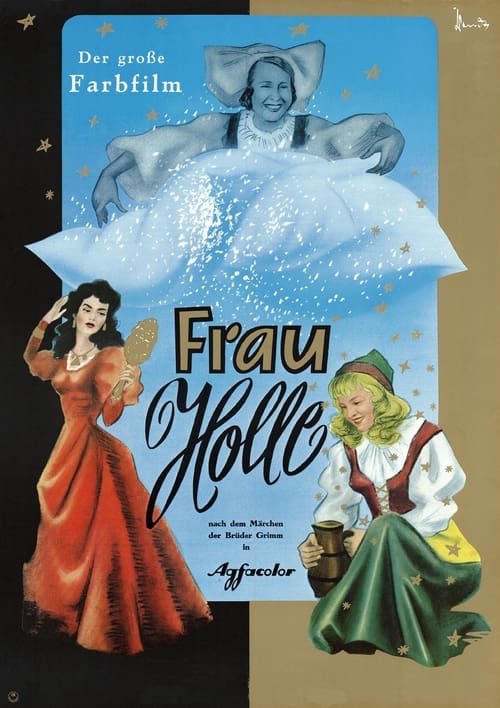
Mother Holly
1954
No user ratings available yet
Representation score: 0.4 out of 10
Representation Score
Minimal
1956
Director
Fritz Genschow
Average Rating
No ratings yetNew Showbiz Analysis
This 1956 fantasy film is a product of its historical era, prioritizing classical storytelling and conventional moral frameworks. The narrative structure reinforces established social hierarchies rather than attempting to challenge them. The focus remains heavily on male-driven achievement and traditional family units. This results in a lack of characters who reflect more than one aspect of diversity or diverse casting, as the film aligns with the homogeneous demographic norms of mid-century Germany.
Category Breakdown
The film adheres to the assumption that everyone is straight or cisgender, typical of 1950s German family cinema. There are no visible LGBTQ+ characters or narratives present.
The story follows a patriarchal structure centered on a father and his sons. ability to act is concentrated within the male lineage through their vocational journeys.
This mid-century European fairy-tale adaptation reflects the homogeneous demographic norms of its era. It lacks a diverse cast or non-white characters.
The narrative reinforces traditional Western values like industry and mentorship. It operates within a classical folkloric framework rather than critiquing social institutions.
The provided information does not contain evidence regarding the portrayal of physical or neurodivergent characters.
Present on Screen
Limited or Absent
Official Synopsis
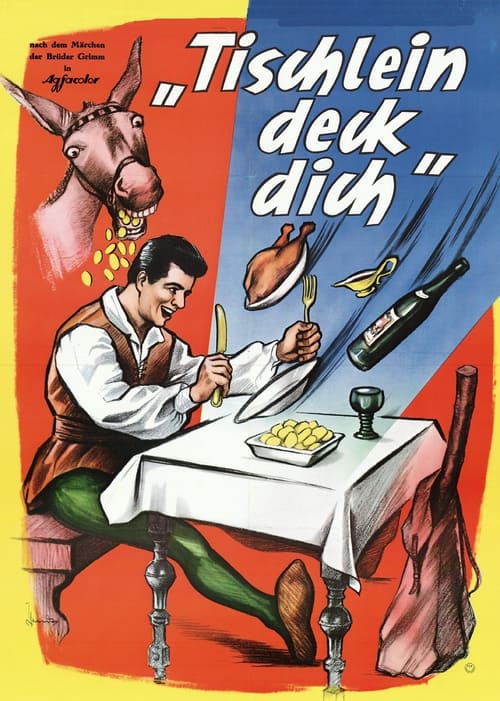
A tailor sends his sons away. They each learn a trade and receive a special gift from their teacher.
1954
1964
1964
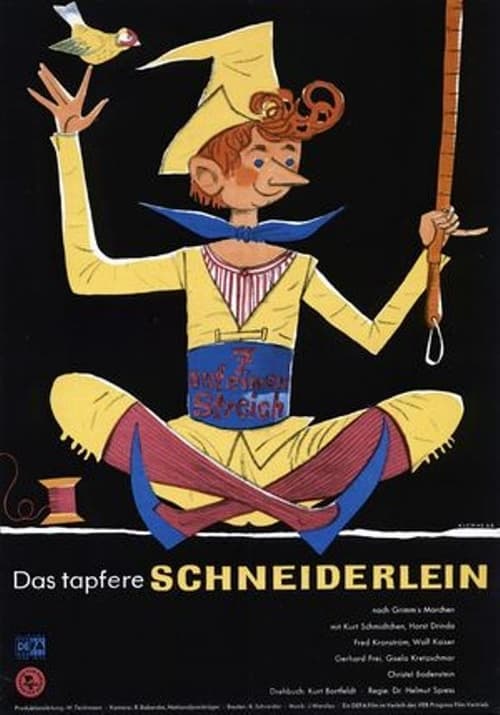
1956
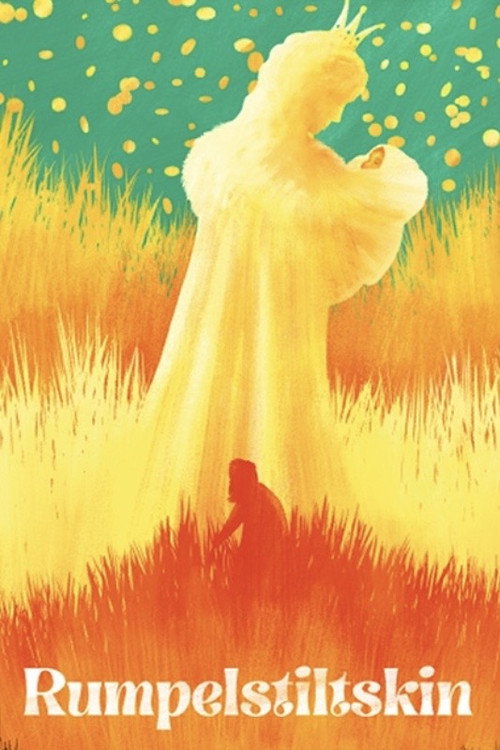
1960

1959
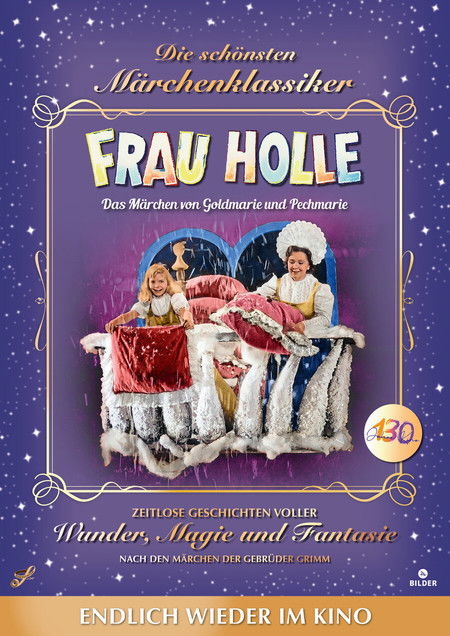
1961
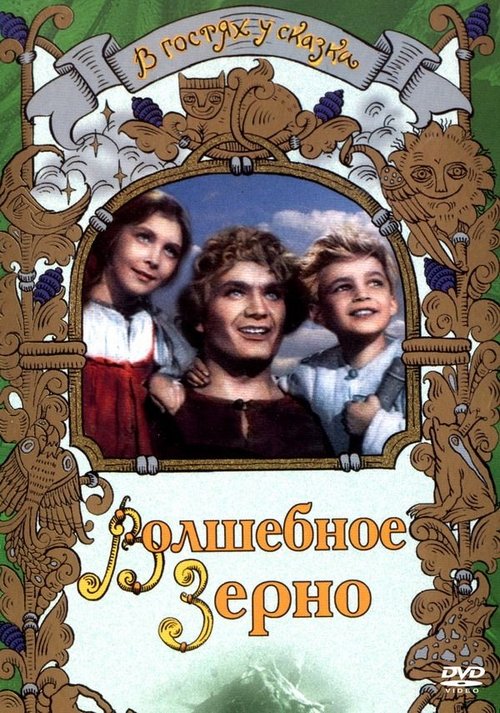
1942
No reviews yet. Be the first to share your thoughts on this movie!
Use the rating form above to leave a star rating and optional review.