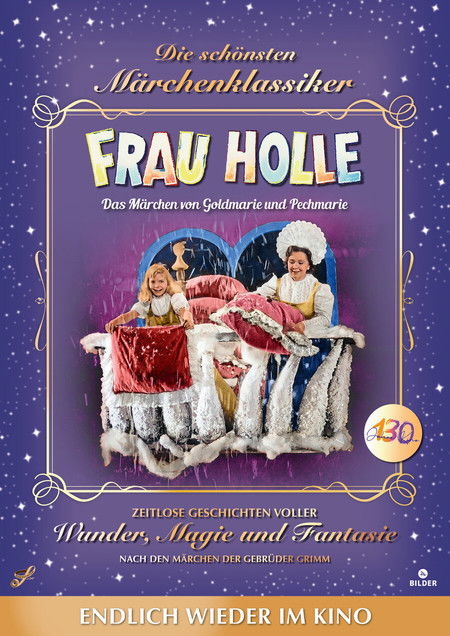
Mother Holly
1961
No user ratings available yet
Representation score: 2.6 out of 10
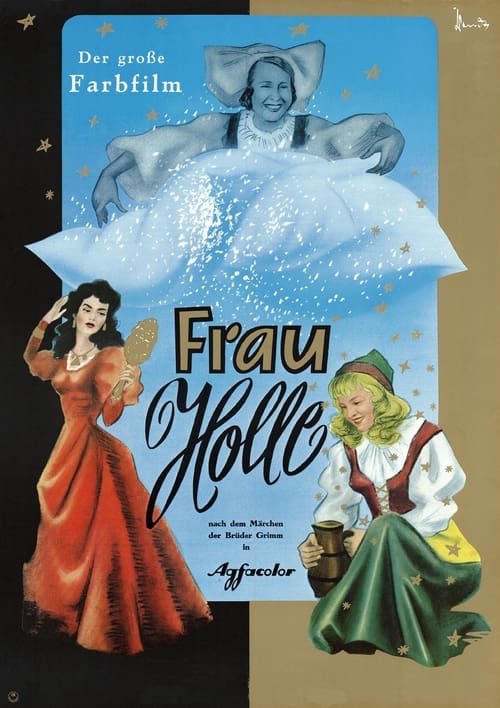
Representation Score
Minimal
1954
Director
Fritz Genschow
Runtime
0 minutes
Average Rating
No ratings yetNew Showbiz Analysis
Fritz Genschow’s adaptation of *Frau Holle* is a product of its era, prioritizing cultural continuity and established moral frameworks. The film functions as a vehicle for preserving European folklore through traditional storytelling. While female figures hold significant supernatural authority, the film operates within rigid social hierarchies. The narrative lacks diverse identities, focusing instead on a homogeneous depiction of mid-century German life. Ultimately, the film serves a pedagogical purpose, emphasizing virtue and greed through a lens that avoids any modern subversion of social or gender norms.
Category Breakdown
The film follows traditional structures typical of mid-century folklore and does not depict non-straight or non-cisgender identities or same-sex relationships.
Female characters like Frau Holle have supernatural power and authority. However, these roles operate within moralistic frameworks aligned with mid-20th-century social expectations.
The production focuses on European folklore and maintains an ethnically homogeneous cast. It reflects the localized cultural context of 1950s Germany.
The narrative reinforces traditional Western values and clear moral binaries. It prioritizes cultural preservation and the stability of familial structures.
There are no characters with visible or invisible disabilities in the film, nor are such characters used as narrative devices.
Present on Screen
Limited or Absent
1961
1964
1964
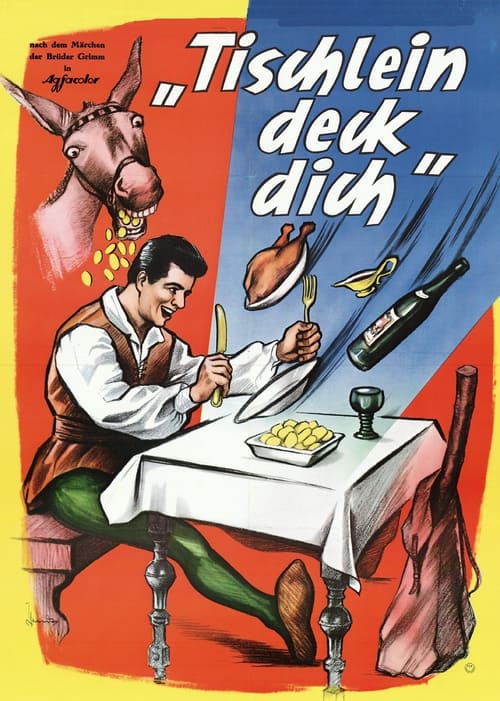
1956
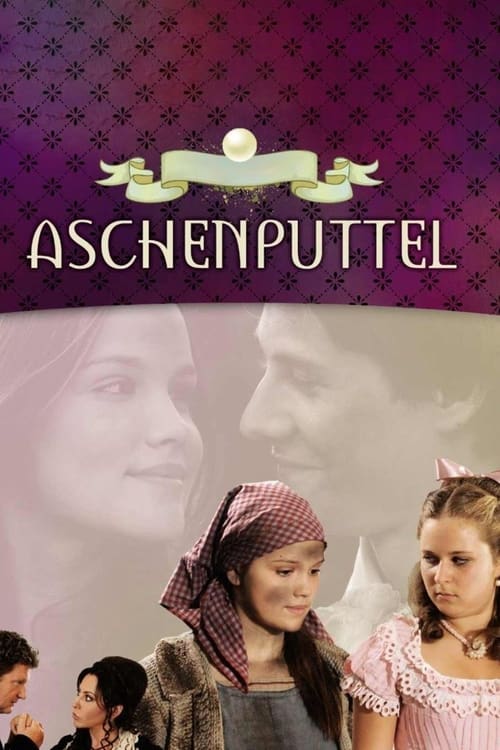
2010
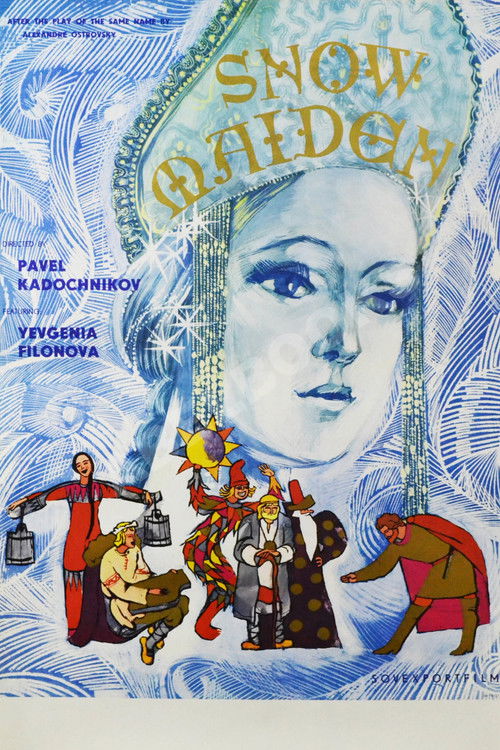
1968
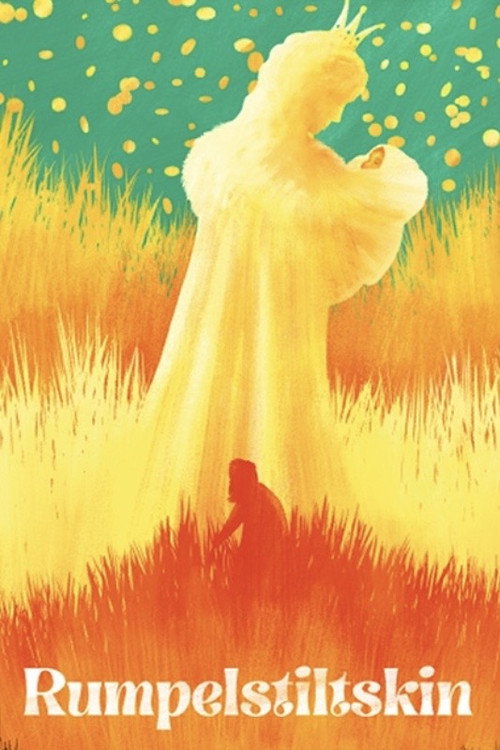
1960
1955
No reviews yet. Be the first to share your thoughts on this movie!
Use the rating form above to leave a star rating and optional review.