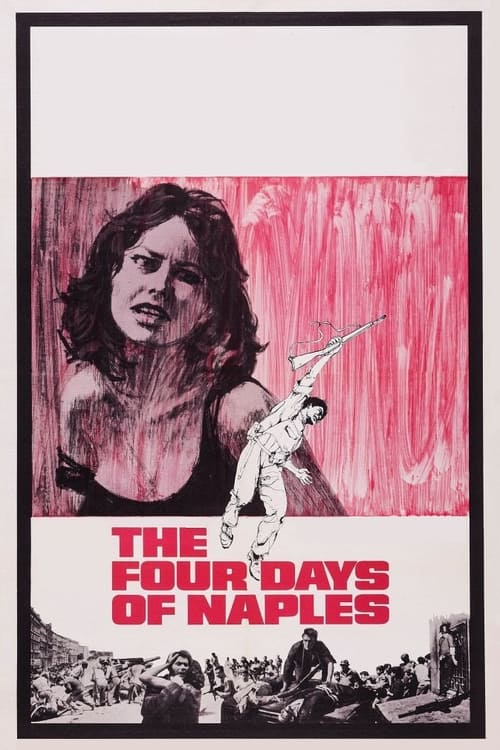
The Four Days of Naples
1962
No user ratings available yet
Representation score: 4.5 out of 10
Representation Score
Limited
1972
Director
Roger Taverne, Jean-Max Causse
Runtime
72 minutes
Average Rating
No ratings yetNew Showbiz Analysis
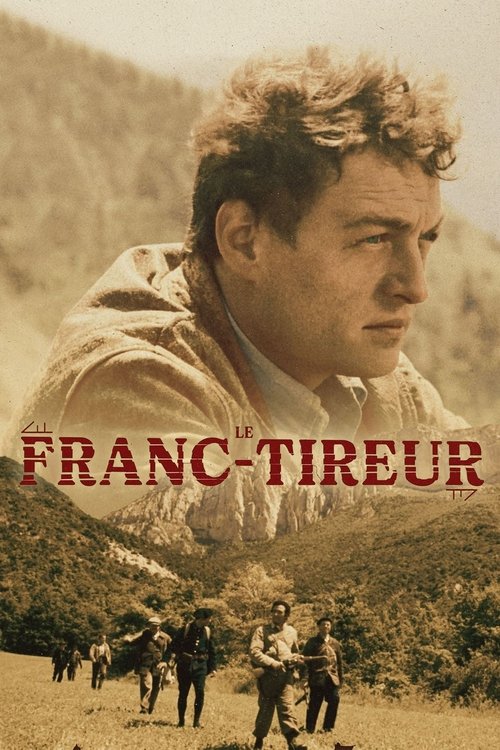
Le Franc-tireur is a period drama that prioritizes historical accuracy and localized conflict over modern characters who reflect more than one aspect of diversity. The narrative is deeply rooted in the specific demographic and social constraints of 1940s France. The film explores political and familial tensions, such as the divide between collaborators and the Resistance, rather than diverse social identities. This focus on a singular, historically specific struggle results in a narrow demographic scope. Ultimately, the work functions as a study of wartime survival and fractured morality. It does not attempt to challenge traditional hierarchies through diverse casting or varied social perspectives.
Category Breakdown
The film focuses on the historical realism of 1944 rural France. There are no LGBTQ+ characters or non-straight relationships in the narrative.
Gender roles follow traditional mid-century war cinema patterns. While female civilians appear in the Resistance, men play the central roles as combatants and the protagonist.
The cast reflects the demographic homogeneity of the Vercors region during the era. The story focuses on internal French political fractures rather than multi-ethnic representation.
The film critiques traditional institutional stability by exploring fractured familial loyalties. It presents a chaotic, morally complex view of patriotism rather than a romanticized one.
There is no discernible focus on characters with visible or invisible disabilities. Combat trauma is a theme, but it does not center on disabled individuals.
Present on Screen
Limited or Absent
Official Synopsis
During the Second World War, the son of a Grenoble collaborator went up to his grandmother's house on the Vercors plateau to wait for the war to end without him. On July 21, 1944, German troops overran the plateau. Forced to flee, he joins a small group of Resistance fighters and civilians, and struggles to survive for three days and nights.
1962

1945
2005

1975

2017

2020

1964

1968
No reviews yet. Be the first to share your thoughts on this movie!
Use the rating form above to leave a star rating and optional review.