The Fighting Musketeers
1961
No user ratings available yet
Representation score: 0.3 out of 10

Representation Score
Limited
1966
TV-MADirector
Bernard Borderie
Runtime
100 minutes
Average Rating
No ratings yetNew Showbiz Analysis
Angélique and the King is a traditional historical adventure that centers on the power and grandeur of the French monarchy. While the film provides a strong female lead who navigates complex political waters, the narrative structure remains tethered to mid-century genre conventions. The film's approach to international characters serves the plot's conflict rather than offering nuanced cultural exploration. International characters are often framed through exoticized or villainous clichés common to mid-century cinema. Ultimately, the film prioritizes romanticized historical escapades over systemic deconstruction, leaning heavily on established clichés of the era.
Category Breakdown
The story focuses on heterosexual relationships and political tensions, with no representation of LGBTQ+ identities or critiques of traditional romantic structures.
Angélique plays a significant role in driving the story as a diplomat, but the plot relies on the 'damsel in distress' cliché, where she is saved by a male counterpart.
The film includes international elements like a Persian Ambassador and a Hungarian prince, but the Ambassador is framed through a villainous lens, potentially exoticizing the character.
The film celebrates the grandeur of the French monarchy and operates strictly within the traditional Western historical institutions, emphasizing royal hierarchies.
There are no visible or invisible disabilities portrayed or used as plot devices within the narrative.
Present on Screen
Limited or Absent
Official Synopsis
Soon after her latest husband death, the King himself (Louis XIV) meets with our heroine and begs her to help convince the Persian Ambassador to agree to a treaty. However, what they didn't realize was that the handsome Persian was in fact a sexual sadist. So, it is up to the King's half- brother, some Hungarian prince, to save Angélique from the evil troll's clutches.
1961
1964
1968

1939
1999
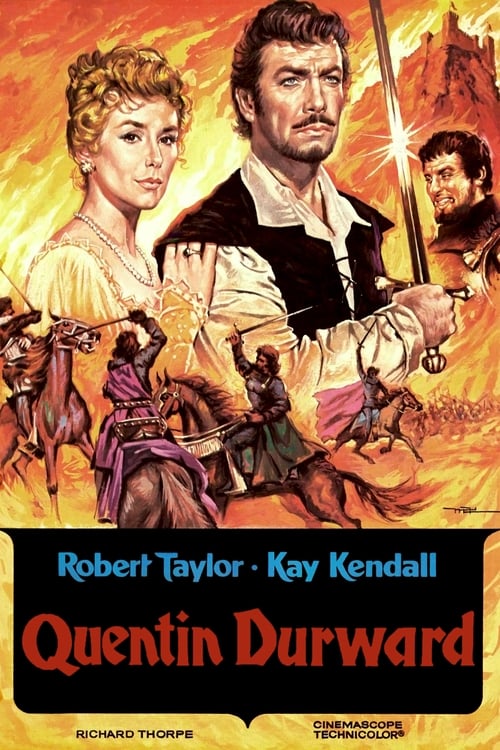
1955
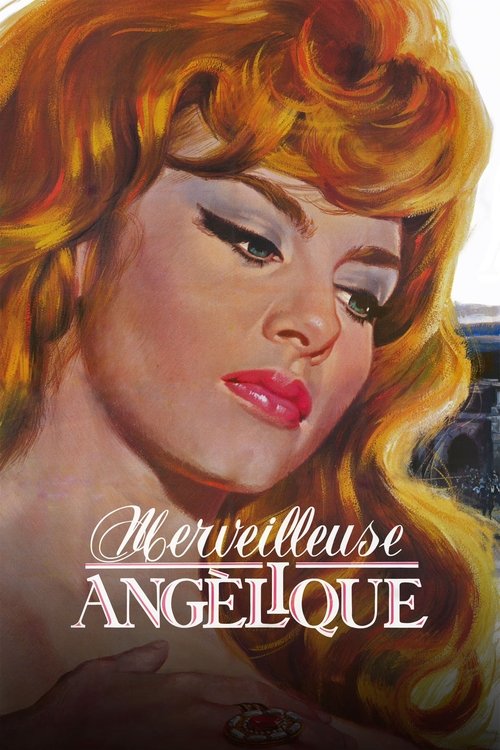
1965
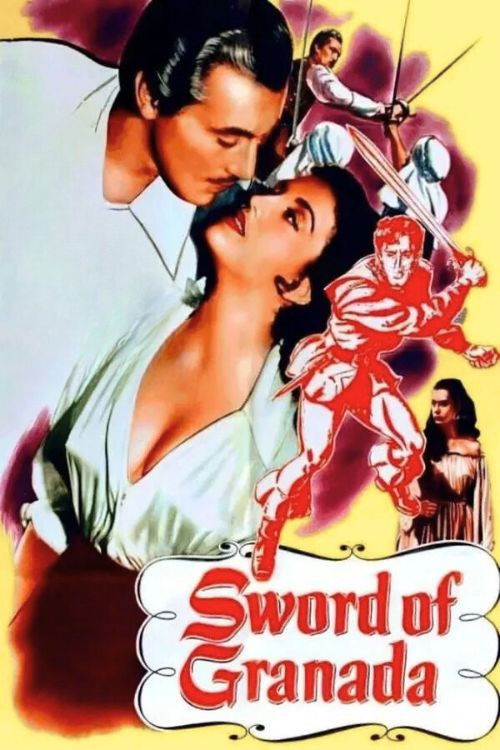
1954
No reviews yet. Be the first to share your thoughts on this movie!
Use the rating form above to leave a star rating and optional review.