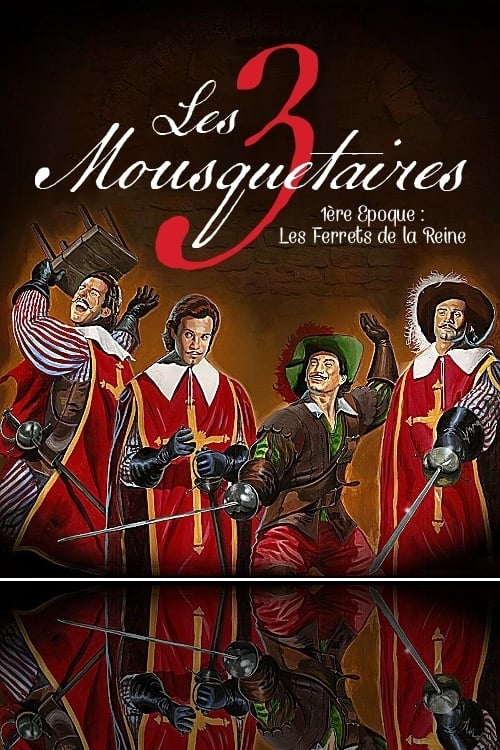
The Fighting Musketeers
1961
No user ratings available yet
Representation score: 0.3 out of 10

Representation Score
Limited
1939
NRDirector
James Whale
Runtime
112 minutes
Average Rating
No ratings yetNew Showbiz Analysis
James Whale's adventure is a product of its era, leaning heavily into traditional swashbuckling clichés and established social hierarchies. The narrative focuses on masculine leadership, fraternal bonds, and the legitimacy of the French throne. While the film provides a classic tale of honor and political conspiracy, it lacks multi-layered complexity. The characters and conflicts reinforce conventional gender roles and a homogeneous view of European history. Ultimately, the film operates within a narrow framework of Western institutionalism, prioritizing monarchical stability over diverse perspectives or the disruption of traditional power structures.
Category Breakdown
The film does not include any explicit LGBTQ+ characters or storylines. The emotional arcs focus on traditional romantic pairings, maintaining a strictly straight-centered perspective throughout the narrative.
The story is heavily male-centric, prioritizing the political maneuvers and combat of the Musketeers. Female characters primarily serve as romantic catalysts rather than drivers of the central plot.
The cast is ethnically homogeneous, reflecting 1939 production standards. It presents a singular, Western European aristocratic view without diverse ethnic integration or race-bent casting.
The plot centers on royal succession and aristocratic honor within a monarchical system. It seeks to restore a perceived natural order rather than offering a systemic critique of institutions.
The iron mask serves as a plot device for identity mystery rather than a nuanced exploration of disability. It functions as a tool for concealment rather than representing lived experience.
Present on Screen
Limited or Absent
Official Synopsis
Years have passed since the Three Musketeers, Aramis, Athos and Porthos, have fought together with their friend, D'Artagnan. But with the tyrannical King Louis using his power to wreak havoc in the kingdom while his twin brother, Philippe, remains imprisoned, the Musketeers reunite to abduct Louis and replace him with Philippe.
1961
1948
1955
1952
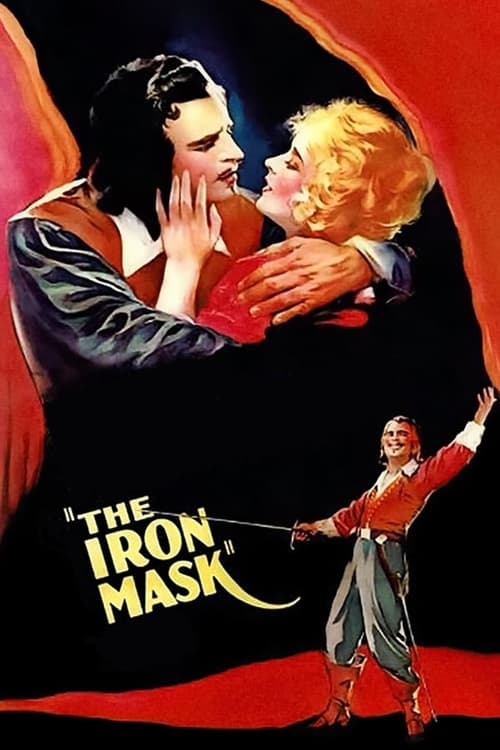
1929
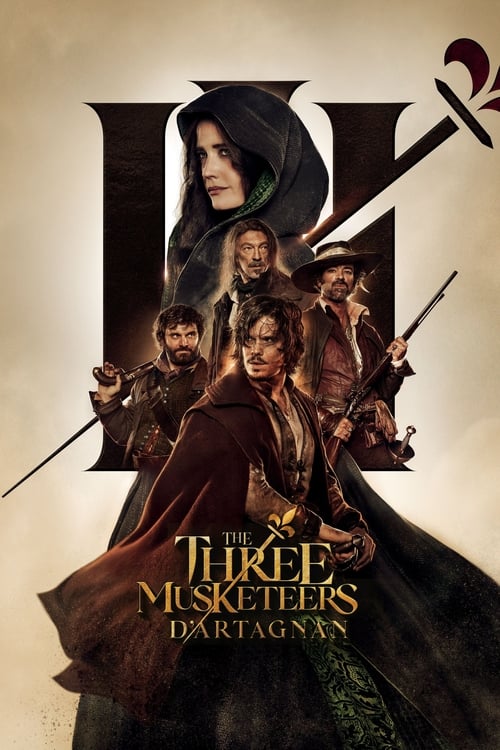
2023
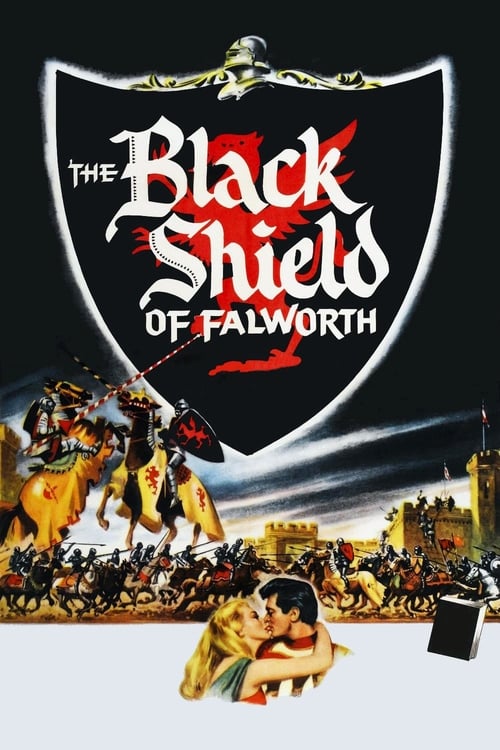
1954
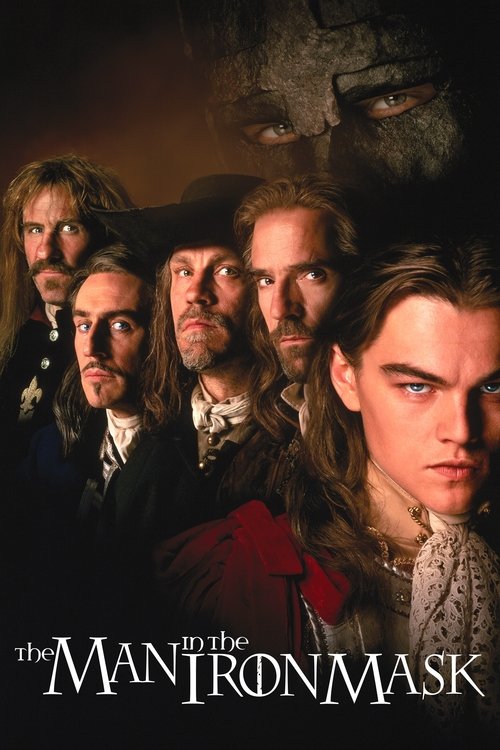
1998
No reviews yet. Be the first to share your thoughts on this movie!
Use the rating form above to leave a star rating and optional review.