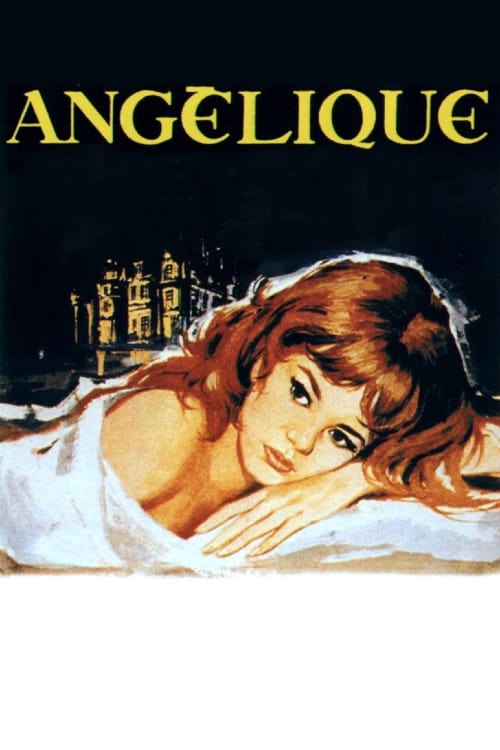
Angelique
1964
No user ratings available yet
Representation score: 1.7 out of 10
Representation Score
Minimal
1961
Director
Bernard Borderie
Runtime
91 minutes
Average Rating
No ratings yetNew Showbiz Analysis
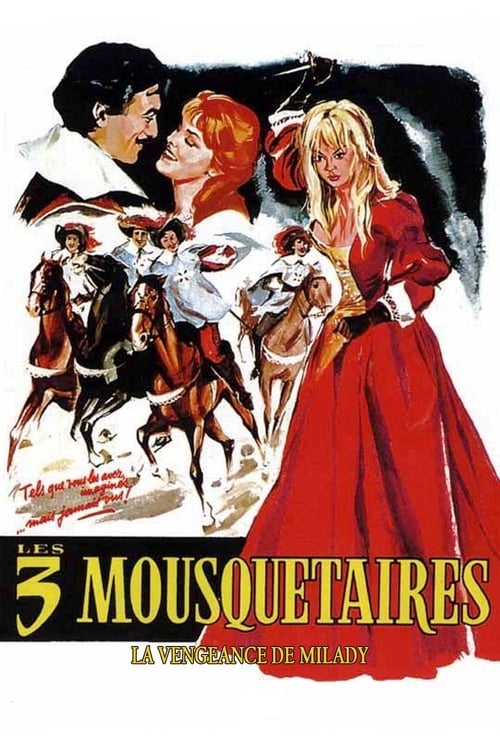
This swashbuckler exemplifies classic adventure cinema that upholds traditional social hierarchies. It emphasizes monarchical loyalty and individual honor over any social disruption. The film operates within a framework that views established Western institutions as the foundation of moral stability. Although Milady de Winter offers a complex study of women's ability to drive the story, she remains within a conventional villainous archetype. Ultimately, the production reinforces the historical and social norms of 17th-century France rather than challenging them.
Category Breakdown
The film follows traditional structures where romantic relationships are between men and women, such as D'Artagnan and Constance.
Women like Milady de Winter have significant roles as conspirators, but their power is shown through villainy. Female characters often serve as romantic interests or targets of conflict.
The cast is primarily white and European, reflecting the historical homogeneity of the French aristocracy. There is no use of diverse ethnic casting.
The story celebrates Western traditions like chivalry and loyalty to the French Crown, reinforcing the stability of the existing aristocratic social order.
There is no representation of physical or neurodivergent disabilities. Characters are defined by their physical strength and combat skills.
Present on Screen
Limited or Absent
Official Synopsis
To avenge her defeat and with the help of the Cardinal's army leader Rochefort, the treacherous Milady de Winter kidnaps both D'Artagnan and Constance, in order to spur a war between the French and the English, as per the Cardinal's wish.
1964
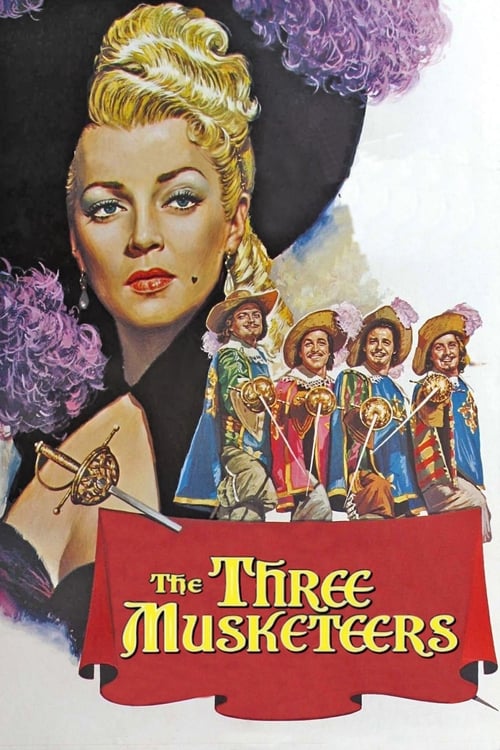
1948
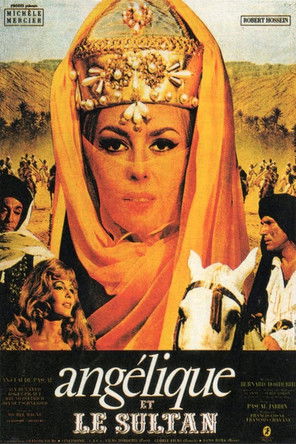
1968
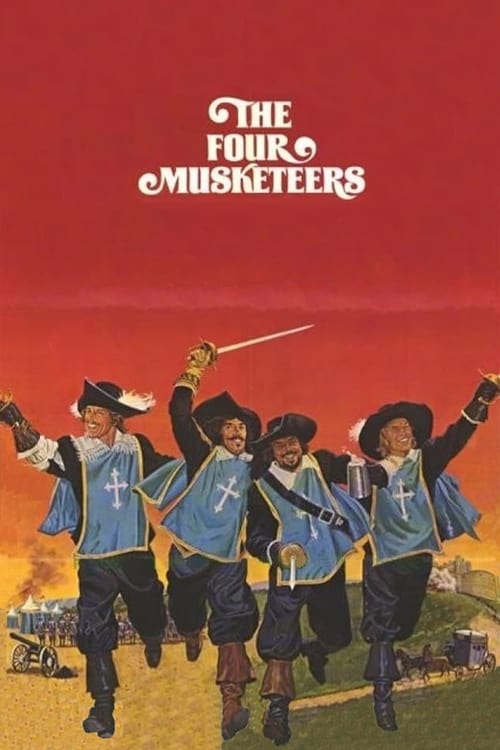
1974
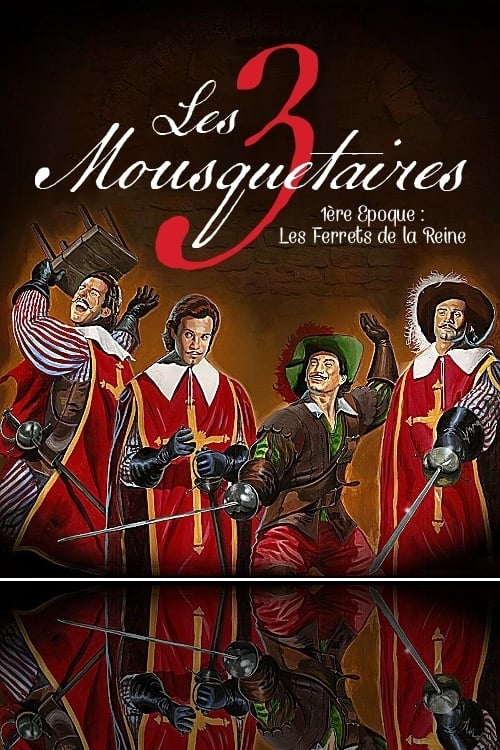
1961
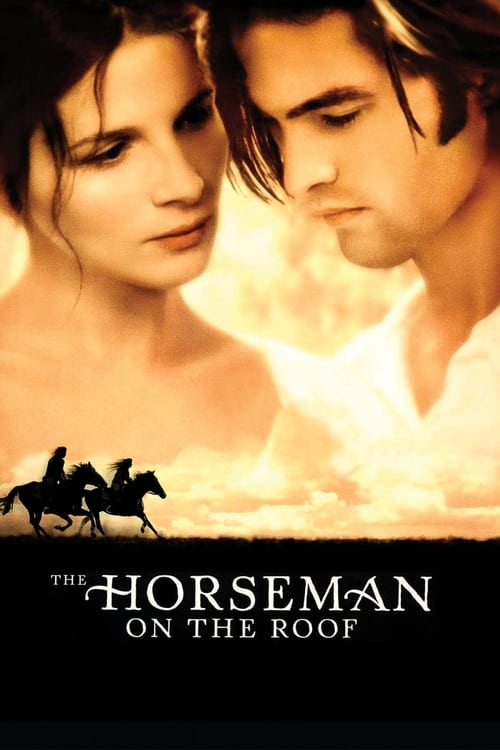
1995
1967
1973
No reviews yet. Be the first to share your thoughts on this movie!
Use the rating form above to leave a star rating and optional review.