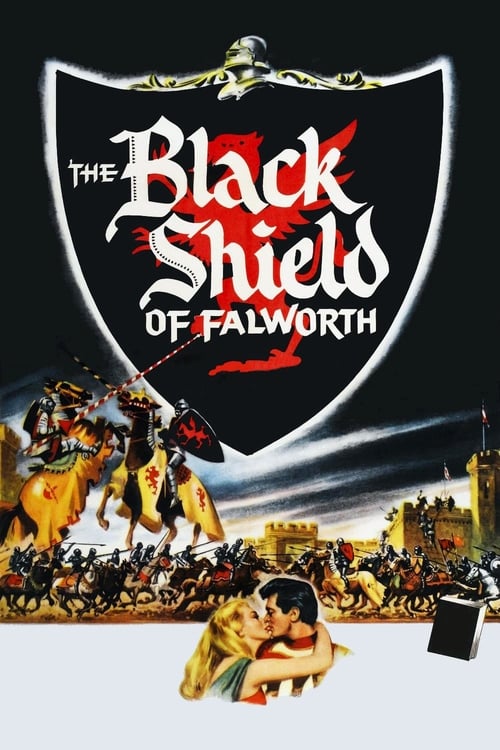
The Black Shield of Falworth
1954
No user ratings available yet
Representation score: 0.9 out of 10
Representation Score
Fair
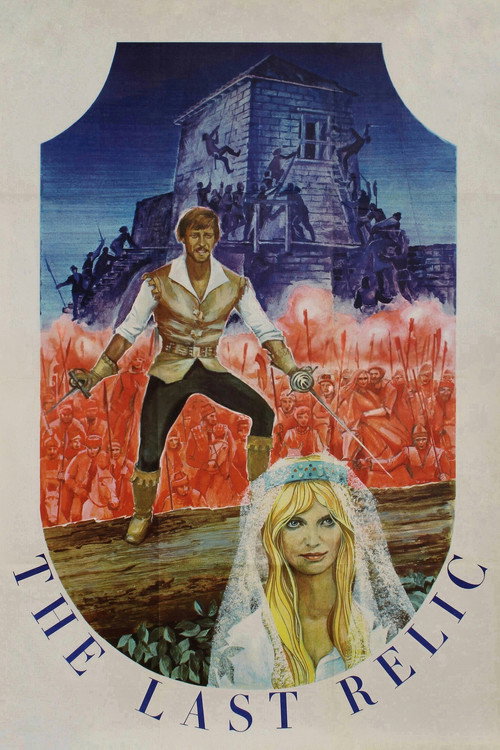
1970
Director
Grigori Kromanov
Runtime
86 minutes
Average Rating
No ratings yetNew Showbiz Analysis
The Last Relic is a historical adventure that delves into social conflicts rather than modern identity politics. It excels in critiquing institutional power, particularly through its portrayal of the monastery as a manipulative entity during a peasant revolt. While the film does not represent LGBTQ+ identities or racial diversity, it effectively explores class struggle and the ability to act of the peasantry. The narrative also subverts traditional female roles by giving Agnes more control over her romantic life.
Category Breakdown
The story revolves around a traditional love triangle involving a nobleman, Agnes, and an adventurer. There is no indication of queer identities or non-straight relationships in the narrative.
Agnes transitions from being an object of desire to a person with her own choices. Her choice of a romantic partner challenges traditional passive female roles.
Set in medieval Europe, the film emphasizes class distinctions over racial diversity. The narrative highlights the social struggles of peasants rather than ethnic differences.
The film criticizes religious authority by depicting the monastery as a manipulative institution. It portrays the pursuit of a holy relic as a strategic maneuver rather than a spiritual journey.
There is no mention of characters with visible or invisible disabilities in the available information.
Present on Screen
Limited or Absent
Official Synopsis
A medieval love story with lots of adventures. The times are troubled - there's a revolt of peasants going on. To secure its safety a monastery chases for a relics of a holy Brigitte. A nobleman promises to get it if he gets beautiful Agnes as a reward. But she fells in love with a handsome adventurer. The monastery has to act shrewd now and play double game.
1954
1964
1955
1976
1956

1952
1954
1995
No reviews yet. Be the first to share your thoughts on this movie!
Use the rating form above to leave a star rating and optional review.