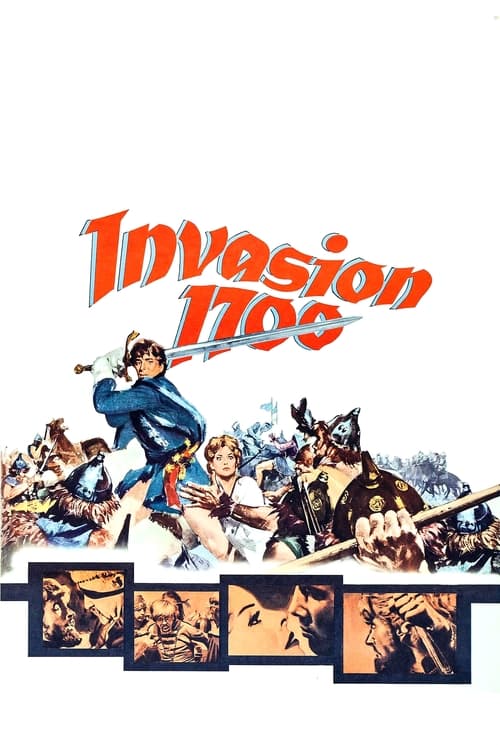
Invasion 1700
1962
No user ratings available yet
Representation score: 2.8 out of 10
Representation Score
Limited
1962
Director
Bernard Borderie
Runtime
89 minutes
Average Rating
No ratings yetNew Showbiz Analysis
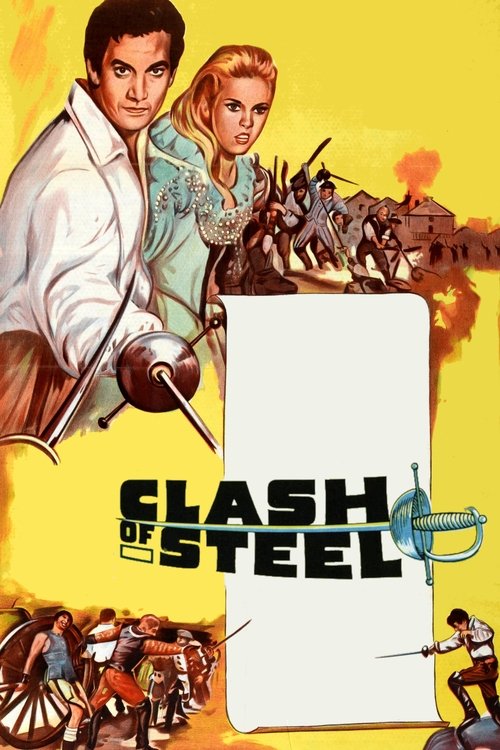
Clash of Steel is a classic swashbuckler that emphasizes traditional heroism and romantic archetypes. The film adheres to the social and moral hierarchies of its time, offering little challenge to Western storytelling norms. While the film introduces ethnic variety through a gypsy character, it leans on mid-century clichés that can exoticize her identity. Gender dynamics are also traditional, focusing on a male protagonist rescuing a female lead. Overall, the film centers on nobility and honor in a period adventure setting. It lacks representation for LGBTQ+ identities and disabilities, sticking closely to the genre conventions of 1962.
Category Breakdown
The film focuses on a heterosexual relationship and does not include any non-cisgender identities or same-sex intimacy, reinforcing the idea that everyone is straight and cisgender.
Isabelle is a key character, but her role is defined by the 'damsel in distress' stereotype. While she plays a crucial emotional role, the power dynamics follow traditional male heroism.
The inclusion of a gypsy character adds ethnic variety to the 16th-century French setting. However, her identity is used in a way that might be seen as exoticizing and catalyzing plot conflict.
The narrative is steeped in Western historical romance and aristocratic struggles. It upholds traditional notions of chivalry and the restoration of political order without offering institutional critiques.
There is no documented evidence regarding the portrayal of physical or neurodivergent disabilities within the film's narrative.
Present on Screen
Limited or Absent
Official Synopsis
In 16th-century France, the Chevalier de Pardaillan rescues the beautiful gypsy "Violetta", in reality Isabelle, daughter of the Comte d'Entraigues and prey of his sworn enemy, the Duke Henri de Guise. Pardaillan and Isabelle fall in love, and the valiant chevalier will not rest until the advent of King Henri IV.
1962
1964
1963
1948
1955

1956
1964
1974
No reviews yet. Be the first to share your thoughts on this movie!
Use the rating form above to leave a star rating and optional review.