
Angelique and the King
1966
No user ratings available yet
Representation score: 2.6 out of 10
Representation Score
Minimal
1961
Director
Bernard Borderie
Runtime
102 minutes
Average Rating
No ratings yetNew Showbiz Analysis
The Fighting Musketeers is a conventional genre piece that preserves traditional cinematic and social hierarchies. It relies on established clichés of heroism and gendered roles common to 1960s adventure cinema. The film reinforces a Eurocentric historical perspective, prioritizing period-accurate aesthetics and classical structures over challenging social hierarchies. It functions as a romanticized celebration of aristocracy and military service. Ultimately, the narrative does not seek to challenge conventional expectations of power or identity, instead upholding the social structures of its era.
Category Breakdown
The film follows a strictly straight-centered framework. Romantic subplots are centered entirely on traditional male-female pairings with no same-sex intimacy.
Women play primarily as romantic interests or figures needing rescue rather than independent actors. Men dominate the narrative, playing key roles in driving the story.
The cast is ethnically homogeneous, reflecting its 17th-century French setting. The narrative presents a strictly Eurocentric view without considering multiple aspects of identity.
The story emphasizes traditional Western values like chivalry and loyalty to the Crown. It celebrates the stability of the existing aristocratic social order.
There are no characters with visible or invisible disabilities. The focus remains entirely on physical prowess and athletic combat.
Present on Screen
Limited or Absent
Official Synopsis
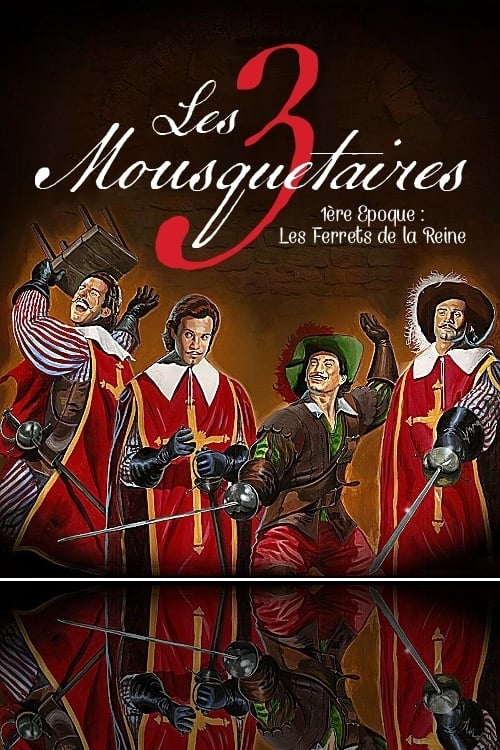
D'Artagnan is back from England with a message for the queen. Buckingham has declared that he was ready to attack France to deliver Anne of Austria. D'Artagnan ends up arrested and thrown into prison. Musketeers wonder how to rescue their friend.
1966
1964

1939
1948
1961
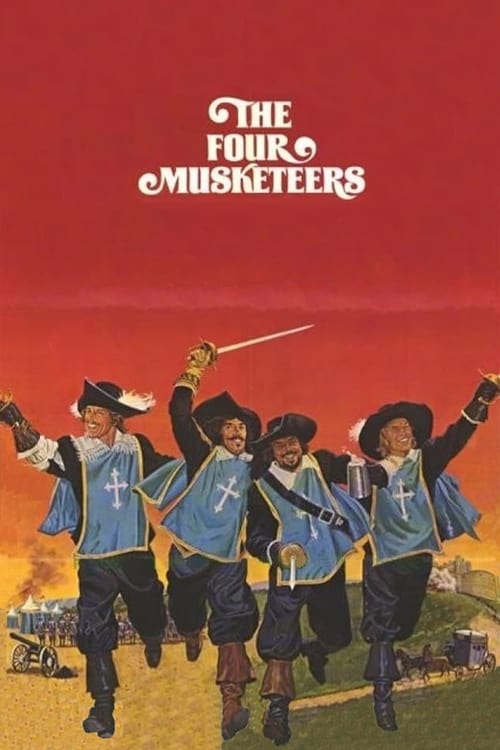
1974
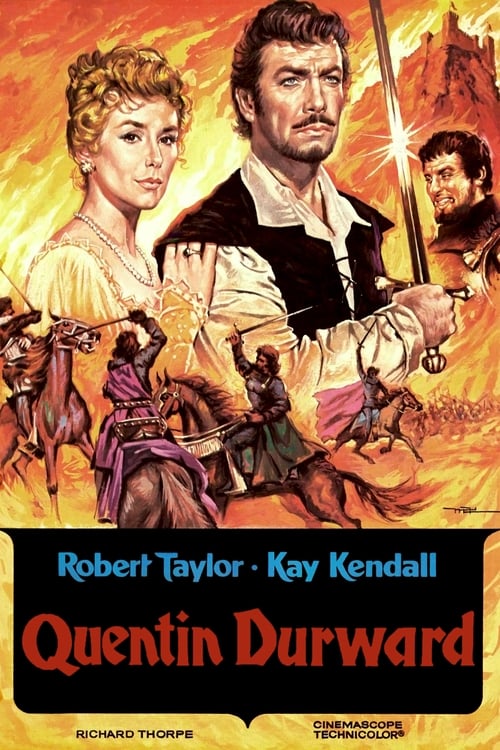
1955
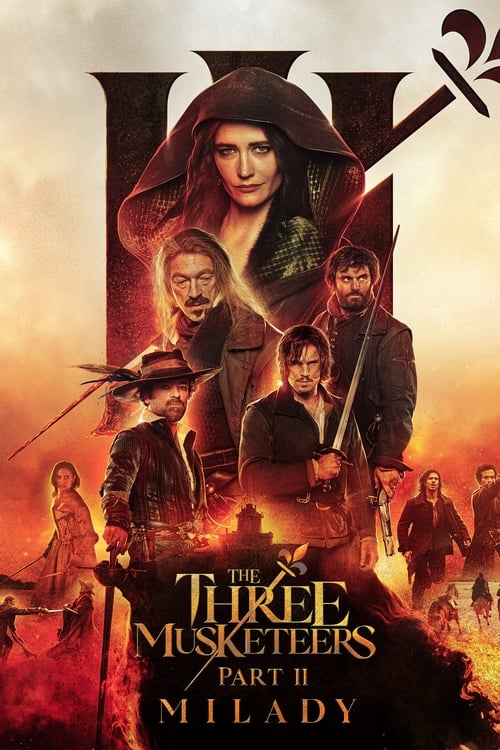
2023
No reviews yet. Be the first to share your thoughts on this movie!
Use the rating form above to leave a star rating and optional review.