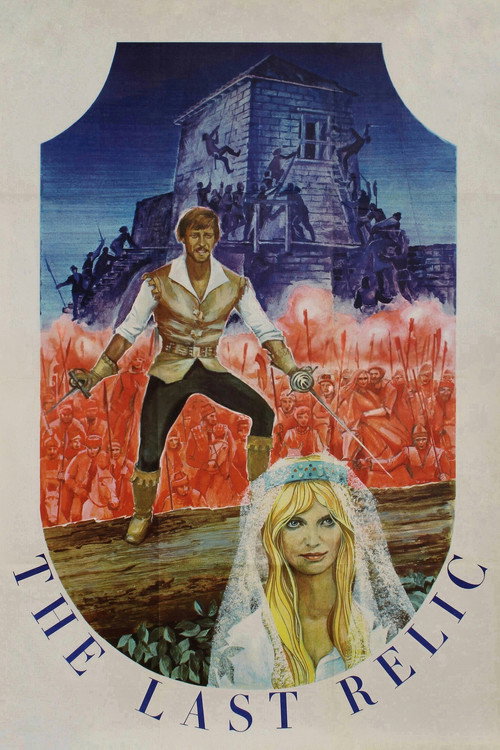
The Last Relic
1970
No user ratings available yet
Representation score: 4.8 out of 10
Representation Score
Fair
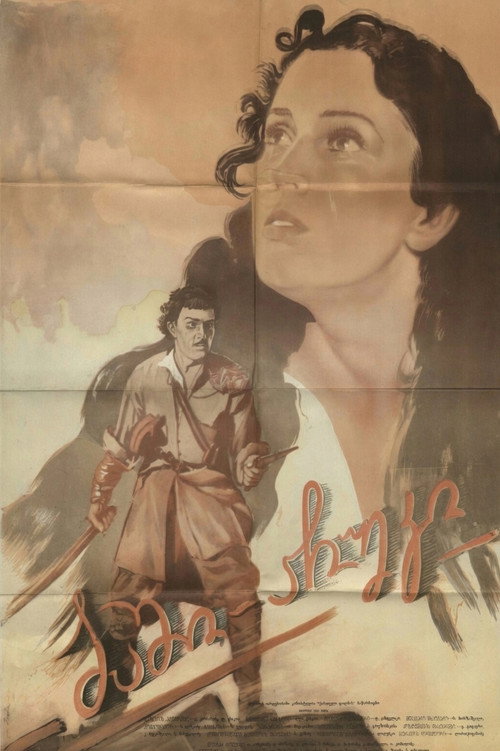
1956
Director
Leo Esakia
Runtime
90 minutes
Average Rating
No ratings yetNew Showbiz Analysis
Bashi-Achuki complicates the typical historical epic by introducing themes of ethnic fluidity and identity. The character of Abdushahil serves as a bridge between conflicting cultures, moving the story beyond a simple nationalist struggle. While the film provides ability to act to its female characters, it remains anchored in the romantic and structural conventions of 1950s cinema. The lack of LGBTQ+ representation and disability visibility reflects the era's limited scope. Ultimately, the film's strength lies in its ability to challenge 'us vs. them' dichotomies, using the cliché of the displaced individual to critique imperial structures.
Category Breakdown
The film does not include explicit representations of LGBTQ+ identities. It focuses on traditional romantic relationships and family dynamics set in a historical context.
Female characters evolve from captives in a harem to active participants in a rebellion. Mzisa demonstrates a significant role in driving the story by facilitating movement within the rebel camp.
The story delves into complex identity politics through Abdushahil, a character caught between a Persian upbringing and Georgian heritage. This challenges simplistic views of ethnicity.
The film critiques imperial authority through a narrative of resistance. It avoids simple binaries by showing the 'enemy' as a victim of cultural erasure.
There are no visible or invisible disabilities portrayed within the main character arcs.
Present on Screen
Limited or Absent
Official Synopsis
The 17th century rebellion in Kakheti masterminded by Bidzina Cholokashvili gets about the whole Georgia. An Imeretian youth nicknamed as Bashi-Achuk is a real exterminator of the Persians. He attacks the Persian escort and sets free the Georgian women who were supposed to be locked up in the Shah’s harem. Bashi-Achuk’s twin sisters are among the rescued captives. Abdushahil, a Persian warrior who was defeated by Bashi-Achuk in wrestling, falls in love with Mzisa, Bashi-achuk’s sister. Mzisa brings Abdushahil to the camp of the Georgian rebels. Abdushahil learns that he is a Georgian too. As a child he was kidnapped and brought up in Persia. Abdushahil’s army gives up and the Georgians win the battle.
1970
1966

1961

1954

1966
1926

1939
1929
No reviews yet. Be the first to share your thoughts on this movie!
Use the rating form above to leave a star rating and optional review.